Show Notes
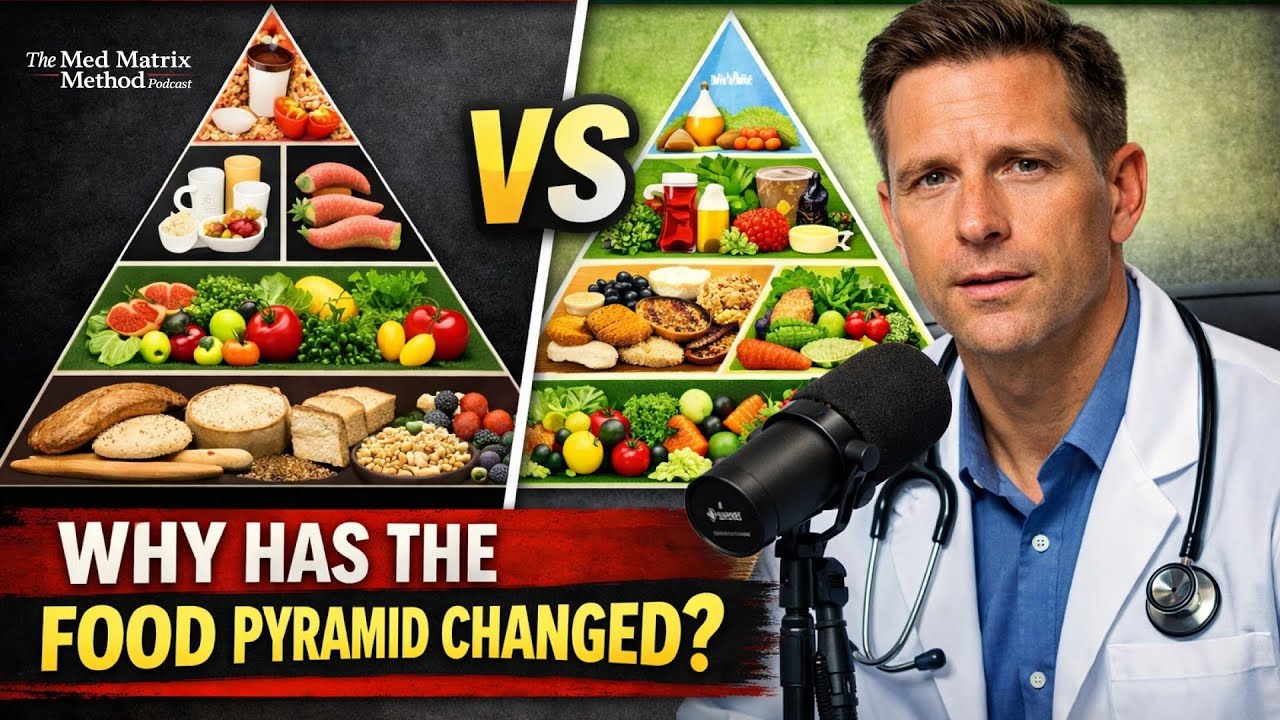
📊🥦 Why has the food pyramid changed, and how does it impact the way we eat today?
In this informative conversation, functional medicine practioner Dr. Colin Renaud explores the history and evolution of the food pyramid, comparing the traditional model to newer nutritional frameworks and discussing how these shifts align with modern health priorities.
You’ll learn:
✅ How the original food pyramid was developed
✅ Key updates in the latest dietary guidelines
✅ What the new model emphasizes — and why
✅ How functional medicine approaches nutrition differently
✅ Tips for building a balanced, nutrient-dense plate
✅ How to tailor your eating for energy, digestion, and overall wellness
Whether you’re interested in optimizing your diet, understanding nutrition science, or exploring how food choices influence long-term health, this video offers practical insights rooted in both conventional and functional medicine perspectives.
🎯 This video is for those tired of hearing “your labs are normal” while continuing to feel anything but. Get real answers, real science, and real strategies for long-term health and vitality.
At Med Matrix, we help adults uncover the root causes of their symptoms and build personalized health plans to restore energy, enhance mood, and support immune function naturally.
Our care integrates cutting-edge functional lab testing 🧪 with individualized treatment plans to optimize health outcomes—whether you’re dealing with chronic illness, unexplained symptoms, or simply want to thrive 💪😴.
🧬 For more on functional medicine, natural hormone therapy, and biohacking, make sure to like and subscribe.
👉 Book your Functional Medicine Mood & Energy Assessment with Med Matrix today: www.medmatrixusa.com
⚠️ This video is educational and not medical advice!
Credit
Host: Cole Siefer
FAQ
1. What is the biggest change in the updated 2026 US food pyramid?
The biggest change is that the food pyramid is now inverted, meaning the most nutrient-dense foods like protein, healthy fats, fruits, and vegetables are emphasized at the top, while grains and refined carbohydrates are pushed to the bottom as foods to limit rather than prioritize.
2. Why were grains and bread moved to the bottom of the food pyramid?
Grains and breads were moved down because they are less nutrient-dense and can contribute to blood sugar spikes and metabolic stress when consumed as dietary staples instead of occasional foods.
3. Why does the updated food pyramid emphasize protein at every meal?
Protein is emphasized because it plays a critical role in hormone regulation, muscle maintenance, metabolic health, and sustained energy, all of which are commonly overlooked in standard American diets.
4. Why was alcohol removed entirely from the 2026 food pyramid?
Alcohol was removed because it does not provide nutritional benefit and is increasingly linked to inflammation, hormonal disruption, and long-term health risks even at moderate intake levels.
5. Why is dairy considered controversial in the updated food pyramid?
Dairy is controversial because many adults lose the enzymes needed to digest it after infancy, which can lead to inflammation, skin issues, digestive symptoms, and immune activation in susceptible individuals.
6. Is raw milk actually healthier than pasteurized milk?
While raw milk contains nutrients, it also carries a higher risk of bacterial contamination, and it does not offer unique health benefits that cannot be obtained safely from other whole food sources.
7. Why does dairy commonly worsen acne and inflammatory skin conditions?
Dairy can influence hormone signaling and inflammatory pathways that contribute to acne, eczema, and psoriasis, making it a common trigger for chronic skin conditions in adults.
8. Are butter and saturated fats actually unhealthy?
Saturated fats like butter are tolerated differently depending on the individual, their metabolic health, and overall diet quality, which is why blanket recommendations often fail to reflect real-world responses.
9. Why are seed oils and ultra-processed foods a bigger concern than fat intake?
Ultra-processed foods and industrial seed oils are more strongly associated with chronic inflammation and metabolic disease than naturally occurring fats found in whole foods.
10. Why do functional medicine providers often recommend mold-free coffee?
Coffee beans are prone to mold contamination during growing and storage, and regular exposure to mold can contribute to inflammation, fatigue, and immune stress in sensitive individuals.
11. Why can fruit raise blood sugar even though it’s considered healthy?
Certain fruits have a high glycemic impact and can spike blood sugar when eaten alone, especially without protein or fat to slow glucose absorption.
12. Which fruits are lowest on the glycemic index?
Berries such as blueberries, strawberries, raspberries, and blackberries are lower on the glycemic index and provide high antioxidant and nutrient content with less blood sugar disruption.
13. Why is cereal or toast considered an inadequate breakfast?
Cereal and toast lack sufficient protein and nutrient density, which can lead to poor blood sugar control, hormonal imbalance, and low energy throughout the day.
14. Why are eggs considered one of the most complete foods?
Eggs contain essential amino acids, healthy fats, vitamins, and minerals that support hormone production, brain function, immune health, and overall cellular repair.
15. Why is aggressive cholesterol lowering now being questioned?
New large-scale research suggests that excessively low cholesterol may be associated with higher risks of cardiovascular disease, cognitive decline, and mortality, challenging decades of conventional guidance.