Show Notes
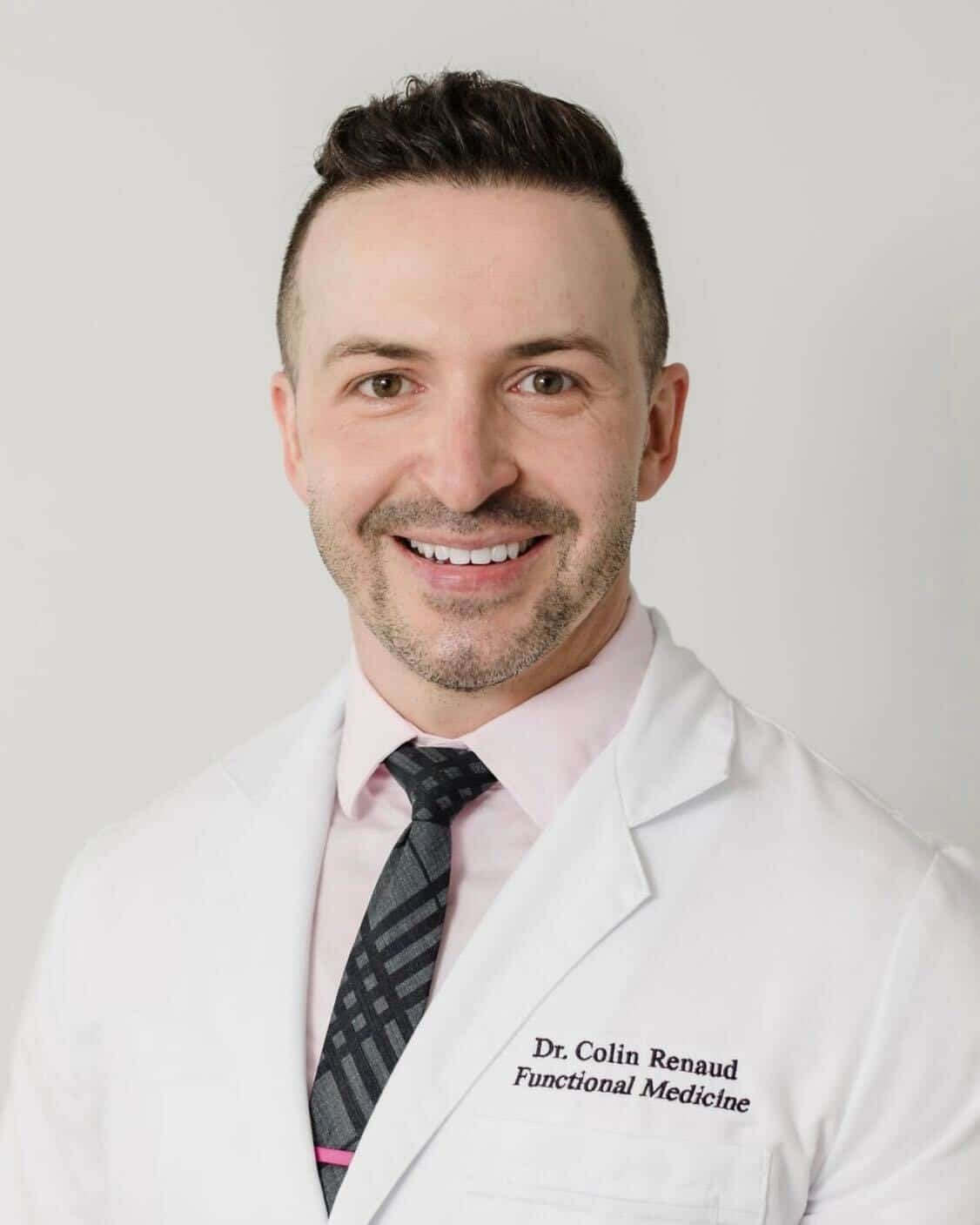
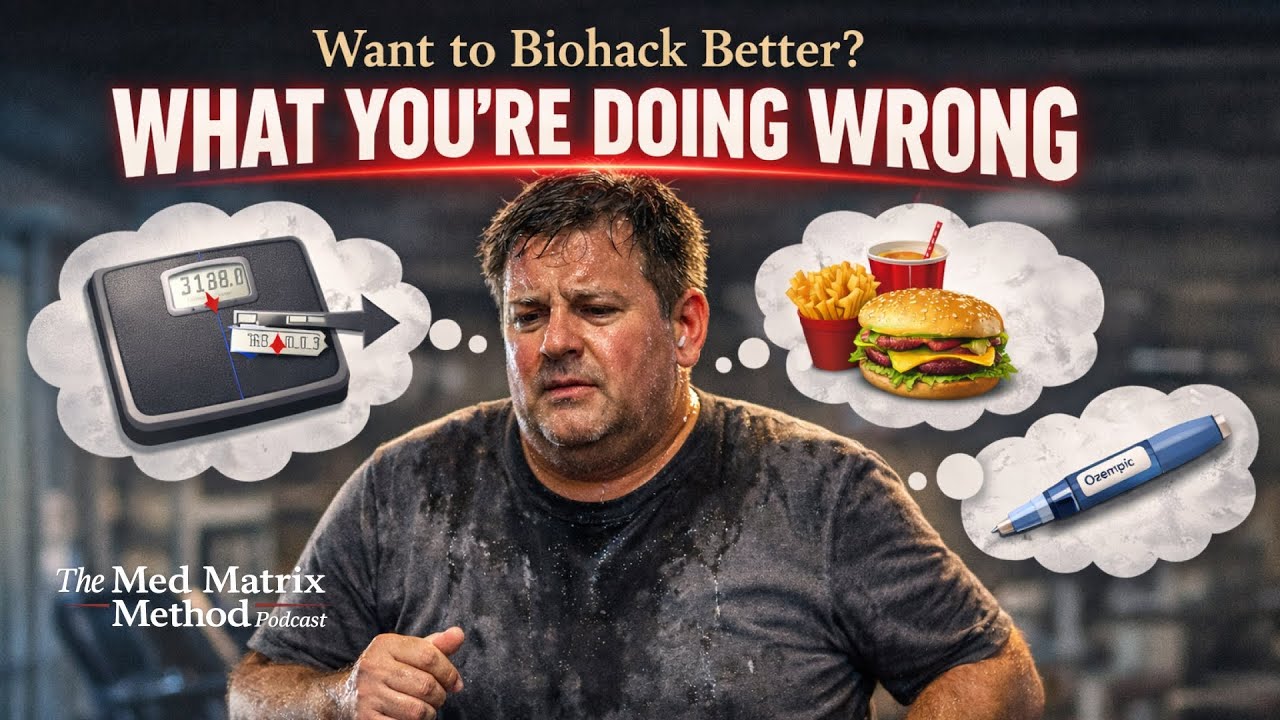
In this 🔥 must-watch 30-minute video, board-certified Functional Medicine practitioner, Dr. Colin Renaud, reveals the truth about biohacking and big myths in the wellness world.
Find out what biohacking really is and it’s relationship with the root-cause approach of Functional Medicine?
🏃♂️ Find out why cardio alone won’t help you lose weight and what actually works when it comes to fat loss, energy, and resilience.
🌿 Learn the key difference between biohacking and Functional Medicine—where one targets isolated symptoms, the other unlocks whole-body healing using advanced diagnostics, personalized protocols, and lifestyle optimization.
This is an educational deep-dive designed for those who are tired of “normal” labs but still don’t feel well—and want real answers backed by clinical insight.
At Med Matrix, we help adults who are tired of being told their labs are “normal” while continuing to experience very not normal symptoms.
Our care combines advanced functional lab testing with a customized plan to restore energy, mental clarity, deep sleep, and long-term resilience.
👉 Book your Functional Medicine Mood & Energy Assessment with Med Matrix today: www.medmatrixusa.com
⚠️ This video is educational and not medical advice!
Credit
Host: Cole Siefer
FAQ
1. Why does cutting calories and doing more cardio often stall weight loss over time?
Prolonged calorie restriction causes the body to perceive starvation and conserve energy by storing fat. Over time, metabolism slows, fat loss stalls, and many people experience plateaus or regain weight despite continued effort.
2. Why doesn’t cardio alone trigger meaningful fat loss?
Cardio does not create the hormonal signals needed for sustained fat burning. Resistance training activates muscle metabolism, which increases resting energy expenditure and improves the body’s ability to burn fat long term.
3. How does under-eating actually contribute to fat gain?
When calorie intake stays below basic metabolic needs, the body prioritizes survival. Incoming calories are stored as fat because the body expects future food scarcity.
4. Why is protein intake important for both men and women, not just athletes?
Protein is required for muscle maintenance, metabolic health, and hormone production. Inadequate protein intake can slow metabolism, worsen fatigue, and make fat loss more difficult regardless of age or gender.
5. How does poor sleep prevent health optimization even with good diet and exercise?
Sleep regulates hormone balance, recovery, and metabolic function. Chronic sleep deprivation disrupts these systems, making it extremely difficult to lose weight, build muscle, or maintain energy.
6. Why does MedMatrix emphasize lab testing before recommending biohacking tools?
Lab testing reveals nutrient deficiencies, hormone imbalances, and metabolic risks that are not visible from symptoms alone. Addressing these foundational issues first leads to safer and more effective optimization.
7. What’s the downside of using IV bars or injections without medical oversight?
These treatments are not personalized to individual lab values, medical history, or goals. While they may offer short-term symptom relief, they do not address underlying causes or support long-term health outcomes.
8. Why is personalized care more effective than standardized wellness protocols?
Each patient has unique biology, deficiencies, and health goals. Personalized care accounts for these differences, whereas standardized protocols often overlook key factors that limit results.
9. What biomarkers are commonly overlooked in conventional weight loss care?
Hormones, vitamin D levels, thyroid function, nutrient deficiencies, and advanced cardiac risk markers are often not assessed. These biomarkers strongly influence metabolism, energy, and weight regulation.
10. Why do hormone imbalances affect motivation and consistency with lifestyle changes?
Night-shift work, chronic stress, multiple jobs, limited access to quality food, poor sleep, and lack of exercise time can all restrict how much testosterone can improve naturally—even with good intentions.
11. How quickly can patients start feeling better after addressing nutrient deficiencies?
Some patients notice improvements within days. Correcting significant deficiencies can rapidly improve sleep quality, mental clarity, and overall energy.
12. What timeline should patients expect for hormone optimization results?
Early improvements may occur within weeks, but full benefits often take several months. Long-standing imbalances require time for the body to fully respond and stabilize.
13. Why do foundational changes come before peptides or advanced biohacking tools?
Advanced therapies rely on proper nutrition, sleep, and metabolic function. Without these foundations, higher-level interventions are less effective and may not produce lasting results.
14. What mistakes most commonly delay results when trying to optimize health?
Chronic under-eating, excessive cardio, inadequate sleep, and skipping comprehensive lab evaluation are common barriers that prevent meaningful progress.
15. When might intermittent fasting be appropriate instead of forcing breakfast?
Intermittent fasting may benefit individuals with low morning appetite or cortisol imbalance. It must be structured carefully to ensure adequate total calorie and protein intake.