Show Notes
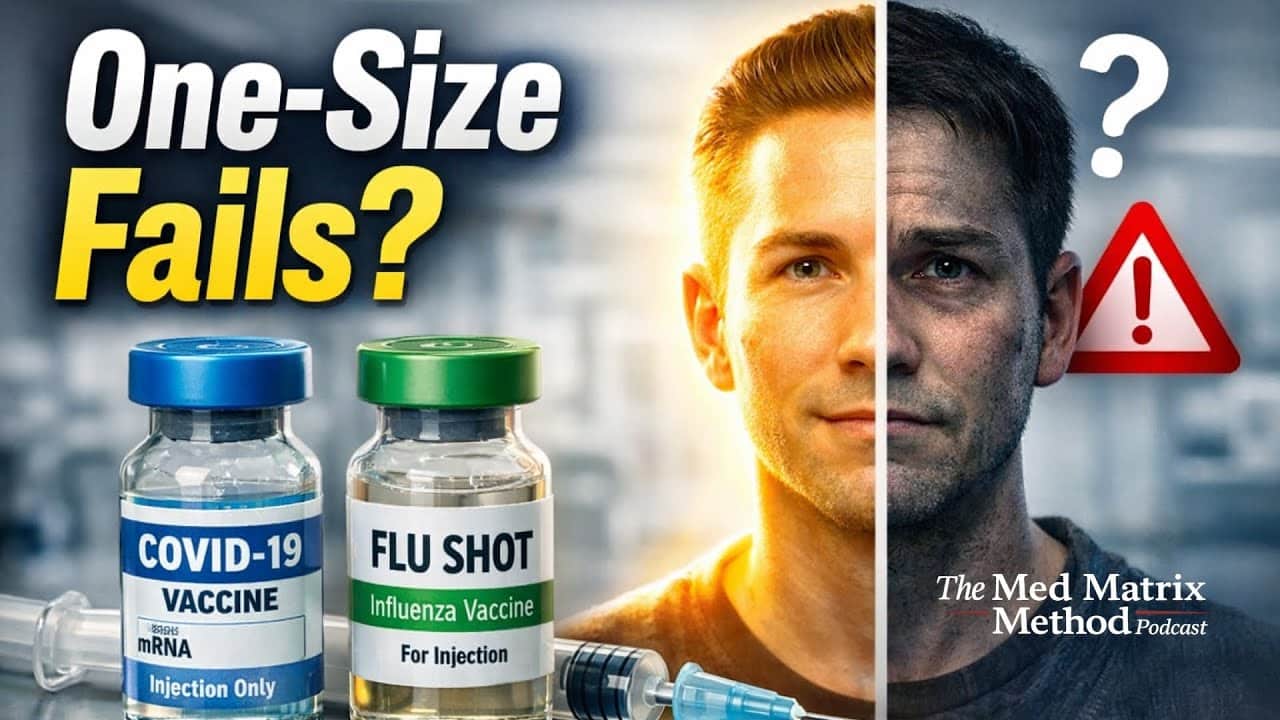
💉 Why are vaccines so controversial—and are they all really necessary?
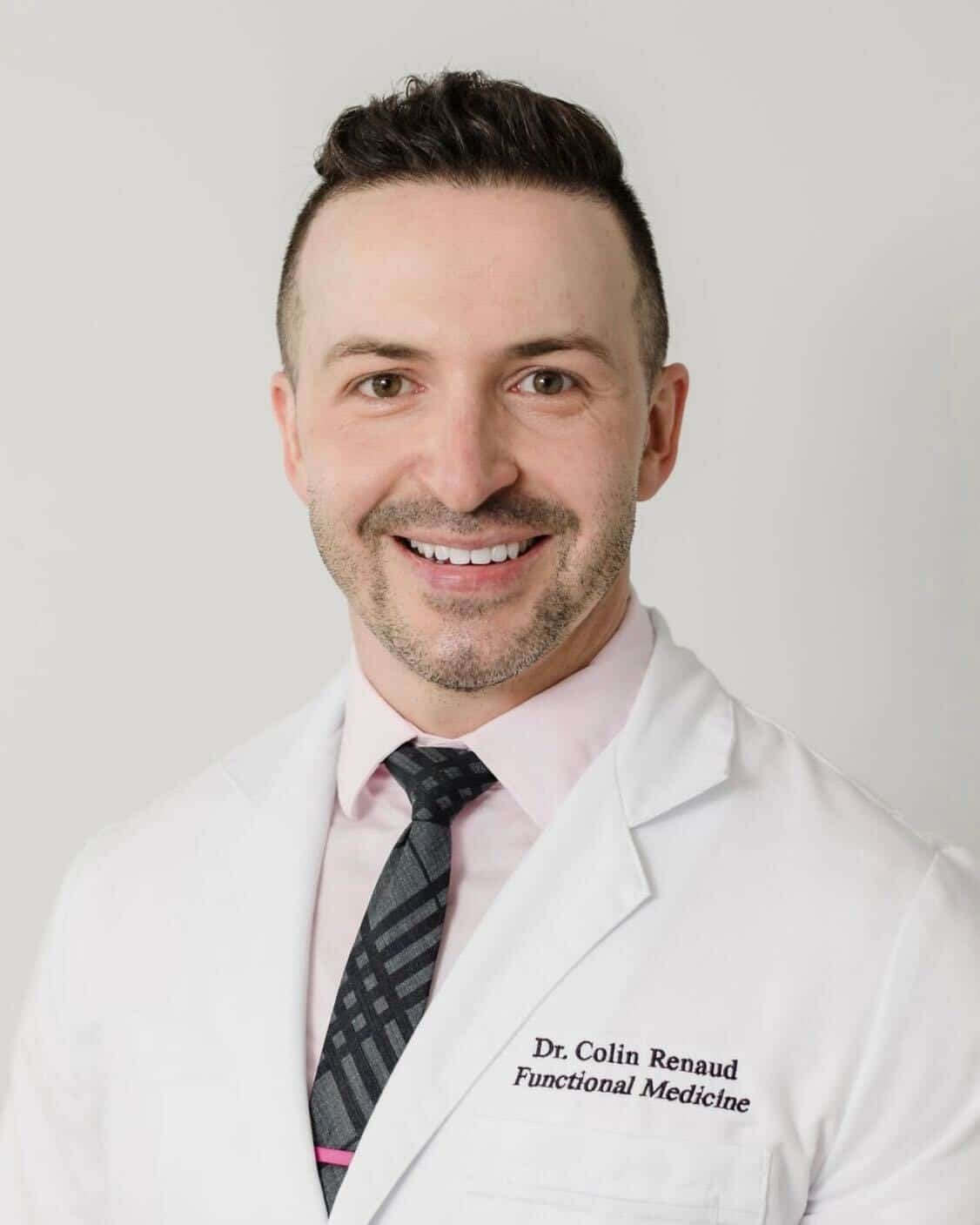
In this thought-provoking podcast clip 🎙️, functional medicine practitioner Dr. Colin Renaud explores the vaccine controversy through the lens of integrative and personalized healthcare.
Discover why some vaccines may be unnecessary for certain individuals, who genuinely benefits from immunization, and how standardized vaccine schedules often overlook key bio-individual factors 🧬.
Dr. Renaud brings a functional medicine approach to the vaccine conversation—grounded in root cause analysis, patient-centered care, and clinical experience. If you’re someone who questions conventional health narratives or feels frustrated by one-size-fits-all recommendations 🤔, this is the educational deep-dive you’ve been waiting for.
Learn how functional medicine challenges mainstream healthcare by focusing on comprehensive lab testing, lifestyle-driven protocols, and uncovering hidden imbalances contributing to symptoms like fatigue, brain fog, poor immunity, and more 🧠⚡.
🎯 This video is for those tired of hearing “your labs are normal” while continuing to feel anything but. Get real answers, real science, and real strategies for long-term health and vitality.
At Med Matrix, we help adults uncover the root causes of their symptoms and build personalized health plans to restore energy, enhance mood, and support immune function naturally.
Our care integrates cutting-edge functional lab testing 🧪 with individualized treatment plans to optimize health outcomes—whether you’re dealing with chronic illness, unexplained symptoms, or simply want to thrive 💪😴.
👉 Book your Functional Medicine Mood & Energy Assessment with Med Matrix today: www.medmatrixusa.com
⚠️ This video is educational and not medical advice!
Credit
Host: Cole Siefer
FAQ
1. What are vaccines and how do they work in the body?
Vaccines work by exposing the immune system to a weakened, inactive, or partial component of a pathogen. This allows the body to produce immune cells and antibodies so it can recognize and respond more effectively if it encounters the actual infection in the future.
2. Are vaccines considered entirely good or entirely bad?
Vaccines are neither universally good nor universally bad. They have significantly reduced serious illness worldwide, but individual responses vary. From a functional medicine perspective, vaccine decisions should be individualized based on health history, immune status, and overall risk.
3. Why do some people feel unwell after receiving a vaccine?
Some individuals experience symptoms after vaccination due to immune system activation, underlying inflammation, nutrient deficiencies, or immune dysregulation. These responses vary widely and are influenced by a person’s baseline health at the time of vaccination.
4. When might a vaccine be more appropriate for someone?
Vaccines may be more appropriate for individuals who are elderly, immunocompromised, healthcare workers, or at higher risk of severe complications from infection. In these cases, the potential benefit may outweigh the potential risk.
5. When might vaccines require more careful consideration?
Vaccines may require additional consideration for individuals with autoimmune conditions, mast cell activation, chronic inflammation, cancer, undernutrition, or significant immune dysfunction. In these cases, readiness and timing matter.
6. What is the difference between long COVID and vaccine-related symptoms?
Clinically, they can appear very similar. Both may involve chronic fatigue, brain fog, reduced endurance, and immune dysregulation. The difference is how the immune response was triggered either by infection or vaccination.
7. What is believed to cause long COVID symptoms?
Long COVID may involve persistent immune activation, dysregulation of the innate immune system, or residual viral components such as spike protein remaining in the body after infection. Research is ongoing to better understand these mechanisms.
8. Why can even very healthy people develop long COVID or prolonged symptoms?
Some individuals may have unrecognized immune, genetic, inflammatory, or toxin-related vulnerabilities. These issues may not cause symptoms until a major immune stressor reveals them.
9. How does MedMatrix approach recovery from long COVID or vaccine-related symptoms?
The approach begins with optimizing foundational health factors such as nutrient status, gut health, hormone balance, and immune regulation. Care is personalized and adjusted based on symptom severity and individual testing.
10. Why is gut health important for immune function?
Approximately 70–80% of immune cells reside in the gut. Poor gut health can impair immune regulation, making it harder for the body to recover from infections or immune stressors.
11. Why might “normal” lab values still not be optimal for recovery?
Reference ranges indicate population averages, not optimal levels. Individuals recovering from chronic immune stress may require higher nutrient levels to support healing and immune balance.
12. Why is hepatitis B vaccination in newborns controversial?
Hepatitis B is most commonly transmitted through sexual contact or needle exposure, which raises questions about routine newborn vaccination. While transmission during childbirth is possible, some clinicians favor increased maternal screening and individualized decision-making.
13. Why can giving many vaccines early in life raise concerns?
Newborn immune systems are still developing. Introducing multiple immune stressors at once may overwhelm immune regulation in some children, particularly if other factors like nutrition or toxin exposure are present.
14. Can early immune stress theoretically affect long-term health?
Theoretically, early immune disruption could influence immune balance later in life, potentially increasing susceptibility to autoimmune or inflammatory conditions. However, definitive cause-and-effect relationships are difficult to prove.
15. When might the flu vaccine be more appropriate?
The flu vaccine may be more appropriate for elderly individuals, healthcare workers, caregivers, or those with chronic illness, where flu complications carry higher risk.
16. Who may benefit from a more personalized approach to vaccines?
Individuals with chronic illness, immune dysfunction, inflammatory conditions, or complex health histories often benefit from individualized risk–benefit discussions rather than one-size-fits-all recommendations.