

Testosterone Replacement Therapy in South Freeport, Maine
Med Matrix is a TRT clinic offering testosterone replacement therapy for South Freeport men. South Freeport sits on the Harraseeket River where Casco Bay opens up, a quiet harbor village of Greek Revival homes, working boatyards, and the old Casco Castle tower watching over the water. It is a small place, and men here are used to driving for the things that matter. From the village down to the Maine Mall area in South Portland is about a 25 minute run, mostly on I-295. At Med Matrix, we make that drive count: real lab work, a real plan, and a TRT program built around your numbers, not a guess.
Med Matrix offers testosterone replacement therapy, ED treatment, medical weight loss, peptide therapy, hair loss treatment, and fatigue treatment for South Freeport patients. Same-day labs. No insurance needed.
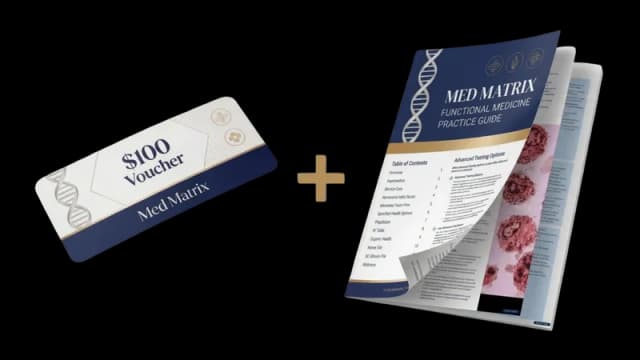
Your first visit includes a $100 voucher. Prefer to read first? Get the free practice guide.
Hours
Stop Guessing, Start Testing
TRT for South Freeport Men, Built on Your Actual Bloodwork
If you live near the harbor in South Freeport or out toward Wolfe's Neck, you already know the routine: most of the things you need, from real groceries to specialty care, sit down the road in the Portland area. Testosterone replacement therapy is the same. There is no shortcut clinic in the village, and that is fine, because low testosterone is not something you want handled by guesswork. The symptoms men come to us with are familiar: energy that drops off by early afternoon, a libido that has quietly faded, brain fog that makes simple work feel heavier than it should, and strength that slips even when you are still putting in the effort.
We start by measuring, not assuming. That means total and free testosterone, plus the surrounding markers that explain why your levels are where they are. Our advanced testing panel looks at the full hormonal picture so we can tell the difference between true low testosterone and something else wearing the same symptoms. From there, if TRT is the right call, we build a protocol around your readings and follow it with regular rechecks. The 25 minute drive down I-295 from South Freeport buys you a program run by a medical team, not a vending machine.

Inside Med Matrix
Everything Under One Roof
Advanced testing, personalized protocols, and real results from a team that treats the whole picture.
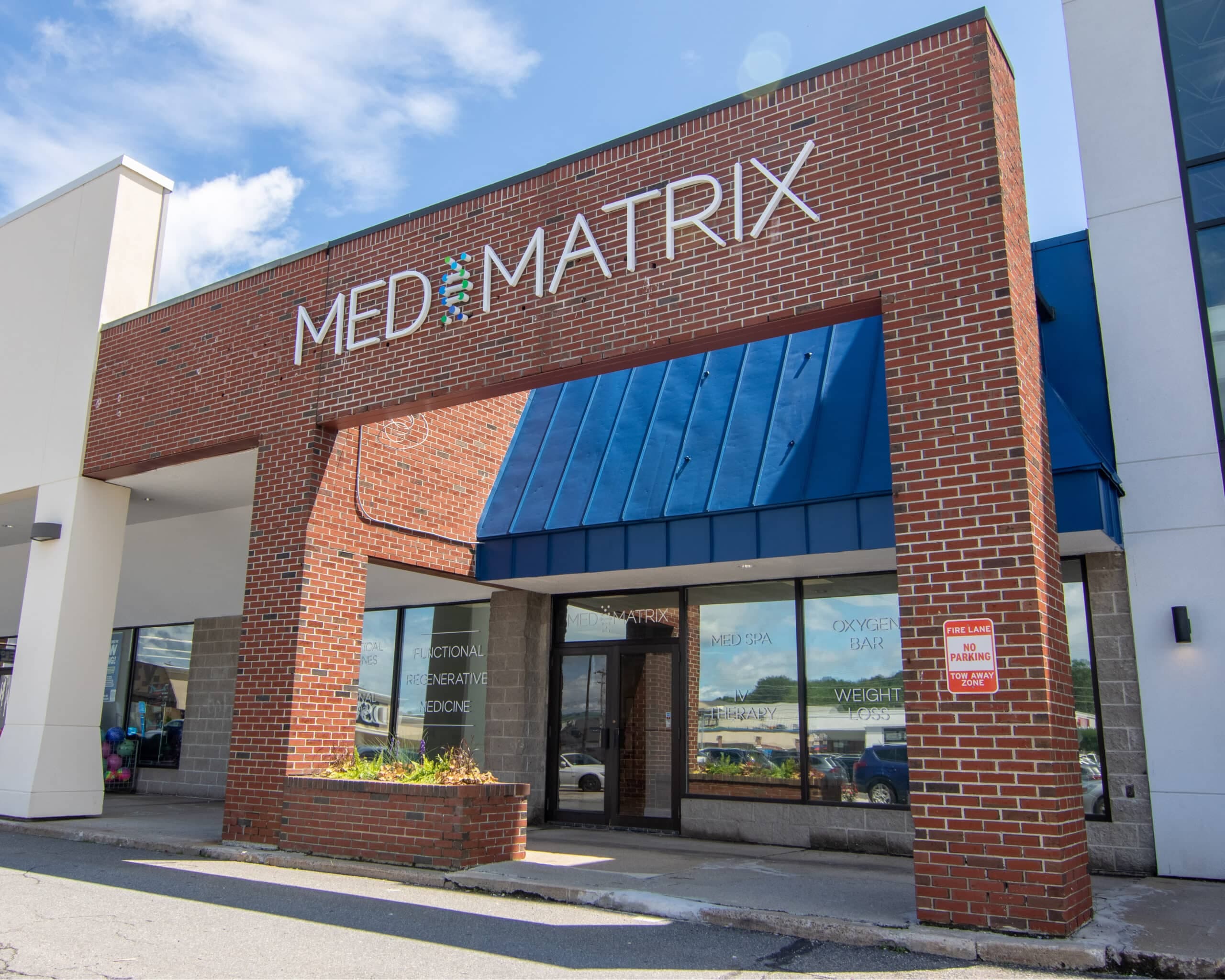
Built Around Your Biology
Why South Freeport Men Make the Drive to South Portland
South Freeport has always been a place where people travel for what counts. For three hundred years this was Freeport's harbor and shipbuilding center, and the men who lived here thought nothing of going where the work and the goods were. Today that still holds. The village itself is residential and maritime, so most medical care happens closer to the Maine Mall, and TRT is no exception.
Med Matrix is a functional medicine clinic at 198 Maine Mall Road in South Portland, an easy 25 minute drive from the South Freeport harbor down I-295. We have worked with more than 3,000 patients, with 190+ reviews at 4.8 stars. Founder Cole Siefer built the practice around one idea: that men should understand exactly what their bloodwork shows and exactly what the plan is to fix it. When you are ready to start feeling like yourself again, that drive down the interstate is the only part that is complicated.

Clinical Standards
Where Your Providers Train
Functional medicine isn't taught in medical school. Our providers invest years of additional training with the institutions that built this field.

Institute for Functional Medicine(IFM)
The academic home of functional medicine. Its certification requires advanced training in hormonal, immune, gastrointestinal, and neuroendocrine systems. A Med Matrix provider holds this certification, and others have completed IFM clinical training.
Your provider sees how your hormones, gut, immune system, and metabolism connect, not just isolated symptoms.

Seeds Scientific Research & Performance(SSRP)
Clinical training in hormone dosing, advanced lab interpretation, and peptide protocols. Where textbook medicine gets translated into treatment plans that show measurable change inside 90 days.
Your protocol is built on real clinical training, not a one-size-fits-all template.

American Academy of Anti-Aging Medicine(A4M)
The largest training body for age-management and longevity medicine. Fellowship and board certification cover hormone replacement, peptide therapy, metabolic medicine, and regenerative therapies.
Your care team trains with the organization that sets the clinical standard for longevity medicine.
See the full credentials and training history of every provider in our free practice guide.
Your Hormones Over Time
What Happens to a Man’s Testosterone as He Ages
Total testosterone, free testosterone, and DHEA all start declining in your 30s. Most men have been losing ground for years before the symptoms get obvious enough to act on.
Illustrative pattern of natural hormone change across a man's lifespan. Individual labs vary.
We use bioidentical testosterone. That means the molecular structure matches what your body already makes, so your cells recognize and use it the way they were built to. Synthetic alternatives behave differently. Your body knows the difference.
Most protocols involve testosterone combined with monitoring of estradiol, SHBG, hematocrit, and PSA. Free testosterone matters more than total, and most conventional providers never test it. Low free T drives the drop in energy, drive, recovery, and body composition that most men assume is just part of getting older.
Our practice guide covers exactly how we approach men’s TRT, including delivery options, lab monitoring, and what to expect in the first 90 days. Get your free copy.
How Your TRT Protocol Is Built
Testosterone replacement therapy at Med Matrix starts with lab work, not a prescription. Your provider orders a panel covering total and free testosterone, estrogen, SHBG, thyroid markers, cortisol, and metabolic health indicators. That full picture determines whether TRT is the right move or whether something else is driving your symptoms.
If TRT is appropriate, most patients start with weekly testosterone cypionate injections. Your provider sets the dose based on your labs, not a standard template. Follow-up labs at 6 and 12 weeks confirm your levels are responding. Estrogen management is built into the protocol from the start, not added after problems show up.
Once stable, most patients come in about twice a year for check-ins and lab reviews. Between visits, your care team is available if something feels off.
Lab Markers We Track During TRT
A standard testosterone test checks one number. Our panel runs over 80 biomarkers because testosterone does not exist in isolation. Here is what your provider is looking at and why it matters for South Freeport patients considering TRT:
- Total and free testosterone show how much testosterone your body produces and how much is available to use.
- Estradiol (E2) tracks estrogen levels. When testosterone is supplemented, some converts to estrogen. Your provider monitors this to prevent side effects.
- SHBG (sex hormone binding globulin) binds testosterone and makes it unavailable. High SHBG can explain why your total testosterone looks normal but you still feel off.
- Thyroid panel (TSH, free T3, free T4) catches thyroid dysfunction that mimics low testosterone symptoms like fatigue and weight gain.
- Fasting insulin and HbA1c flag insulin resistance, which directly suppresses testosterone production.
- CBC and hematocrit are monitored during TRT because testosterone can increase red blood cell production.
This level of testing is why patients drive from South Freeport to work with our team. The labs tell the full story, and your provider builds your protocol from that story.
When We Go Deeper
Advanced Testing for Men's Hormone Health
When your standard panel points to something that needs further investigation, we have the tools to go deeper. These advanced tests are not part of every patient's protocol. They are available when your provider needs more information to build the right plan.
DUTCH Complete
What it measures: Dried urine panel of every sex hormone metabolite plus cortisol rhythm.
Why we use it: Serum hormones are a snapshot. DUTCH shows the full metabolic picture over a day, including how you process hormones and whether your stress system is burning out.
Cardiovascular & Longevity Markers
What it measures: Advanced cardiac panel with Apo-B, Lp(a), and oxidized LDL.
Why we use it: Standard lipid panels miss the markers that actually predict cardiac events. This panel catches risk years earlier.
Genetic & Methylation Analysis
What it measures: SNPs affecting methylation, detox capacity, hormone metabolism, and nutrient needs.
Why we use it: Your genes tell us which interventions will work for your biology and which ones won't. MTHFR, COMT, VDR, and others change how you should be supplemented.
Neurotransmitter Panel
What it measures: Urinary markers for serotonin, dopamine, GABA, and their precursors.
Why we use it: Before trying another approach, we see whether the raw material is actually there. Low precursors explain a lot of mood and focus issues.
Our practice guide includes the full catalog of advanced testing options with detailed descriptions of what each one measures. Get your free copy.
Serving South Freeport, Maine
Take the First Step
Get your free practice guide and a $100 voucher toward your first visit. No commitment required.

Free Practice Guide + $100 Voucher
Everything you need before your first visit
STEP 1 OF 3
Enter your email to get instant access
We only accept a limited number of patients per week
Related Services to Testosterone Replacement Therapy
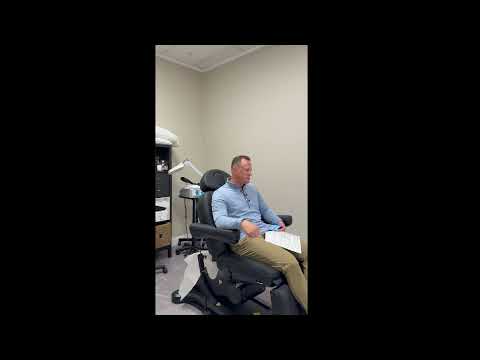
“My old level was really probably closer to my baseline. And if you take that and cut it in half, even though my half was still in what medical professionals say is an acceptable range, that's not necessarily what's acceptable for my body.”
Ryan: Why 'Normal Range' Wasn't Normal for Him
Watch at 2:35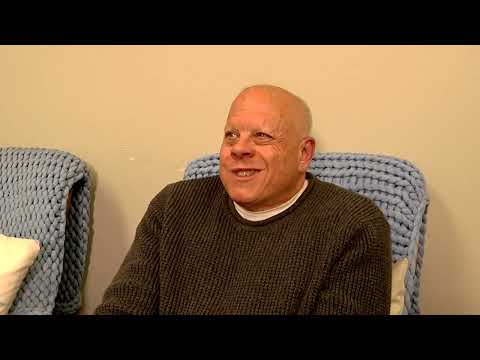
“I am less fatigued. I am more resilient. And I am not getting nearly as beaten up by the job as it often does.”
Jonathan: Nurse on TRT, More Energy and Lean Muscle
Watch at 0:00The Med Matrix Podcast
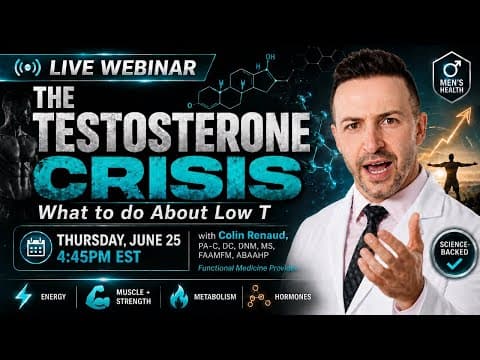
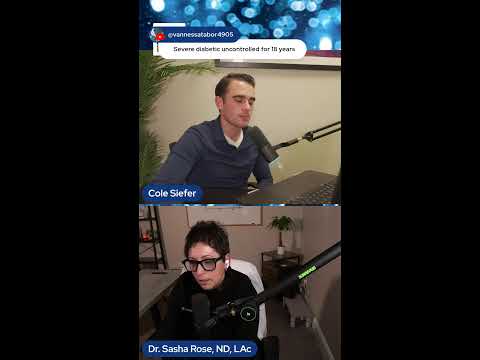
Insights from Our Podcast
Our providers break down the science behind your health concerns and what you can do about them.

EXPLORE
Related Content
Read more about testosterone replacement therapy from our team.



The Med Matrix Process
How It Works
Your path to feeling like yourself again, step by step.
Discovery Call
Free consultation
Biomarker Test
80+ markers
Team Review
Full analysis
Consultation
60 minutes
Ongoing Support
Continuous care
Free Discovery Call
- Talk with our patient coordinator about your goals, symptoms, and concerns
- Understand your options and what to expect
- Get matched with the right provider for your needs
Result: A clear next step personalized to your situation, with no pressure or commitment.
80+ Biomarker Test & Full Body Scan
- Comprehensive panel of 80+ lab markers
- Full body composition scan
- In-depth health questionnaires
Result: A complete picture of your health, so nothing gets missed.
Medical Team Reviews Everything
- Providers review your labs, medical history, and questionnaires
- Cross-reference symptoms with biomarker patterns
- Identify root causes, not just surface symptoms
Result: A personalized treatment plan built from real data, not guesswork.
60-Minute Provider Consultation
- Sit down with your provider for a full hour
- Go over every result in detail
- Build your personalized plan together
Result: You leave with a clear understanding of what is happening and exactly what to do about it.
Ongoing Support & Progress
- Continued monitoring of your labs and markers
- Adjustments to your plan as your body responds
- Direct access to your care team
Result: Real, measurable progress you can feel and see in your numbers.
Visit Our Clinic
Med Matrix - Functional Medicine and Medspa
Hours
Mon: 7:00 AM - 4:00 PM
Tue: 7:00 AM - 5:00 PM
Wed: 7:00 AM - 4:00 PM
Thu: 7:00 AM - 5:00 PM
Fri: 7:00 AM - 3:00 PM
Sat: Closed
Sun: Closed
FAQ
Testosterone Replacement Therapy in South Freeport
Common questions about testosterone replacement therapy near South Freeport, Maine.
It is about a 25 minute drive from the South Freeport harbor area to our clinic at 198 Maine Mall Road in South Portland. Most of the trip is a straight run down I-295. You can reach us at (207) 544-4643 to set up a first visit.
The most common signs men notice are persistent low energy, reduced libido, brain fog, and a loss of strength or muscle even when training stays the same. These symptoms overlap with other conditions, which is why we never diagnose low testosterone on symptoms alone. We confirm it with bloodwork first. You can review what we measure on our testosterone replacement therapy page.
South Freeport is a small harbor village without a dedicated hormone clinic, so men here come to our South Portland office, about 25 minutes away by car. The trip is worth it because real TRT depends on accurate labs and ongoing monitoring, both of which we handle on site. We make the visit efficient so the drive is the only inconvenience.
Before any man starts testosterone, we run a full panel that includes total and free testosterone along with the related markers that explain your levels. This tells us whether TRT is appropriate and what your starting point is, so the protocol is built on your real numbers rather than a guess.
Yes. We do not hand you a protocol and disappear. After you start, we recheck your bloodwork on a regular schedule and adjust the plan as your body responds. With more than 3,000 patients treated, ongoing monitoring is a core part of how we run TRT, not an afterthought.
No. After your initial onboarding, most TRT patients settle into check-ins about twice a year. Between visits, your provider monitors labs and adjusts your protocol as needed. The initial visit and follow-up labs require in-person visits.
TRT uses pharmaceutical-grade testosterone cypionate prescribed based on your lab results. Over-the-counter supplements contain ingredients like ashwagandha or D-aspartic acid that may support general health but do not raise testosterone to therapeutic levels. If your labs show clinical deficiency, supplements will not fix it.
Your Health, Your Terms
Start Feeling Like Yourself Again
Book your first visit and get a $100 voucher. Your first step toward real answers starts here.