
Functional Medicine
Lyme Disease Treatment
You got a tick bite. You were treated for Lyme. The antibiotics are done. But you still feel terrible. Fatigue, joint pain, brain fog, neurological symptoms. Standard testing misses chronic Lyme and co-infections. We use advanced diagnostics to find what's still driving your symptoms.

On This Page
- 01Why Lyme Disease Gets Missed So Often
- 02How We Test for Lyme and Co-Infections
- 03Treatment: Beyond Just Antibiotics
- 04What Are the Symptoms of Lyme Disease?
- 05Can Lyme Disease Come Back After Treatment?
- 06Why Do Lyme Symptoms Persist After Antibiotics?
- 07Common Symptoms We See
- 08Real Patients, Real Results
- 09What We Test for This Condition
- 10Frequently Asked Questions
On This Page
- 01Why Lyme Disease Gets Missed So Often
- 02How We Test for Lyme and Co-Infections
- 03Treatment: Beyond Just Antibiotics
- 04What Are the Symptoms of Lyme Disease?
- 05Can Lyme Disease Come Back After Treatment?
- 06Why Do Lyme Symptoms Persist After Antibiotics?
- 07Common Symptoms We See
- 08Real Patients, Real Results
- 09What We Test for This Condition
- 10Frequently Asked Questions
Why Lyme Disease Gets Missed So Often
Lyme disease is a bacterial infection caused by Borrelia burgdorferi, a spirochete transmitted by infected blacklegged (deer) ticks. It is the most common tick-borne disease in the northeastern United States, and in Maine and New Hampshire, it's endemic. The Centers for Disease Control and Prevention estimates that cases of Lyme disease far exceed official reporting numbers, partly because standard lyme disease tests miss a significant portion of active infections. You probably know someone who's had it. What most people don't know is how often it gets missed, misdiagnosed, or inadequately treated.
Early symptoms of Lyme disease include fever, fatigue, headache, muscle and joint aches, and swollen lymph nodes. A bullseye rash appears in some but not all cases. When early-stage Lyme disease is caught and treated promptly, most patients can recover rapidly and completely with a full course of oral antibiotics. The problem is that early-stage Lyme disease is frequently missed, and by the time symptoms become debilitating, the infection has progressed.
The standard diagnostic path looks like this: you go to urgent care or your primary care doctor. They run a Western blot or ELISA test. If it comes back negative, they tell you that you don't have Lyme. End of story.
Here's the problem. Borrelia burgdorferi uses multiple strategies to hide from your immune system. It can essentially make itself invisible to your body's immune response. Western blot and ELISA tests detect antibodies, which means they're looking for your immune system's reaction to the bacteria. If the bacteria is hiding and your immune system doesn't know it's there, the test comes back negative. But the infection is still present.
This is not speculation. It's well documented in the infectious disease literature. The spirochete evades and suppresses the host immune response. Our providers, including members of ILADS (International Lyme and Associated Diseases Society), have spoken at ILADS conferences on this exact issue. That ILADS training is what it means to work with a Lyme literate provider: someone who looks past a single negative antibody test to the co-infections and immune patterns standard care overlooks.
The other major problem is co-infections. Lyme is rarely just Lyme. Ticks carry multiple infections simultaneously. Bartonella is a bacterial co-infection transmissible by ticks, cats, dogs, and lice. Babesia is a blood parasite (not a bacteria) that requires completely different treatment than Lyme. Mycoplasma is another common co-infection. A standard Western blot tests for one species of Borrelia only. It misses all co-infections. It misses other Borrelia species. So even a positive result gives you an incomplete picture, and a negative result tells you almost nothing.
The most common way Lyme is transmitted is by nymph ticks. These are the baby ticks. They're roughly the size of a ballpoint pen dot on a piece of paper. If one attaches in your hair, behind your ear, or on your back, you may never know it was there. No tick bite memory. No bullseye rash (which is absent in many cases). Research also shows that a tick generally needs to be attached for more than 24 hours to transmit infection, which is why prompt tick checks and removal within 24 hours matter. But with nymph ticks, most people never find the tick at all. The result is a slow progression of symptoms over months or years: fatigue, brain fog, joint pain that migrates from place to place, neurological issues, anxiety, depression. And because the symptoms look like a dozen other conditions, patients get shuffled from specialist to specialist with no answers.
Inside Med Matrix
Everything Under One Roof
Advanced testing, personalized protocols, and real results from a team that treats the whole picture.

How We Test for Lyme and Co-Infections
The gold standard for Lyme diagnosis is not the Western blot. It's FISH testing (fluorescent microscopy). A blood smear is examined under a microscope by a specialized pathologist looking for the bacteria directly attached to red blood cells. This is the same type of microscopy analysis used in hospitals for pneumonia and sepsis. For some reason, it's almost never used for Lyme in conventional medicine.
FISH testing is available through specialized labs like Igenix and Tea Lab. It is expensive and not covered by insurance. But it provides answers that no antibody test can. And it can detect infection that's been present for decades, as long as the bacteria is still attached to the red blood cells.
For co-infections, we use separate testing panels for Bartonella, Babesia, Mycoplasma, and other tick-borne organisms. Because FISH technology is still advancing for all species, we sometimes use a combination of methodologies (PCR, antibody panels, and fluorescent microscopy) to build the most complete picture possible.
What we assess on your first visit:
- Roughly 80 biomarkers via blood panel (hormones, thyroid, inflammatory markers, nutrient levels, metabolic health)
- InBody 770 body composition scan
- Full health history with detailed symptom timeline
- Tick exposure history, geographic history, animal exposure
- History of prior Lyme treatment and response
- Not sure which of these applies to you?Talk it through on a free call with a patient coordinator.
When Lyme or tick-borne illness is suspected based on symptoms and history, your provider will recommend the appropriate advanced testing. Standard lyme disease tests like the Western blot are a starting point, but they are not the end of the diagnostic conversation. Sometimes the suspicion isn't immediate. Sometimes it emerges after other treatments haven't produced the expected results, and we dig deeper into the history. Some patients need months of working together before the full picture becomes clear. It's not always obvious on day one.
A portion of patients who complete antibiotic treatment for Lyme disease continue to have lingering symptoms. This is sometimes called post-treatment Lyme disease syndrome. The cause is debated in the research literature, but the experience is real: fatigue, joint pain, cognitive difficulty, and sleep disruption that persist long after the antibiotic course ends. Our approach addresses these ongoing symptoms rather than dismissing them as resolved.
If you've already been bitten by a tick and still have the tick, save it. Send it to a PCR testing lab. That gives the most valuable information about what infections it was carrying. If you get a tick bite and haven't started treatment, the evidence-based guidelines from ILADS support starting doxycycline promptly, before waiting for test results.
Treatment: Beyond Just Antibiotics
The conventional approach to Lyme is simple: a short course of doxycycline and you're done. For acute Lyme caught early after a tick bite, that often works. Patients who get treated promptly with oral antibiotics like doxycycline (21-plus days, not the two-day course some doctors prescribe) generally do well long term and can recover rapidly and completely. The treatment of Lyme disease at this early stage is straightforward, and antibiotic treatment is appropriate and effective.
Chronic Lyme is a different situation entirely. If the infection wasn't caught early, if antibiotic treatment was inadequate, if co-infections were missed, the picture becomes complex. Fatigue that won't lift. Joint pain that migrates. Brain fog that makes work impossible. Neurological symptoms. Patients describe it as an invisible illness. They look fine on the outside. Their physical exams are normal. But they can barely function. To treat Lyme at this stage requires far more than a repeat course of oral antibiotics.
Treatment for chronic tick-borne illness is personalized and often involves multiple tools working together.
- Pharmaceutical antibiotics. Doxycycline and other antibiotics have a role, but they're not always the answer. There's growing research showing that Borrelia can develop resistance during antibiotic treatment, emerging stronger when the course ends. Long-term antibiotic use also damages the gut microbiome, which creates its own set of problems for an immune system that's already struggling.
- Botanical antimicrobials. Studies have shown that certain herbal antibiotics used in combination have potent activity against multiple tick-borne infections, sometimes outperforming pharmaceutical antibiotics. These can be used alone or alongside pharmaceuticals depending on the patient's situation and tolerance.
- Immune support and hormone optimization. Chronic Lyme patients often have tanked cortisol, depleted sex hormones, thyroid dysfunction, and severe nutrient deficiencies. The infection has run the body ragged. Rebuilding the foundation (hormones, nutrition, sleep, stress management) is essential for the immune system to mount an effective response against the infection.
- IV therapies. Ozone therapy, IV nutrient support, and other IV-based treatments can support the body during treatment and recovery.
- Nervous system support. Many Lyme patients are stuck in chronic sympathetic overdrive (fight-or-flight mode). Addressing the nervous system through stress management, sleep optimization, and lifestyle changes is part of the recovery process.
Recovery from chronic Lyme is not a straight line. Our providers call it a "staggered linear progression." Two steps forward, one step back, three steps forward, two steps back. It's measured in months to years, not weeks. But patients who work with providers who understand the full picture do get better.
What Are the Symptoms of Lyme Disease?
Lyme disease symptoms depend entirely on how long the infection has been present and whether co-infections are involved. Early-stage Lyme (days to weeks after a tick bite) looks very different from chronic Lyme that's been building for months or years.
Early-stage symptoms can appear within 3 to 30 days of a tick bite: fever, chills, headache, fatigue, muscle and joint aches, and swollen lymph nodes. The bullseye rash (erythema migrans) is the hallmark sign, but it's absent in a significant percentage of cases. Many patients never see a rash at all. If early-stage Lyme is caught and treated promptly with a full course of oral antibiotics (at least 21 days per ILADS guidelines), most patients recover rapidly and completely.
Late-stage and chronic symptoms develop when early treatment was missed, inadequate, or when co-infections went undetected. This is where Lyme becomes debilitating and difficult to diagnose. The symptom list is long because the infection is systemic:
- Persistent fatigue that doesn't improve with rest
- Brain fog, memory problems, difficulty concentrating
- Joint pain that migrates (knee one week, shoulder the next)
- Neurological symptoms: numbness, tingling, facial nerve involvement
- Heart palpitations and cardiac involvement
- Anxiety, depression, and mood instability
- Sleep disruption (both falling and staying asleep)
- Muscle weakness and exercise intolerance
This symptom picture overlaps with chronic fatigue syndrome, fibromyalgia, multiple sclerosis, lupus, and depression. That overlap is exactly why chronic Lyme gets misdiagnosed so frequently. Patients spend years bouncing between specialists who each look at one piece without considering the whole. In Maine and New Hampshire, where tick-borne illness is endemic, Lyme should be on the differential for any patient presenting with multi-system symptoms that don't fit a single diagnosis.
Can Lyme Disease Come Back After Treatment?
Yes. And understanding why matters for anyone who's been treated for Lyme but still doesn't feel right.
There are two situations where symptoms return or persist after antibiotic treatment. The first is incomplete eradication. Research shows that Borrelia burgdorferi can form biofilms and persist in tissue despite antibiotic exposure. The bacteria essentially shields itself in a protective matrix that antibiotics can't fully penetrate. When treatment ends, the surviving organisms emerge and symptoms return. This is especially common with short courses of antibiotics (the 10 to 14 day courses some doctors prescribe, which fall far short of the 21-plus days recommended by ILADS).
The second is missed co-infections. A patient can clear Borrelia with doxycycline but still have untreated Babesia (a blood parasite that requires antiparasitic treatment, not antibiotics) or Bartonella (which needs a different antibiotic approach entirely). If the co-infections were never identified, symptoms persist and the patient is told they "already had treatment" and should be fine. They're not fine. They have a different infection that was never addressed.
Colin Renaud, PA-C, a member of ILADS who has spoken at ILADS conferences on Lyme diagnosis, puts it plainly: almost every Lyme patient he treats has co-infections. Giving doxycycline alone for a patient who also has Babesia won't work because Babesia is a parasite, not a bacteria.
For patients in this situation, the path forward starts with proper testing. Advanced diagnostics including FISH testing, co-infection panels, and a thorough symptom timeline can identify what's still driving symptoms. Then treatment is rebuilt around what's actually present, using the right combination of antimicrobials (pharmaceutical, botanical, or both) for each organism.
- FISH Testing (Fluorescent Microscopy)The gold standard for Lyme diagnosis. Examines blood smears under a microscope for bacteria attached to red blood cells. Detects infections that antibody tests miss.
- Bartonella PanelTests for the most common Lyme co-infection. Bartonella is also transmissible through cats, dogs, and lice. Requires different treatment than Borrelia.
- Babesia PanelBabesia is a blood parasite, not a bacteria. Antibiotics won't touch it. Requires antiparasitic treatment. Missed in standard Lyme testing.
Why Do Lyme Symptoms Persist After Antibiotics?
For some people treated for Lyme, symptoms like fatigue, brain fog, and joint pain persist after the antibiotics are finished. Mainstream medicine calls this post-treatment Lyme disease syndrome and often has little more to offer than waiting it out.
In our experience the persistence is usually not just leftover bacteria. It is a combination of undertreated co-infections such as Bartonella and Babesia, an immune system stuck in overdrive, chronic inflammation, and the downstream toll Lyme takes on hormones, energy production, and the gut. Those are measurable, and they are treatable.
This is a different question than the debate over long-term antibiotics. Instead of arguing about the label, we test for the specific drivers behind your lingering symptoms and treat what the labs actually show. If you are dealing with symptoms that never fully resolved, our advanced testing is built to find the mechanisms behind them.

Common Symptoms We See
- Persistent fatigue that worsens with activity
- Joint pain that migrates between different locations
- Brain fog, difficulty finding words, poor short-term memory
- Numbness or tingling in hands, feet, or face
- Night sweats or unexplained temperature changes
- Heart palpitations or chest pressure
- Anxiety or depression that appeared after a tick bite or illness
- Sleep disruption (difficulty falling or staying asleep)
- Muscle weakness or exercise intolerance
- Headaches or neck stiffness
- Light or sound sensitivity
- Symptoms that cycle (better for a few days, then worse again)
Real Patients, Real Results
Lean is recovering from breast cancer and simultaneously undergoing treatment for Lyme disease. Before finding Med Matrix, she was traveling to Rhode Island and Portsmouth, NH to access ozone therapy, layering it into her recovery from cancer and Lyme. Finding Med Matrix in South Portland meant she could get consistent treatment without the long drive.
Since starting regular ozone therapy alongside her Lyme treatment, her brain fog has improved significantly. Her energy is better. She's less fatigued by the end of the day and handles stress in her professional life more easily. Her sleep quality improved. She's been able to stay consistent with her workouts and her trainer. People around her tell her she looks healthier than she has in a long time. She's referred her husband, daughter, and friends to Med Matrix.
In a Lyme webinar, our providers shared two detailed patient case studies. One, a 35-year-old woman and personal trainer, lost her ability to work, had to leave her relationship, and moved into a family member's basement (which turned out to have mold, making everything worse). After roughly two and a half years of slow, layered treatment with botanicals, IV ozone, methylene blue, and SOT therapy, she got her life back and returned to work.
These cases illustrate something important: Lyme recovery is slow, and it takes a provider who understands the full picture. But patients do get better. We've treated over 3,000 patients at Med Matrix with a 4.8-star rating across 190+ Google reviews. If you've been told your Lyme test is negative and you still feel terrible, that negative result may not mean what you think it means.

“I was thrilled to be able to incorporate it more consistently into my recovery program. It's just so convenient to have it so nearby.”
Lean: Ozone Therapy Enhanced Lyme Recovery
Watch at 1:00 →“I was thrilled to be able to incorporate it more consistently into my recovery program. It's just so convenient to have it so nearby.”
Lean: Ozone Therapy Enhanced Lyme Recovery
Patient Story
What We Test for This Condition
FISH Testing (Fluorescent Microscopy)
The gold standard for Lyme diagnosis. Examines blood smears under a microscope for bacteria attached to red blood cells. Detects infections that antibody tests miss.
Western Blot / ELISA
Standard antibody tests. Useful as a starting point but miss infections where the immune system can't see the bacteria. A negative result does not rule out Lyme.
Bartonella Panel
Tests for the most common Lyme co-infection. Bartonella is also transmissible through cats, dogs, and lice. Requires different treatment than Borrelia.
Babesia Panel
Babesia is a blood parasite, not a bacteria. Antibiotics won't touch it. Requires antiparasitic treatment. Missed in standard Lyme testing.
hs-CRP & ESR
Inflammatory markers that indicate ongoing immune activation. Persistently elevated in chronic tick-borne illness.
Cortisol
Chronic Lyme patients frequently have depleted cortisol from prolonged immune stress. Low cortisol impairs the body's ability to fight the infection.
Full Thyroid Panel
Lyme and co-infections commonly disrupt thyroid function. Checking only TSH misses subclinical dysfunction that worsens fatigue and brain fog.
Vitamin D, B12, Ferritin, Zinc
Chronic infection depletes nutrient reserves. Deficiency impairs immune response and slows recovery.
From Our Podcast
Our providers answer common questions about this condition on the Med Matrix Method podcast.
Do Parasite Cleanses Work? Signs, Testing, and Why DIY Backfires
- Q:How do parasitic co-infections like Babesia complicate Lyme recovery?
- Q:Why do DIY parasite cleanses backfire for tick-borne illness?
Mold Toxicity Symptoms: How Hidden Mold Exposure Causes Brain Fog and Fatigue
- Q:How does mold exposure worsen chronic Lyme symptoms?
- Q:Why do some Lyme patients get worse in water-damaged buildings?
Who Treats This Condition
These providers specialize in this area and review every patient's case personally.

Free Resource
Get Your Free Practice Guide
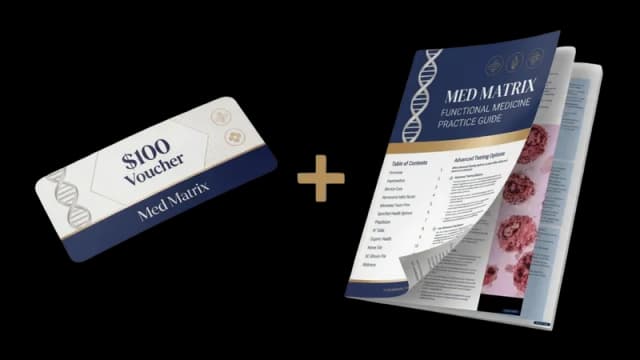
Includes a $100 voucher toward your first visit
Everything you need to make an informed decision: pricing, testing catalog, process timeline, provider bios, and real patient stories. No commitment required.

Free Practice Guide + $100 Voucher
Everything you need before your first visit
STEP 1 OF 3
Enter your email to get instant access
We only accept a limited number of patients per week
EXPLORE
Related Content
Articles, patient stories, and podcast episodes about lyme disease treatment.

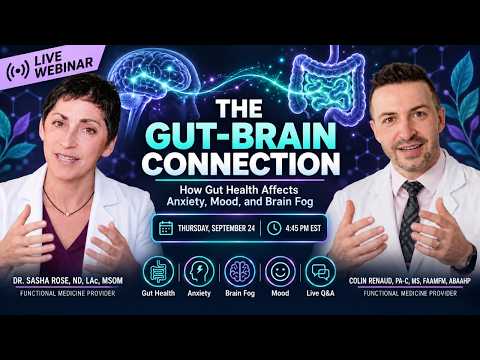
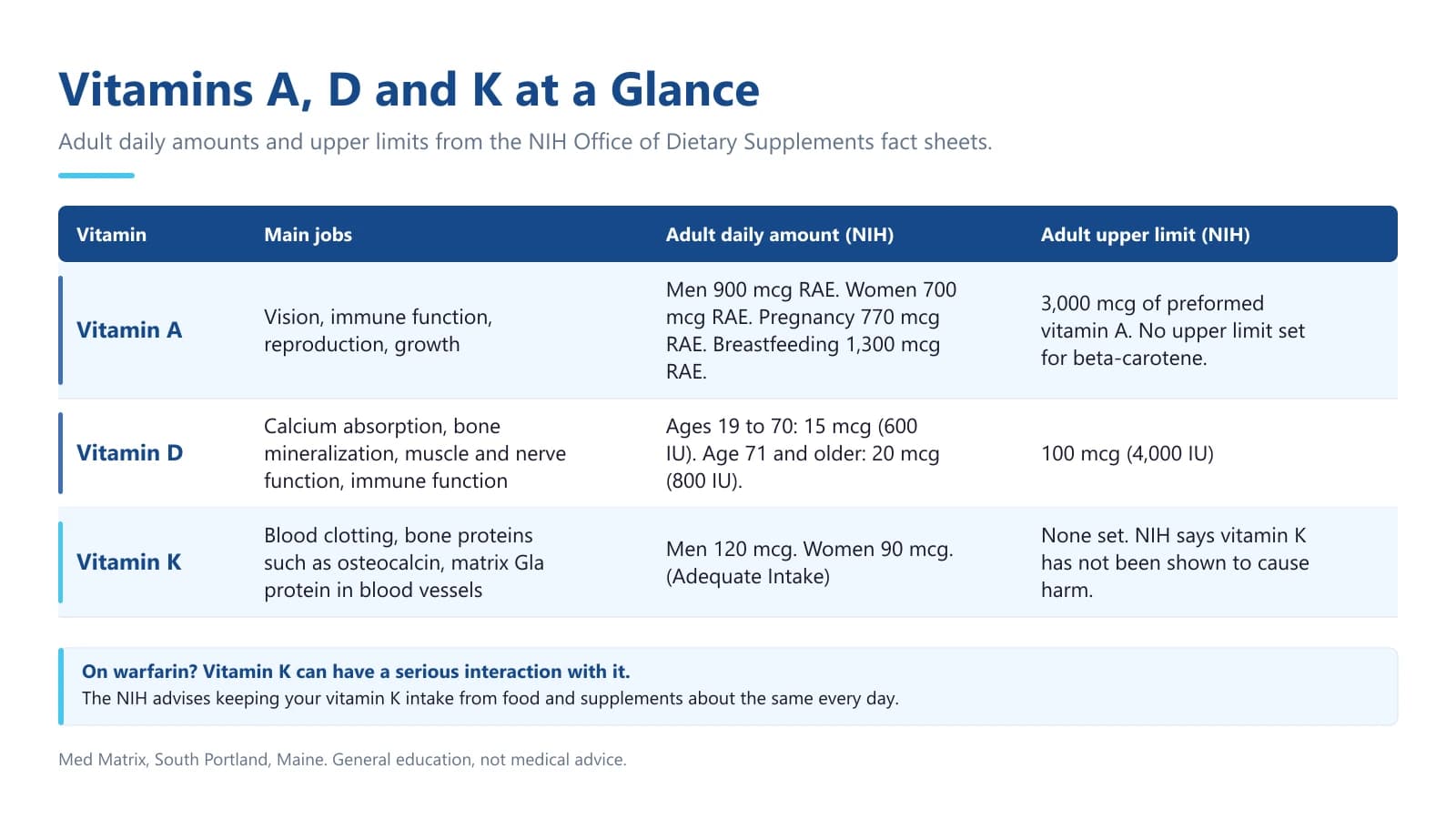
FAQ
Lyme Disease Treatment FAQ
Yes. Standard Western blot and ELISA tests detect antibodies, not the bacteria itself. Borrelia burgdorferi (the Lyme bacteria) uses multiple strategies to hide from your immune system. If your immune system can't see the bacteria, it doesn't produce antibodies, and the test comes back negative even though the infection is active. This is well documented in the infectious disease literature. The gold standard test is FISH (fluorescent microscopy), which looks at the bacteria directly under a microscope. It requires a Lyme-literate provider to order.
Co-infections are separate infections transmitted by the same tick that gave you Lyme. The most common are Bartonella (a bacterial infection also transmissible by cats and dogs), Babesia (a blood parasite, not a bacteria), and Mycoplasma. Each requires different treatment. Babesia is a parasite, so antibiotics won't touch it. Bartonella needs a different antibiotic approach than Borrelia. A standard Lyme test only checks for one species of Borrelia and misses everything else. Most chronic Lyme patients have co-infections. Missing them is a major reason treatment fails.
For early-stage Lyme disease caught and treated promptly with adequate oral antibiotics (at least 21 days per ILADS guidelines), most patients recover rapidly and completely. For late-stage Lyme disease, treatment is measured in months to years. Recovery is not a straight line. You'll have periods of improvement followed by setbacks, then more improvement. Your provider will set realistic expectations based on how long you've been symptomatic, what co-infections are present, and how your body responds to treatment.
Initial onboarding at Med Matrix runs $1,500 all-in, covering your 80-biomarker blood panel, InBody body composition scan, provider prep, and one-hour provider visit. FISH testing through specialized labs is expensive and not covered by insurance. Co-infection testing panels are additional. Treatment costs vary depending on your protocol (botanical antimicrobials, pharmaceutical antibiotics, IV therapies, hormone support, supplements). We accept HSA, FSA, CareCredit, and all major cards. New patients get a $100 voucher toward their first visit.
Remove the tick immediately using fine-tipped tweezers, pulling upward with steady pressure. Save it in a sealed bag and send it to a PCR testing lab to find out what infections it was carrying. Removing an attached tick within 24 hours significantly reduces the risk of transmission. Start doxycycline as soon as possible. The ILADS guidelines support starting antibiotics promptly after a deer tick bite, before waiting for symptoms or test results. Contact a provider who can prescribe it. If the tick tests negative, you can stop the antibiotics. If it tests positive, you need a full treatment course. Don't wait for a bullseye rash. Many Lyme cases never produce one.
The Centers for Disease Control and Prevention (CDC) recommends using EPA-registered insect repellents containing DEET or permethrin, wearing long sleeves and pants when hiking or gardening, and performing full-body tick checks after spending time outdoors. Shower within two hours of coming inside. Check pets regularly. If you find an attached tick, remove it with fine-tipped tweezers, save it in a sealed bag, and send it to a PCR lab for testing. Starting oral antibiotics like doxycycline promptly after a deer tick bite is supported by ILADS guidelines.
No. Antibiotics are one tool, but they're not always the right one or the only one. There's growing research showing antibiotic resistance in Borrelia, where the bacteria can actually strengthen during treatment. We use a combination of approaches depending on the patient: pharmaceutical antibiotics when appropriate, botanical antimicrobials (which studies show can outperform pharmaceuticals against certain tick-borne infections), hormone optimization, nutrient support, gut repair, IV therapies like ozone, and nervous system rehabilitation. Every plan is individualized based on your testing, symptoms, and response to treatment.
Many people with persistent Lyme symptoms get substantially better, though the path is rarely a single course of antibiotics. When symptoms linger after treatment (often called post-treatment Lyme disease syndrome), the drivers are usually a mix of unresolved co-infections, immune dysregulation, and inflammation. We test for those specific drivers and treat what we find, which is why some patients who were told nothing more could be done still improve. Recovery is measured in months, and how far you get depends on your individual picture.
A flare usually brings back or worsens fatigue, brain fog, joint and muscle pain, headaches, and sleep problems, often triggered by stress, illness, hormonal shifts, or overexertion. Because these overlap with other conditions, we look at the full picture (co-infections, inflammation, hormones, and nutrients) rather than assuming every flare is the Lyme infection itself.
Persistent symptoms after Lyme treatment are real and well documented, even though the medical community still debates what to call them and what causes them. Whether it is labeled chronic Lyme or post-treatment Lyme disease syndrome, these patients are genuinely still sick. Our approach focuses on the measurable drivers we can actually test and treat, co-infections, immune and inflammatory markers, and the systems Lyme disrupts, rather than on the label.
Standard Lyme antibody tests can miss persistent or later-stage infection, so a negative result does not rule it out. We use more sensitive methods including FISH testing and panels for common co-infections like Bartonella and Babesia, alongside immune and inflammatory markers, to build an accurate picture. See our advanced testing for the full workup.
Yes. Lyme literate means a provider trained through ILADS (the International Lyme and Associated Diseases Society) to recognize and treat the chronic and persistent tick-borne illness that standard testing and short antibiotic courses miss. Colin Renaud, PA-C is an ILADS member who has spoken at ILADS conferences on Lyme diagnosis. That training shapes how we test for co-infections like Bartonella and Babesia and how we build treatment beyond a single course of doxycycline.
Related Services to Lyme Disease Treatment
Your Health, Your Terms
Start Feeling Like Yourself Again
Get your free practice guide and a $100 voucher toward your first visit. No commitment, no pressure.