
Functional Medicine
Environmental and Food Allergies
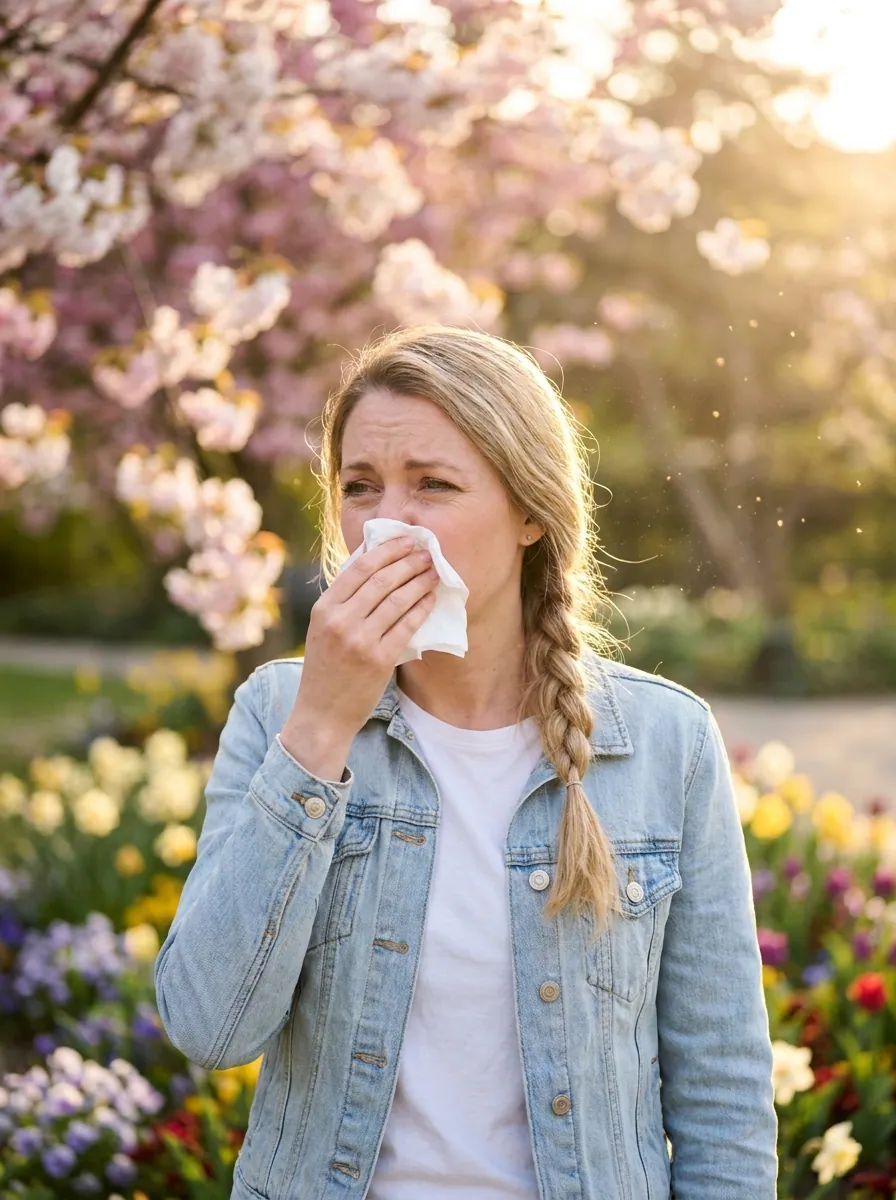
Allergies aren't random. They're your immune system overreacting because something upstream is off. Gut permeability, histamine intolerance, nutrient deficiencies, and immune dysregulation all make allergies worse. We address the root cause, not just the histamine response.
On This Page
- 01Why Your Allergies Keep Getting Worse
- 02Treating Allergies at the Source
- 03Can You Develop Food Allergies Later in Life?
- 04How to Test for Food Allergies and Sensitivities
- 05What Causes Environmental Allergies to Get Worse Every Year?
- 06Food Allergy vs Food Sensitivity vs Food Intolerance: What's the Difference?
- 07Food Allergies vs Environmental Allergies: How Are They Connected?
- 08Common Symptoms We See
- 09What We Test for This Condition
- 10Frequently Asked Questions
On This Page
- 01Why Your Allergies Keep Getting Worse
- 02Treating Allergies at the Source
- 03Can You Develop Food Allergies Later in Life?
- 04How to Test for Food Allergies and Sensitivities
- 05What Causes Environmental Allergies to Get Worse Every Year?
- 06Food Allergy vs Food Sensitivity vs Food Intolerance: What's the Difference?
- 07Food Allergies vs Environmental Allergies: How Are They Connected?
- 08Common Symptoms We See
- 09What We Test for This Condition
- 10Frequently Asked Questions
Why Your Allergies Keep Getting Worse
You used to tolerate foods you can't eat now. Your seasonal allergies are worse every year. You react to things that never bothered you before. Antihistamines help less and less. Your allergist prescribed more medications but nobody asked why your immune system is becoming increasingly reactive.
Allergies and food sensitivities are symptoms of immune dysregulation. They escalate when the gut barrier breaks down (allowing proteins into the bloodstream that trigger immune reactions), when histamine clearance is impaired (DAO enzyme deficiency), when nutrient deficiencies leave the immune system poorly regulated, and when chronic inflammation keeps the immune system on high alert.
The conventional approach is avoidance and antihistamines. That manages the reaction but does nothing about why you're reacting more. Functional medicine asks: what changed? Why is your immune system overreacting? And what can we do about the underlying driver?
Inside Med Matrix
Everything Under One Roof
Advanced testing, personalized protocols, and real results from a team that treats the whole picture.

Treating Allergies at the Source
We assess gut health, inflammatory markers, nutrient status, and immune function. For many patients, healing the gut and addressing nutrient deficiencies resolves or dramatically reduces allergic responses.
- Gut barrier repair. Intestinal permeability ("leaky gut") allows food proteins into the bloodstream, triggering immune reactions. We identify and repair gut barrier dysfunction.
- Histamine metabolism. Some patients have impaired histamine clearance (low DAO enzyme activity). We identify this pattern and support proper histamine breakdown.
- Immune regulation. Vitamin D, zinc, and omega-3s directly modulate immune responses. Deficiency in any of these makes allergic reactions more severe.
- Microbiome restoration. Specific gut bacteria strains influence how your immune system responds to allergens. Dysbiosis shifts the immune system toward hyperreactivity.
- Inflammation reduction. Chronic systemic inflammation primes the immune system to overreact. We identify and address the sources of inflammation.
- Not sure which of these applies to you?Talk it through on a free call with a patient coordinator.
Many patients report significant reduction in food sensitivities and seasonal allergies within 2-3 months of gut repair and immune support protocols.
Can You Develop Food Allergies Later in Life?
Yes. And this is one of the most common things patients tell us when they walk in: "I used to eat everything fine. Now I react to half of what I eat. What happened?"
What happened, in most cases, is gut barrier breakdown. Your intestinal lining is a selective barrier. It's supposed to let nutrients through and keep everything else out. When that barrier degrades (from chronic stress, medications like NSAIDs and antibiotics, infections, poor diet, or toxin exposure), undigested food proteins leak into the bloodstream. Your immune system encounters these proteins where they don't belong and mounts a response. That response is what you experience as a food sensitivity.
This is different from a true IgE food allergy (the kind that causes anaphylaxis, throat swelling, or hives within minutes). True allergies involve a specific immune pathway and are typically lifelong. Food sensitivities involve a different immune pathway (primarily IgG-mediated), and they can develop at any age when gut permeability increases. The good news: they can also resolve once the gut heals.
Several factors make food sensitivities more likely to develop in adulthood:
- Cumulative gut damage. Years of stress, processed food, antibiotic courses, and NSAID use (ibuprofen, naproxen) gradually erode the intestinal lining
- Hormonal changes. Perimenopause and menopause alter immune regulation. Declining progesterone in particular affects gut barrier integrity
- Chronic stress. Cortisol dysregulation directly impacts gut permeability and shifts the gut microbiome toward inflammatory species
- Infections. Gut infections (parasites, bacterial overgrowth, candida) damage the lining and create inflammation that primes immune reactivity
- Mold and environmental toxins. Mycotoxin exposure and heavy metal burden stress detoxification pathways and increase systemic inflammation
The conventional approach is to run an IgG food sensitivity panel and hand you a list of 30 foods to avoid. That addresses the symptom (the reaction) but not the cause (why you're reacting). And those panels have mixed reliability. We take a different approach in our South Portland, Maine clinic: identify why the gut barrier broke down, repair it, and most food sensitivities resolve on their own within 3 to 6 months.
How to Test for Food Allergies and Sensitivities
There's no single test that gives you the full picture. The approach depends on whether you're dealing with true allergies, food sensitivities, histamine intolerance, or a combination.
- Our testing approach starts broad. Your 80+ biomarker panel includes inflammatory markers (hs-CRP), immune markers, nutrient levels, and metabolic health indicators. We're looking for signs of systemic inflammation and immune dysregulation that indicate the immune system is in overdrive.
- Advanced stool testing. This is where we get specific. A thorough stool panel evaluates gut microbiome composition, intestinal permeability markers, digestive enzyme output, immune markers in the gut (secretory IgA), and the presence of parasites, bacterial overgrowth, or yeast overgrowth. This tells us what's happening at the source of the immune hyperreactivity.
- Elimination protocols. Still the most reliable method for identifying which specific foods trigger reactions. Rather than relying on a panel with variable accuracy, your provider may recommend a structured elimination diet followed by systematic reintroduction. This takes more effort than a blood test, but it gives you real-world answers about your body's actual responses.
- Histamine assessment. Some patients don't have food allergies at all. They have impaired histamine clearance. The DAO enzyme that breaks down histamine in the gut can be insufficient, causing reactions to high-histamine foods (fermented foods, aged cheese, wine, cured meats). This pattern looks like allergies but has a completely different root cause and treatment approach.
Your provider (typically Dr. Sasha Rose for allergy and gut cases) evaluates your full picture and recommends the testing pathway that fits your symptoms. Some patients need gut testing. Others need a targeted elimination protocol. Some need both plus environmental assessment. The point is to find what's driving your immune system's overreaction, not just catalog what you react to. Learn more about our testing capabilities on the advanced testing page.
What Causes Environmental Allergies to Get Worse Every Year?
Seasonal allergies that escalate year over year follow the same pattern as worsening food sensitivities: your immune system is becoming increasingly reactive because something upstream is pushing it out of balance.
Healthy immune regulation means your body can encounter pollen, dust, pet dander, and environmental triggers without overreacting. When immune regulation breaks down, the threshold for reaction drops. Things that never bothered you before now trigger sneezing, congestion, itchy eyes, skin irritation, and even asthma symptoms.
The drivers are the same ones behind food sensitivities:
- Gut microbiome imbalance. Specific bacterial strains in the gut directly modulate how the immune system responds to environmental allergens. When the microbiome shifts toward inflammatory species (from antibiotics, diet, or stress), allergic responses intensify
- Nutrient deficiencies. Vitamin D, zinc, and omega-3 fatty acids are direct immune modulators. Deficiency in any of these makes allergic reactions more severe. Most patients we see in Maine are low in at least one
- Chronic inflammation. Systemic inflammation from any source (gut dysfunction, metabolic disease, hormonal imbalance, toxin exposure) primes the immune system to overreact to triggers that a regulated immune system would ignore
- Histamine overload. When you combine high-histamine foods, environmental allergens, stress, and impaired DAO enzyme activity, your total histamine load exceeds your body's capacity to clear it. Everything gets worse
Antihistamines block the reaction temporarily but don't address why the reaction is happening. Every year the underlying driver gets worse, the threshold drops lower, and you need more medication to manage. Addressing the root cause (restoring gut health, replenishing nutrients, reducing systemic inflammation) breaks the cycle. Many patients report significant reduction in seasonal symptoms within 2 to 3 months of beginning gut repair and immune support protocols.
Food Allergy vs Food Sensitivity vs Food Intolerance: What's the Difference?
These three terms get used interchangeably, but they are different problems with different tests and different fixes. A food allergy is an IgE-mediated immune reaction that happens fast (minutes), can cause hives, swelling, or anaphylaxis, and is usually lifelong. A food sensitivity works through a different, mostly IgG-mediated pathway, shows up hours or days later as bloating, brain fog, headaches, fatigue, or skin flare-ups, and can develop in adulthood when the gut barrier breaks down.
A food intolerance is not an immune reaction at all. It is an enzyme or digestive problem, like lactose intolerance from low lactase, or histamine intolerance from insufficient DAO enzyme activity that leaves you reacting to wine, aged cheese, and fermented foods. Because the mechanisms differ, a single blood test cannot sort them out. We identify which pattern (or combination) you are dealing with, which is what determines whether the answer is gut repair, enzyme support, or targeted avoidance.

Food Allergies vs Environmental Allergies: How Are They Connected?
Food reactions and seasonal or environmental allergies feel like separate problems, but they usually share the same root: an immune system that has lost its ability to stay calm. When immune regulation is healthy, your body can encounter pollen, dust, pet dander, and everyday foods without overreacting. When gut barrier function breaks down, nutrients like vitamin D, zinc, and omega-3s run low, and chronic inflammation stays high, the threshold for reaction drops across the board.
That is why patients often notice their food sensitivities and their hay fever getting worse in the same stretch of life. The drivers overlap, so addressing them (restoring gut health, replenishing nutrients, lowering systemic inflammation, and reducing total histamine load) tends to ease both at once, instead of managing each with a separate medication. Our functional medicine approach treats the shared upstream cause rather than chasing each symptom on its own.
- Zonulin (via stool testing)Marker for intestinal permeability (leaky gut). Elevated zonulin means the gut barrier is compromised and food proteins are leaking into the bloodstream.
- Vitamin D (25-OH)Directly modulates immune tolerance. Low vitamin D shifts the immune system toward allergic and autoimmune responses.
- ZincEssential for immune regulation and gut barrier integrity. Deficiency worsens both food and environmental allergic responses.
- hs-CRPMeasures systemic inflammation. Elevated levels indicate the immune system is in a heightened state of reactivity across the body.
Common Symptoms We See
- Reacting to foods you used to tolerate without problems
- Seasonal allergies that get worse every year
- Bloating, gas, or digestive discomfort after eating
- Skin reactions (hives, eczema, rashes) after certain foods
- Chronic nasal congestion or post-nasal drip
- Headaches or migraines triggered by specific foods or environments
- Fatigue or brain fog after meals
- Itchy eyes, throat, or skin without clear trigger
- Feeling worse after fermented foods, wine, or aged cheese (histamine pattern)
- Digestive issues that don't improve despite dietary changes
In Their Words
“It was looking at more of the root cause, not just treating symptoms. That wasn't working for my symptoms with normal medical doctors.”
Victoria: Root Cause, Not Just Symptom Management
Patient Story
“It was looking at more of the root cause, not just treating symptoms. That wasn't working for my symptoms with normal medical doctors.”
Victoria: Root Cause, Not Just Symptom Management
Patient Story
“There were things on there that I hadn't known. For example, Hashimoto's disease. I had asked my physician to test me for that and they didn't. And that did come up on there.”
Laura: Hashimoto's Discovered After Years of Being Dismissed
Patient Story
“This is my health. I can go out and spend a ton of money on clothes, but this is my health, so it's worth it.”
Terry: Less Inflammation, Better Sleep, Energy Back
Patient Story
“There were things on there that I hadn't known. For example, Hashimoto's disease. I had asked my physician to test me for that and they didn't. And that did come up on there.”
Laura: Hashimoto's Discovered After Years of Being Dismissed
Patient Story
What We Test for This Condition
hs-CRP
Measures systemic inflammation. Elevated levels indicate the immune system is in a heightened state of reactivity across the body.
Secretory IgA (via stool testing)
Your gut's first-line immune defense. Low levels indicate weakened gut immunity. Elevated levels suggest active immune response to gut irritants.
Zonulin (via stool testing)
Marker for intestinal permeability (leaky gut). Elevated zonulin means the gut barrier is compromised and food proteins are leaking into the bloodstream.
Vitamin D (25-OH)
Directly modulates immune tolerance. Low vitamin D shifts the immune system toward allergic and autoimmune responses.
Zinc
Essential for immune regulation and gut barrier integrity. Deficiency worsens both food and environmental allergic responses.
Cortisol
Your body's natural anti-inflammatory. Depleted cortisol from chronic stress removes the brake on allergic responses and histamine release.
Fasting Insulin
Insulin resistance drives systemic inflammation that amplifies immune hyperreactivity. Often overlooked in allergy patients.
Full Thyroid Panel
Thyroid dysfunction alters immune function and gut motility. Hypothyroidism slows digestion and can worsen food sensitivity patterns.
From Our Podcast
Our providers answer common questions about this condition on the Med Matrix Method podcast.
Leaky Gut Symptoms and the Gut Tests Your Gastroenterologist Is Not Running
- Q:How does leaky gut cause food sensitivities?
- Q:What does advanced stool testing reveal about immune function?
Signs Your Probiotics Are Working (and Why They Sometimes Make You Feel Worse)
- Q:How does the gut microbiome control allergic responses?
- Q:Can probiotics reduce food and environmental allergies?
Mold Toxicity Symptoms: How Hidden Mold Exposure Causes Brain Fog and Fatigue
- Q:How does mold exposure worsen allergy symptoms?
- Q:Why do some people react to environments that don't bother others?
Who Treats This Condition
These providers specialize in this area and review every patient's case personally.

Free Resource
Get Your Free Practice Guide
Includes a $100 voucher toward your first visit
Everything you need to make an informed decision: pricing, testing catalog, process timeline, provider bios, and real patient stories. No commitment required.

Free Practice Guide + $100 Voucher
Everything you need before your first visit
STEP 1 OF 3
Enter your email to get instant access
We only accept a limited number of patients per week
EXPLORE
Related Content
Articles, patient stories, and podcast episodes about environmental and food allergies.


FAQ
Environmental and Food Allergies FAQ
True IgE-mediated food allergies (anaphylaxis risk) require ongoing avoidance. However, most 'food sensitivities' (IgG-mediated reactions) can be resolved by healing gut permeability and reducing inflammation. Many patients reintroduce previously reactive foods after 3-6 months of gut repair.
We focus on the root cause of immune hyperreactivity rather than cataloging every food you react to. We test inflammatory markers, gut health, nutrient status, and immune function. Addressing these resolves most sensitivities without needing an elimination list of 40 foods.
Histamine intolerance is real and underdiagnosed. It causes headaches, flushing, digestive issues, and allergy-like symptoms from high-histamine foods. We identify impaired histamine clearance and support the enzymatic pathways that break it down.
It depends on the test. IgG food sensitivity panels can point you in a direction, but they have mixed reliability and often flag foods you tolerate fine. The most reliable method for pinpointing trigger foods is still a structured elimination diet followed by systematic reintroduction, which shows your body's real-world response. We pair that with inflammatory markers and gut testing so we are treating the reason your immune system is overreacting, not just cataloging a list of foods to avoid.
There is no single test that captures the full picture. Our approach starts broad with an 80+ biomarker panel that checks inflammatory markers like hs-CRP, immune markers, and nutrient levels, then adds advanced stool testing to evaluate gut permeability, the microbiome, and secretory IgA. From there your provider may recommend a targeted elimination protocol and, when symptoms point to it, a histamine and DAO assessment. See our advanced testing page for more detail.
A true food allergy is an IgE-mediated immune reaction that happens within minutes, can cause hives, throat swelling, or anaphylaxis, and is typically lifelong. A food sensitivity involves a different, primarily IgG-mediated pathway, produces slower symptoms like bloating, brain fog, headaches, or skin reactions, and can develop at any age when gut permeability increases. The important difference is that sensitivities often resolve once the gut barrier heals, while true allergies require ongoing avoidance.
A standard allergy test looks for IgE antibodies, so it only catches true immediate allergies. It will not detect IgG-mediated food sensitivities or histamine intolerance from impaired DAO enzyme activity, both of which cause allergy-like symptoms through completely different pathways. That is why so many patients are told everything is normal while they still react to food and environments. We test gut function, inflammation, nutrient status, and histamine clearance to find the driver a negative allergy panel misses.
Yes. We provide food sensitivity, allergy, and histamine testing at our clinic in South Portland, Maine, and take a root-cause approach rather than handing you a list of foods to avoid. Testing starts with your 80+ biomarker panel plus advanced stool and, when indicated, histamine assessment, then your provider builds a plan to repair what is driving the reactions.
Related Services to Environmental and Food Allergies
Your Health, Your Terms
Start Feeling Like Yourself Again
Get your free practice guide and a $100 voucher toward your first visit. No commitment, no pressure.