
Functional Medicine
Long COVID Treatment
Long COVID isn't in your head. It's measurable. Post-viral inflammation, autonomic dysfunction, mitochondrial damage, and immune dysregulation show up on the right tests. We run those tests. Then we treat what we find.

On This Page
- 01Why Long COVID Persists
- 02How We Approach Long COVID Recovery
- 03What Causes Long COVID Symptoms That Won't Go Away?
- 04What Is the Best Treatment for Long COVID?
- 05Do Peptides Help With Long COVID?
- 06Can You Fully Recover From Long COVID?
- 07Common Symptoms We See
- 08What We Test for This Condition
- 09Frequently Asked Questions
On This Page
- 01Why Long COVID Persists
- 02How We Approach Long COVID Recovery
- 03What Causes Long COVID Symptoms That Won't Go Away?
- 04What Is the Best Treatment for Long COVID?
- 05Do Peptides Help With Long COVID?
- 06Can You Fully Recover From Long COVID?
- 07Common Symptoms We See
- 08What We Test for This Condition
- 09Frequently Asked Questions
Why Long COVID Persists
You had COVID weeks or months ago. The acute infection cleared. But you still can't think straight, you're exhausted by noon, your heart races when you stand up, and your doctor says your labs look fine. Welcome to long COVID, and welcome to being gaslit by a healthcare system that doesn't know how to test for it.
Long COVID affects an estimated 10-30% of people who had the virus. Symptoms include persistent fatigue, brain fog, exercise intolerance, heart palpitations, shortness of breath, joint pain, headaches, and sleep disruption. Conventional medicine acknowledges it exists but offers little beyond "rest and wait." That's because the standard blood panel doesn't test for the mechanisms driving long COVID.
What actually happens post-COVID: persistent inflammation (elevated cytokines), autonomic nervous system dysfunction (POTS-like symptoms), mitochondrial damage (cells can't produce energy normally), microclotting (tiny clots impair blood flow), gut barrier breakdown, and reactivation of latent viruses like Epstein-Barr. These are all testable. They all have treatment protocols. You just need a provider who knows what to look for.
Inside Med Matrix
Everything Under One Roof
Advanced testing, personalized protocols, and real results from a team that treats the whole picture.
How We Approach Long COVID Recovery
We don't have a "long COVID protocol" that everyone gets. We test and treat based on what's actually happening in your body. Your panel includes inflammatory markers (hs-CRP, IL-6, TNF-alpha when indicated), metabolic function, hormone levels (COVID frequently disrupts testosterone, thyroid, and cortisol), nutrient status, and immune markers.
- Inflammation control. Targeted anti-inflammatory support. Peptides like BPC-157 for tissue repair. Nutritional interventions to calm the immune response.
- Mitochondrial support. CoQ10, NAD+ precursors, and targeted nutrients to restore cellular energy production.
- Autonomic retraining. Addressing POTS symptoms, heart rate variability, and nervous system dysregulation through specific protocols.
- Hormone restoration. COVID frequently tanks testosterone and disrupts thyroid function. We restore these when labs confirm deficiency.
- Gut repair. The virus damages gut lining. This creates systemic inflammation that perpetuates every other symptom. We test and restore gut health as a foundation.
- Not sure which of these applies to you?Talk it through on a free call with a patient coordinator.
Recovery timelines vary. Some patients feel significantly better within 4-6 weeks. Complex cases take longer. The difference is we're actually addressing what's broken instead of waiting for it to fix itself.
What Causes Long COVID Symptoms That Won't Go Away?
Long COVID isn't a single disease. It's a collection of mechanisms that keep firing after the acute infection clears. Understanding which ones are active in your body is the difference between waiting years for symptoms to fade on their own and actually recovering.
- Spike protein persistence. Research suggests that spike proteins from the virus can embed in gut lining, heart tissue, and other soft tissue, driving chronic inflammation long after the infection resolves. These proteins trigger ongoing immune activation that shows up as fatigue, brain fog, and exercise intolerance. Your body treats them as a persistent threat even though the active virus is gone.
- Endothelial dysfunction and micro-clotting. COVID damages the endothelium (the lining of your blood vessels). This damage promotes the formation of micro-clots that impair blood flow to tissues throughout the body. The result is reduced oxygen delivery to muscles, brain, and organs. Patients describe it as feeling like they can't get enough air even when their oxygen saturation reads normal. This mechanism explains why some long COVID patients can barely walk up a flight of stairs despite having normal lung function tests.
- Autonomic nervous system dysfunction. POTS (postural orthostatic tachycardia syndrome) and other forms of dysautonomia are common in long COVID patients. Your heart races when you stand up. You feel dizzy. Your body can't regulate temperature or blood pressure properly. This happens because COVID disrupts the autonomic nervous system, the part of your nervous system that controls everything you don't think about: heart rate, digestion, blood pressure, sweating.
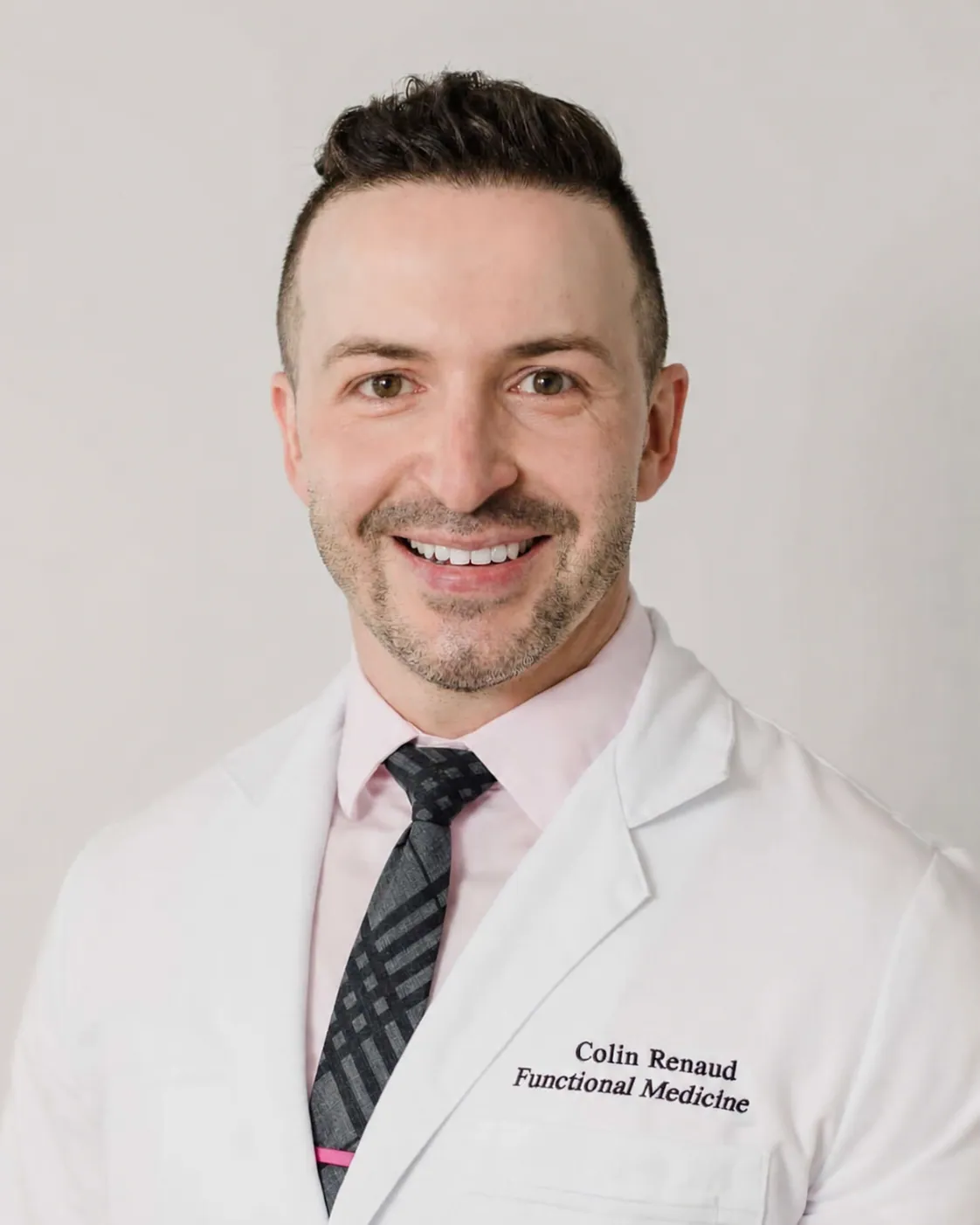
- Cortisol depletion. Colin Renaud, PA-C explains it this way: many long COVID patients weren't in peak health when they got infected. Maybe they had an underlying gut issue, an undiagnosed infection, or they were burnt out from overtraining or chronic stress. COVID pushed them over the edge. Their cortisol reserves (the hormone that regulates immune response and stress recovery) were already low, and the virus depleted what was left. Without adequate cortisol, the immune system can't properly regulate itself, and recovery stalls.
- Reactivation of latent viruses. COVID can reactivate dormant infections like Epstein-Barr virus (EBV) and other herpesviruses that were kept in check by a functioning immune system. This adds another layer of immune activation and inflammation that makes symptoms worse and confuses diagnosis. A patient who thinks they only have long COVID may also have reactivated EBV driving their fatigue and brain fog.
Gut barrier disruption. The virus damages the intestinal lining, increasing permeability. This drives systemic inflammation, impairs nutrient absorption, and disrupts the gut microbiome. Since 70-80% of the immune system resides in the gut, gut damage perpetuates the cycle of immune dysfunction.
What Is the Best Treatment for Long COVID?
There's no single best treatment because long COVID isn't a single problem. The patients who recover are the ones whose providers identify which mechanisms are active and target them specifically. That's the functional medicine approach: test, identify, treat what you find.
At Med Matrix in South Portland, Maine, your evaluation starts with a panel of 80+ biomarkers covering inflammatory markers (hs-CRP, and IL-6 or TNF-alpha when clinically indicated), full hormone panel (testosterone, thyroid, cortisol, DHEA), metabolic markers (fasting insulin, HbA1c), and nutrient levels. We're looking for the downstream damage COVID left behind.
Based on what your labs reveal, treatment targets the specific mechanisms at play:
- Inflammation control. Targeted anti-inflammatory support, nutritional interventions, and peptide therapy (BPC-157 for tissue repair, Thymosin Alpha-1 for immune modulation) to calm the overactive immune response
- Mitochondrial restoration. CoQ10, NAD+ precursors, and targeted nutrients to restore cellular energy production. Your mitochondria are the power plants of every cell. COVID damages them, and until they're repaired, fatigue persists
- Hormone restoration. COVID frequently tanks testosterone in men and disrupts thyroid function in both sexes. We restore these when labs confirm deficiency. Cortisol support is often critical for patients stuck in the depletion pattern
- Autonomic retraining. Addressing POTS symptoms, heart rate variability, and nervous system dysregulation through targeted protocols and lifestyle modifications
- Gut repair. Restoring the intestinal barrier, rebalancing the microbiome, and supporting nutrient absorption. This is foundational. If the gut stays damaged, systemic inflammation persists regardless of other interventions
- Nutrient repletion. Vitamin D, zinc, magnesium, B vitamins, and iron when depleted. Chronic inflammation burns through nutrient reserves faster than normal
Recovery timelines vary. Some patients feel significantly better within 4 to 6 weeks. Complex cases with multiple mechanisms (especially those with pre-existing conditions that COVID worsened) take longer. We've treated over 3,000 patients at Med Matrix with a 4.8-star rating across 190+ Google reviews. The difference isn't a magic protocol. It's finding what's actually broken and fixing it instead of telling you to rest and wait.
Do Peptides Help With Long COVID?
For some long COVID patients, yes. When labs point to lingering tissue damage or a dysregulated immune response, we may use peptide therapy as part of a personalized protocol, not as a one-size-fits-all fix. Two we use most often are BPC-157 for tissue and gut lining repair and Thymosin Alpha-1 for immune modulation, which can help calm the overactive immune signaling that keeps symptoms going.
Peptides are one tool among several. They work best alongside the rest of the plan (mitochondrial support, hormone restoration, and gut repair) once testing shows which mechanisms are actually active in your body. You can read more about how we use them on our peptide therapy page.

Can You Fully Recover From Long COVID?
Many patients do recover meaningfully once the specific mechanisms driving their symptoms are identified and treated, rather than left to resolve on their own. Recovery timelines vary. Some patients feel significantly better within 4 to 6 weeks, while complex cases with multiple overlapping mechanisms (especially where COVID worsened a pre-existing gut, thyroid, or hormone issue) take longer.
The patients who improve are the ones whose providers test broadly and treat what they find instead of prescribing rest and reassurance. Because the underlying drivers stay measurable months or years later, it is rarely too late to start.
Common Symptoms We See
- Fatigue that doesn't improve with rest (sometimes worse after exertion)
- Brain fog, difficulty concentrating, or memory problems
- Heart palpitations or racing heart when standing up
- Shortness of breath with minimal activity
- Exercise intolerance (post-exertional malaise)
- Persistent headaches
- Joint or muscle pain without clear cause
- Sleep disruption despite being exhausted
- Dizziness or lightheadedness when changing positions
- New food sensitivities or digestive issues after COVID
- Anxiety or depression that started after infection
- Temperature dysregulation (feeling too hot or too cold)
In Their Words
“This is my health. I can go out and spend a ton of money on clothes, but this is my health, so it's worth it.”
Terry: Less Inflammation, Better Sleep, Energy Back
Patient Story
“There were things on there that I hadn't known. For example, Hashimoto's disease. I had asked my physician to test me for that and they didn't. And that did come up on there.”
Laura: Hashimoto's Discovered After Years of Being Dismissed
Patient Story
“I ran over 6 miles, no pain at all.”
Eric: BPC-157 Resolved Chronic Knee Pain in One Month
Patient Story
“Immediately I feel better, I sleep better, I exercise better. I notice a huge difference.”
Kirsten: IV Therapy Became Part of Her Monthly Routine
Patient Story
What We Test for This Condition
hs-CRP
Measures systemic inflammation. Persistently elevated after COVID indicates ongoing immune activation driving symptoms.
Cortisol
COVID depletes cortisol reserves. Low cortisol impairs immune regulation, stress recovery, and energy production.
Testosterone (Total + Free)
COVID frequently tanks testosterone in men, causing fatigue, brain fog, and muscle loss. Often missed because doctors don't check it post-infection.
Full Thyroid Panel (TSH, Free T3, Free T4, Reverse T3)
COVID disrupts thyroid function. Reverse T3 often spikes post-infection, blocking active thyroid hormone from reaching cells.
Fasting Insulin & HbA1c
COVID can trigger or worsen insulin resistance. Metabolic dysfunction perpetuates inflammation and fatigue.
Vitamin D (25-OH)
Low vitamin D impairs immune recovery and is associated with worse long COVID outcomes. Most patients are deficient.
Ferritin
Can spike during acute inflammation or drop during chronic illness. Either pattern affects energy and recovery.
B12 & Magnesium
Chronic inflammation depletes these faster than normal. Both are essential for nervous system function and energy production.
From Our Podcast
Our providers answer common questions about this condition on the Med Matrix Method podcast.
HPA Axis Dysfunction: How a Broken Cortisol Rhythm Drains Your Energy
- Q:How does cortisol depletion make long COVID recovery harder?
- Q:What role does the HPA axis play in post-viral fatigue?
Leaky Gut Symptoms and the Gut Tests Your Gastroenterologist Is Not Running
- Q:How does COVID damage the gut barrier?
- Q:Why is gut repair foundational to long COVID recovery?
Who Treats This Condition
These providers specialize in this area and review every patient's case personally.

Free Resource
Get Your Free Practice Guide
Includes a $100 voucher toward your first visit
Everything you need to make an informed decision: pricing, testing catalog, process timeline, provider bios, and real patient stories. No commitment required.

Free Practice Guide + $100 Voucher
Everything you need before your first visit
STEP 1 OF 3
Enter your email to get instant access
We only accept a limited number of patients per week
EXPLORE
Related Content
Articles, patient stories, and podcast episodes about long covid treatment.

FAQ
Long COVID Treatment FAQ
We test broadly. Your panel covers hormones, thyroid, inflammatory markers, metabolic function, and nutrient status. If long COVID isn't the cause, we'll find what is. Many patients come in thinking they have long COVID and discover it's actually thyroid dysfunction or hormone imbalance that started around the same time.
No. The mechanisms driving long COVID (inflammation, autonomic dysfunction, hormone disruption) are still measurable and treatable months or years later. Many of our long COVID patients had symptoms for 12-18 months before finding us.
It depends on your labs. Common interventions include peptide therapy, hormone optimization, IV nutrient therapy, targeted supplementation, and gut repair protocols. Everything is personalized to what your testing reveals.
For many people symptoms improve over several months, but a significant number stay sick for years without targeted treatment. The mechanisms driving long COVID (persistent inflammation, autonomic dysfunction, hormone disruption, and gut damage) are measurable and treatable at any point, not just in the first few weeks. Waiting it out is not the only option.
There is no single FDA-approved drug for long COVID fatigue. We treat the causes instead: restoring mitochondrial energy production with nutrients like CoQ10 and NAD+ precursors, correcting thyroid and hormone deficiencies that COVID disrupts, and lowering the inflammation that keeps you exhausted. What we use depends on what your labs actually show.
The most common are fatigue that does not improve with rest (often worse after exertion), brain fog and memory problems, a racing heart or palpitations when standing, shortness of breath with minimal activity, headaches, joint or muscle pain, and disrupted sleep despite exhaustion. Many patients also develop new food sensitivities or temperature dysregulation after infection.
We run a panel of 80+ biomarkers that covers inflammation (hs-CRP), full thyroid and hormone panels, cortisol, metabolic markers, and nutrient levels. Long COVID often shows up as elevated inflammation, depleted cortisol, disrupted thyroid, or missing nutrients that a standard blood panel never checks for. You can see the full workup on our advanced testing page.
Related Services to Long COVID Treatment

Your Health, Your Terms
Start Feeling Like Yourself Again
Get your free practice guide and a $100 voucher toward your first visit. No commitment, no pressure.