Foods That Boost Testosterone Naturally (What Actually Works)

Forbes Health Advisory Board · Naturopathic Doctor · Updated July 18, 2026
You typed "foods that boost testosterone" into a search bar because something feels off and a needle in your arm is not where you want to start. Fair enough. Most men want to know if they can fix this at the dinner table before they talk to a clinic.
Here is the honest version, man to man. Food matters. What you eat builds the raw materials your body uses to make testosterone, and a bad diet can quietly drag your levels down for years. But food works best as a foundation, not a rescue plan. If your testosterone is clinically low, no grocery list fixes that on its own. Let's walk through what actually helps, and where the line is.
1. Zinc: The Mineral Most Low-T Diets Are Missing
Zinc is one of the nutrients most directly tied to testosterone production. When men are low in it, levels tend to suffer, and when the deficiency is corrected, things often improve. The catch is that a lot of men run low without knowing it, especially if they sweat a lot, train hard, or eat a mostly processed diet.
You do not need a supplement stack to fix this. Oysters are the famous one, but red meat, poultry, shellfish, pumpkin seeds, and beans all carry zinc. Eat real food often enough and you cover the bases. The reason this gets missed in a regular checkup is simple. Nobody is measuring your micronutrients in a 12-minute visit.
2. Vitamin D: The One Most Mainers Are Short On
Vitamin D behaves more like a hormone than a vitamin, and your body uses it in the pathways that make testosterone. Men with low vitamin D often have lower testosterone, and bringing levels up can help when a deficiency was the problem.
If you live in Maine, pay attention here. Our winters are long and the sun sits low for months, so a lot of us run short without realizing it. Fatty fish like salmon, egg yolks, and fortified foods help, but sunlight is the big lever, and from late fall through spring we just do not get enough of it. This is exactly the kind of thing a real panel catches and a quick physical does not. We check it as part of our advanced testing for a reason.
3. Healthy Fats and Yes, Cholesterol
This one surprises men who spent years being told fat was the enemy. Your body literally builds testosterone out of cholesterol. Strip the healthy fats out of your diet entirely and you take away the raw material your hormones are made from.
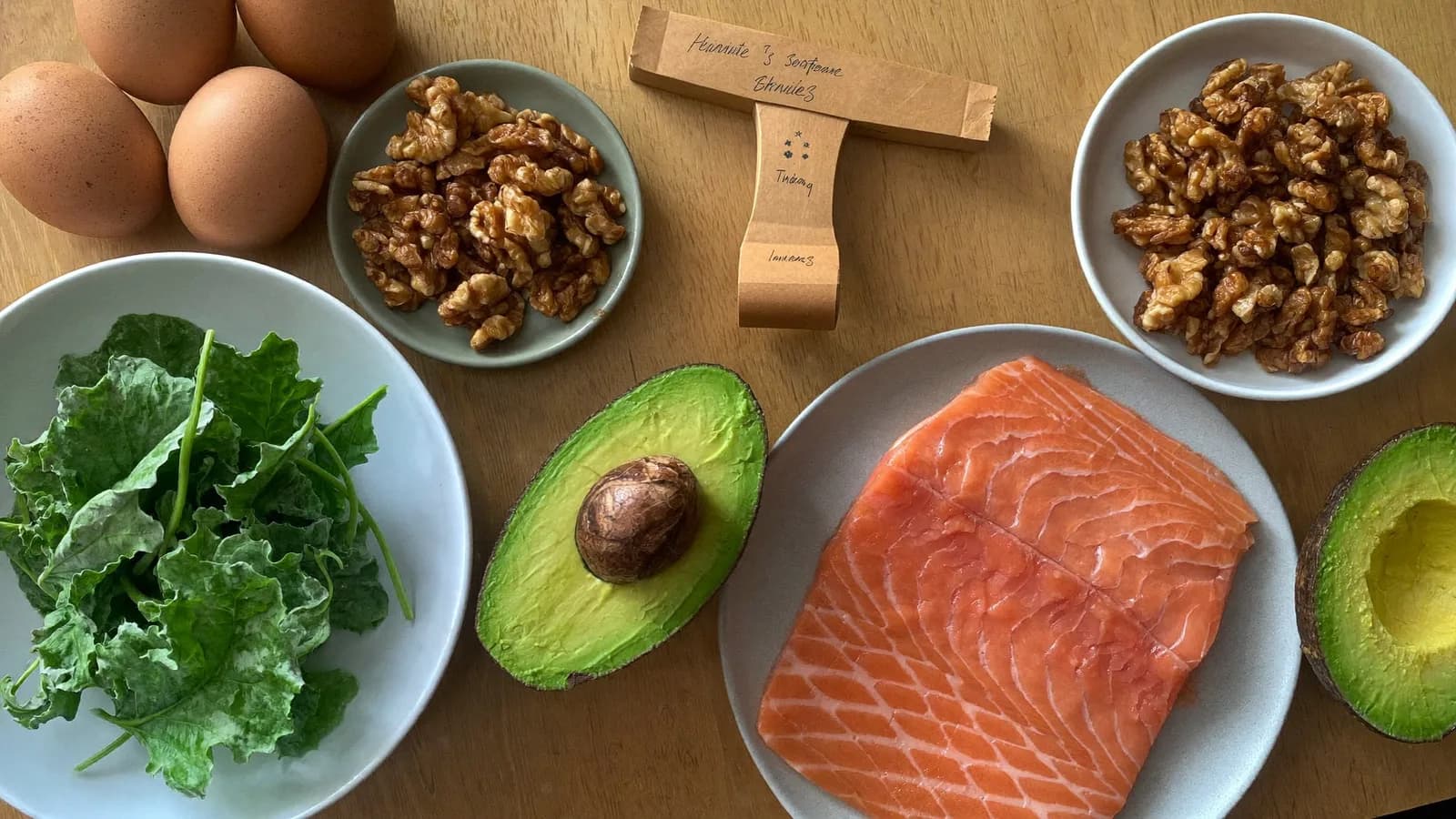
We are not talking about a fast-food free-for-all. We mean the fats that come with real food. Olive oil, avocados, eggs, nuts, fatty fish, and quality cuts of meat. Very low-fat diets have been linked to lower testosterone in men, which is the opposite of what most guys expect. The goal is steady, quality fat in your meals, not zero fat and not deep-fried everything.
4. Magnesium: The Quiet Helper
Magnesium is involved in hundreds of processes in the body, and testosterone is one of them. Men who are low in magnesium tend to have lower free testosterone, the portion your body can actually put to work. Training hard burns through it faster, so active men are often the ones running low.
Leafy greens, nuts, seeds, beans, and whole grains all carry magnesium. It also happens to support sleep, and since poor sleep tanks testosterone on its own, you get a double benefit. If you are dragging through the day and not sleeping well, magnesium status is one piece of a bigger picture we look at in our work on sleep issues and fatigue and low energy.
5. Protein and Keeping Your Muscle
Protein does not raise testosterone directly the way a mineral can, but it protects the things low testosterone steals from you. Muscle, strength, and a body composition that keeps your metabolism honest. Lose muscle and you tend to gain fat, and more body fat means more testosterone gets converted into estrogen. That loop works against you.
Anchor your meals around real protein. Meat, fish, eggs, dairy, and beans. Spread it across the day instead of cramming it into one meal. If you have been training hard and watching muscle slip anyway, that gap is worth investigating, because it can point back to your hormones. We dig into that on our page about muscle loss.
6. Cruciferous Vegetables and the Estrogen Angle
Broccoli, cauliflower, Brussels sprouts, cabbage, and kale carry compounds that help your body process estrogen. For men, that matters because the balance between testosterone and estrogen is part of feeling like yourself. When too much testosterone converts to estrogen, you can feel the difference, and supporting healthy estrogen metabolism is part of the equation.
You do not need to choke down a bag of raw broccoli. A few servings of these vegetables across the week, cooked however you actually enjoy them, is plenty. This is the unglamorous stuff that does real work over time. Hormones rarely come down to a single number, which is why we look at the whole picture in our approach to hormone balance.
7. The Stuff to Cut: Alcohol and Ultra-Processed Food
You cannot eat your way out of a diet built on the wrong foundation, so the things you remove matter as much as the things you add.
Alcohol is the big one. Heavy or regular drinking is linked to lower testosterone, and it wrecks the sleep your body needs to make hormones. A drink here and there is one thing. A nightly habit is quietly working against everything else on this list.
Ultra-processed food is the other. The packaged, hyper-palatable stuff drives fat gain and blood sugar swings, and that excess body fat raises estrogen and lowers testosterone. You do not have to be perfect. You do need the base of your diet to be real food more often than not. The wins here come from consistency, not a single heroic week.
What foods boost testosterone naturally?
Oysters, red meat, poultry, shellfish, pumpkin seeds, beans, fatty fish like salmon, egg yolks, olive oil, avocados, nuts, leafy greens, whole grains, and cruciferous vegetables like broccoli, cauliflower, Brussels sprouts, cabbage, and kale all support healthy testosterone. Each one supplies something your body uses to make the hormone: zinc, vitamin D, healthy fats, magnesium, or the compounds that help you process estrogen. Build most of your meals around real food and you cover the bases without a supplement stack.
Where Food Stops and Medicine Starts
This is the part the internet leaves out, so we will say it plainly. Diet supports testosterone. It does not replace medical treatment when your levels are genuinely low.
If your testosterone is clinically low, eating perfectly might nudge things in the right direction, but it usually will not close the gap on its own. Men spend months chasing the perfect diet, blaming their willpower, and feeling worse, when the real issue is a number that needs proper testing and a real plan. There is no shame in that. Food was never going to fix a hormone problem that food did not cause.
The smart move is to know where you actually stand before you guess. A real evaluation looks at total and free testosterone, plus the markers that explain them like SHBG, estradiol, and a full thyroid panel, alongside your vitamin D and other nutrients. That is the difference between a checkbox and an answer. Our advanced testing runs an 80+ biomarker blood panel and a full body composition scan, and you sit down for a 60-minute provider consultation to go through all of it. If the numbers point to treatment, you can read how that works in our testosterone replacement therapy overview and our TRT dosage guide.
Normal Is Not the Same as Optimal
Here is the frustration we hear from men constantly. They asked their regular doctor to check their testosterone, got told the number was in range, and walked out still feeling flat. The reference range for testosterone is wide, and the bottom of it includes men who feel exhausted, foggy, and unmotivated.
Being technically normal is not the same as functioning at your best for your age and your life. Food can move you within that range, and for some men that is enough. For others, diet is the foundation and a monitored plan is what finally gets them back to themselves. If you want the full symptom picture before you decide, start with our guide to the signs of low testosterone, and see how we approach the whole thing in men's health.
How do I raise my testosterone fast?
There is no overnight fix through food, because diet is a slow lever. Nutrient stores like vitamin D and zinc take weeks to rebuild, and body composition changes take longer still, so give consistent changes a few months before you judge them. If your testosterone is clinically low, food usually will not close the gap on its own, and the quicker move is to test properly instead of guessing. If the numbers point to treatment, you can read how that works in our testosterone replacement therapy overview.
Frequently Asked Questions
Can food alone raise low testosterone?
It can help, and for some men with a borderline level driven by poor diet, sleep, or nutrient gaps, the right changes make a real difference. But if your testosterone is clinically low, food usually supports rather than fixes it. The only way to know which camp you are in is to test properly first instead of guessing.
How long until diet changes affect testosterone?
This is a slow lever, not an overnight one. Nutrient stores like vitamin D and zinc take weeks to rebuild, and body composition changes take longer still. Give consistent changes a few months before you judge them, and ideally retest so you are working from data, not how you think you feel on a given day.
What about testosterone-boosting supplements?
Most over-the-counter "testosterone boosters" are a mix of ingredients with thin evidence and inflated promises. Correcting a real deficiency, say low vitamin D or zinc, can help because you are fixing an actual gap. Chasing a proprietary blend off a shelf usually is not worth your money. We would rather test you, find the real gap, and address that with provider oversight.
Should I cut out all alcohol?
You do not have to be a monk about it. An occasional drink is not the issue. A nightly or heavy habit is, because it lowers testosterone and damages the sleep your body needs to produce it. If you drink most nights, cutting back is one of the higher-impact changes on this whole list.
Do I still need testing if I clean up my diet?
Yes, if you have symptoms. Cleaning up your diet is the right call regardless, but it does not tell you what your levels actually are or whether something else is driving them, like your thyroid. Testing turns guesswork into a plan, and it tells you whether food was enough or whether you need more support.
Build the Foundation, Then Get the Truth
Eat the zinc, get the vitamin D, keep the healthy fats, hold your muscle, and cut the nightly drinking. That foundation supports your testosterone and your overall health, and it is worth doing no matter what your labs say. Just be honest with yourself about where food can take you and where it cannot.
If you have been doing the right things and still feel flat, you do not have to keep guessing. Start Feeling Like Yourself Again with full testing and a provider who reads the whole picture, not just one number on a wide range.