
Semaglutide vs Tirzepatide: Differences, Results, and Side Effects

Forbes Health Advisory Board · Naturopathic Doctor · Updated July 21, 2026
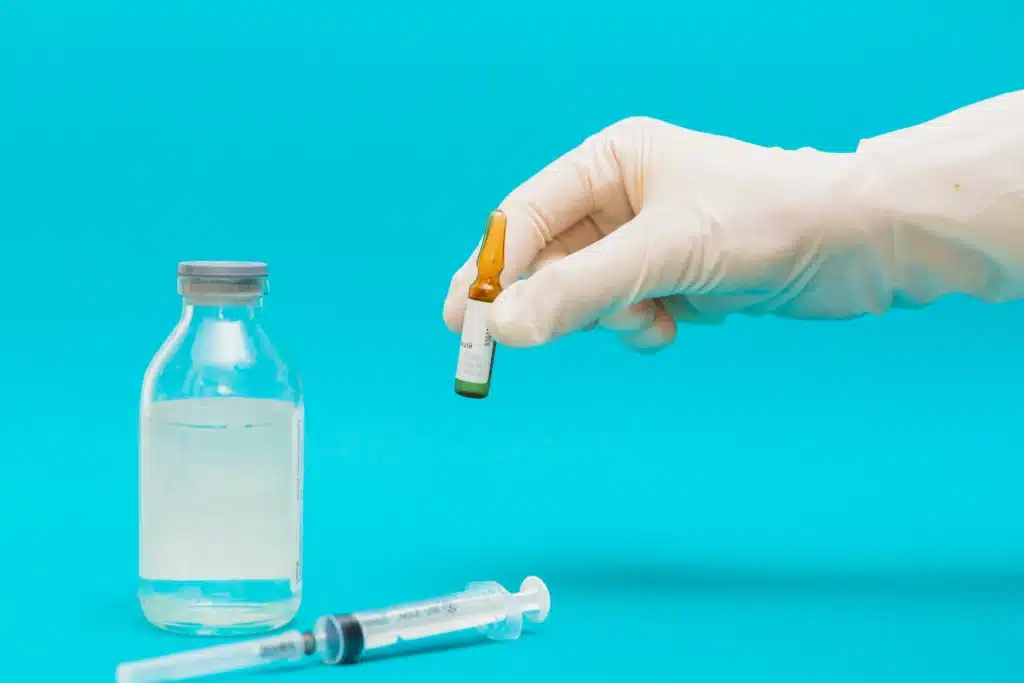
Semaglutide and tirzepatide are both injectable medications approved for weight management, but they work differently. Semaglutide (brand names Ozempic and Wegovy) activates the GLP-1 receptor, a single hormone pathway that reduces appetite and slows stomach emptying. Tirzepatide (brand names Mounjaro and Zepbound) activates two receptors: GLP-1 and GIP. That dual mechanism produces stronger appetite suppression and greater metabolic signaling in most patients. In clinical trials, tirzepatide at the highest dose produced 22.5% body weight loss compared to roughly 15% with semaglutide. Both are FDA-approved for chronic weight management. The right choice depends on your metabolic profile, not a headline. If you are comparing tirzepatide vs semaglutide, you may also be wondering whether these drugs are peptides. Both semaglutide and tirzepatide are peptides, and both act on the GLP-1 system, which is part of why they share so many effects.
How Does Semaglutide Work?
Semaglutide targets the GLP-1 receptor. GLP-1 (glucagon-like peptide-1) is a hormone your body produces naturally after eating. It tells your brain you're full, slows how quickly food leaves your stomach, and helps regulate blood sugar.
When you take semaglutide, that signal gets amplified. Appetite drops. The constant "food noise" quiets down. Patients describe it as the first time they can eat a normal portion and feel satisfied.
Brand names: Ozempic (approved for type 2 diabetes), Wegovy (approved for weight management), and Rybelsus (oral tablet form). Same molecule, different dosing and indication.
In the STEP clinical trials, patients on semaglutide 2.4 mg lost an average of 15% of their body weight over 68 weeks. For someone starting at 250 pounds, that's roughly 37 pounds.
A June 2026 study from UC San Diego, published in Nature Communications, found that semaglutide slows biological aging by 9%. The researchers measured epigenetic clocks and found that patients on semaglutide aged more slowly at the cellular level than controls. Weight loss alone didn't account for the effect. Something about GLP-1 receptor activation appears to directly influence aging pathways.
How Does Tirzepatide Work?
Tirzepatide does what semaglutide does, plus more. It activates two receptors: GLP-1 and GIP (glucose-dependent insulinotropic polypeptide). GIP is another incretin hormone involved in insulin secretion and fat metabolism. This dual agonist mechanism is why tirzepatide sometimes gets called a "dual incretin mimetic."
By hitting both receptors, tirzepatide produces greater appetite suppression and improved metabolic signaling in most patients. The GIP pathway also appears to improve how the body handles fat storage and insulin sensitivity beyond what GLP-1 alone can do.
Brand names: Mounjaro (approved for type 2 diabetes) and Zepbound (approved for weight management).
In the SURMOUNT clinical trials, tirzepatide 15 mg produced weight loss of 22.5% of body weight over 72 weeks. That's roughly 50% more weight loss than semaglutide achieved in its comparable trials. For a 250-pound patient, that's about 56 pounds.
Anthony lost 37 pounds on tirzepatide at Med Matrix. But the medication was only one piece. His care team also discovered he was a point away from pre-diabetes, something no previous doctor had caught. That's the difference between getting a prescription and getting a full workup.
Semaglutide vs Tirzepatide: Side-by-Side Comparison
This is the comparison patients ask about most. Here's how the two medications stack up across every factor that matters.
| Factor | Semaglutide | Tirzepatide |
|---|---|---|
| Mechanism | GLP-1 receptor agonist (single target) | GLP-1 + GIP dual receptor agonist |
| Brand names (diabetes) | Ozempic | Mounjaro |
| Brand names (weight loss) | Wegovy | Zepbound |
| Average weight loss | ~15% body weight (STEP trials) | ~20 to 22.5% body weight (SURMOUNT trials) |
| Max weekly dose | 2.4 mg | 15 mg |
| Administration | Weekly injection (also oral tablet: Rybelsus) | Weekly injection only |
| FDA approved for weight loss | Yes (Wegovy) | Yes (Zepbound) |
| FDA approved for diabetes | Yes (Ozempic) | Yes (Mounjaro) |
| Common side effects | Nausea, constipation, diarrhea | Nausea, diarrhea, stomach discomfort |
| Brand-name cost (no insurance) | $1,300 to $1,600/month | $1,000 to $1,200/month |
| Muscle loss risk | Present (up to 21% of weight lost may be lean mass) | Present (similar rates in trials) |
| Compounded versions | Available (FDA's shortage-period enforcement discretion ended in 2025) | Available (FDA's shortage-period enforcement discretion ended in 2025) |
Which Causes More Weight Loss: Semaglutide or Tirzepatide?
Tirzepatide wins on average. The SURMOUNT trials showed tirzepatide 15 mg produced 22.5% body weight loss compared to semaglutide 2.4 mg at roughly 15% in the STEP trials. At lower tirzepatide doses (5 mg and 10 mg), weight loss ranged from 15% to 20%, still matching or beating semaglutide.
But averages aren't your body. We've had patients lose 40+ pounds on semaglutide and patients who plateaued on tirzepatide. The clinical trial numbers show a trend, not a guarantee. Your metabolic profile, insulin sensitivity, thyroid function, hormone levels, and inflammation markers all affect how you respond to either medication.
That's why trial data is the starting point, not the whole answer. The question isn't which drug produces better averages. It's which drug matches your biology.
Is Tirzepatide Stronger Than Ozempic?
On average, yes. Ozempic is a brand name for semaglutide, which activates the GLP-1 receptor alone, while tirzepatide activates both GLP-1 and GIP. That dual mechanism produced greater average weight loss in clinical trials, roughly 22.5% of body weight versus about 15% for semaglutide. Stronger on average does not mean stronger for your body, though. Response depends on your metabolic profile, so some patients still do better on semaglutide.
What Are the Side Effects of Semaglutide and Tirzepatide?
Both medications share similar side effects, mostly gastrointestinal:
- Nausea (most common, usually worst in the first 2 to 4 weeks)
- Constipation or diarrhea
- Stomach discomfort and bloating
- Reduced appetite (the intended effect, but it can feel intense at first)
- Fatigue during dose titration
Tirzepatide tends to have similar nausea rates but may cause slightly more GI effects at higher doses because of the dual-receptor mechanism. Some patients actually tolerate tirzepatide better because the GIP pathway appears to buffer the GI response. Both medications start at a low dose and increase gradually over weeks to minimize these effects.
The bigger side effect that doesn't get enough attention: muscle loss. Both medications cause weight loss that includes lean mass, not just fat. A Stanford study published in PNAS in June 2026 found that up to 21% of weight lost on GLP-1 medications can be lean muscle tissue. That same study showed combination therapy (GLP-1 medication plus targeted resistance training and protein optimization) reduced muscle loss from 21% down to 7%.
This is why body composition tracking matters. A scale tells you total weight. It doesn't tell you whether you're losing fat or muscle. At Med Matrix, every weight loss patient gets an InBody 770 body composition scan at baseline and throughout treatment so your provider can see exactly what's changing.
How Much Does Each Medication Cost?
Cost is one of the first things patients ask about.
- Brand-name semaglutide (Wegovy): Roughly $1,300 to $1,600/month without insurance.
- Brand-name tirzepatide (Zepbound): Roughly $1,000 to $1,200/month without insurance.
- Compounded versions of both: Available at lower cost through 503B-registered compounding pharmacies, though FDA's shortage-period enforcement discretion for both ended in 2025, and availability keeps changing. Buying from unvetted online sellers carries real risk, which is why the FDA keeps sending warning letters to online GLP-1 companies.
At Med Matrix, initial onboarding (labs, InBody scan, 60-minute provider consultation) runs $1,500. Medication costs are separate and vary by protocol. We accept HSA, FSA, CareCredit, and all major cards. New patients receive a $100 voucher toward their first visit.
For a detailed breakdown of tirzepatide pricing, dosing, and what to expect financially, see our tirzepatide cost guide.
Muscle Loss on GLP-1 Medications: The Risk Nobody Talks About
Losing weight is the goal. Losing muscle along with it is not. Yet both semaglutide and tirzepatide cause lean mass loss in clinical trials. That matters because muscle drives your metabolism. Less muscle means a slower resting metabolic rate, which means your body burns fewer calories at rest, which makes maintaining weight loss harder long term.
The Stanford PNAS study from June 2026 quantified this: patients on GLP-1 monotherapy (medication alone, no structured exercise protocol) lost up to 21% of their total weight loss as lean mass. When the researchers added structured resistance training, adequate protein intake (at least 1 gram per pound of lean mass), and specific supplementation, lean mass loss dropped to 7%.
That's a threefold reduction in muscle loss just by pairing the medication with the right protocol. This is why a prescription by itself is incomplete. You need someone tracking your body composition, not just your scale weight, and adjusting your nutrition and training based on what the data shows.
Every weight loss patient at Med Matrix gets an InBody 770 scan that breaks down fat mass, lean mass, visceral fat, and water. Your provider uses that data to catch muscle loss early and adjust your plan before it compounds.
Do You Lose More Muscle on Semaglutide or Tirzepatide?
Neither medication clearly causes more muscle loss than the other. Both semaglutide and tirzepatide cause lean mass loss at similar rates in clinical trials, not just fat loss. A Stanford PNAS study from June 2026 found up to 21% of the weight lost on GLP-1 medications can be lean muscle tissue when the medication is used alone. Adding structured resistance training and protein optimization dropped that muscle loss to 7%, which is why body composition tracking matters more than scale weight on either drug.
How Does Med Matrix Decide Which One to Prescribe?
We don't start with the medication. We start with your labs.
Before prescribing either semaglutide or tirzepatide, our providers run an 80+ biomarker panel that goes far beyond what a typical weight loss clinic orders. That panel reveals the metabolic context that determines which medication fits your body.
Here's what the testing looks for and why it matters for medication selection:
Insulin resistance and blood sugar. Fasting insulin, glucose, and hemoglobin A1C show how your body processes sugar. Patients with significant insulin resistance often respond better to tirzepatide because the GIP receptor improves insulin sensitivity through a pathway semaglutide doesn't touch.
Thyroid function. Full thyroid panel: TSH, free T3, free T4, reverse T3, and thyroid antibodies. An underactive thyroid slows metabolism independently. If your thyroid is the primary driver of weight resistance, you'll lose some weight on a GLP-1 medication and plateau. Fixing the thyroid issue first (or alongside the medication) changes the outcome entirely.
Hormone levels. Testosterone, estradiol, DHEA, progesterone. Hormone imbalances affect body composition, appetite signaling, and how your body stores fat. A woman in perimenopause with declining progesterone has different metabolic needs than a man with low testosterone. The medication choice and supporting protocol shift based on this data.
Inflammatory markers. CRP, homocysteine, and ESR. Chronic inflammation interferes with weight loss and metabolic function. If inflammation is running high, your provider addresses that alongside the medication rather than hoping the medication handles everything on its own.
Body composition baseline. The InBody 770 scan shows your starting fat mass, lean mass, visceral fat, and segmental distribution. This is the baseline your provider tracks against at every follow-up to make sure you're losing fat, not muscle.
This is the functional medicine approach to weight loss. The medication is one tool in a protocol built around your full metabolic picture. That's what separates a data-driven prescription from a one-size-fits-all script.
Why Does Semaglutide Work for Some People but Not Tirzepatide?
Because response comes down to your individual metabolism, not the drug's average performance. We have seen patients lose 40 pounds or more on semaglutide while others plateau on tirzepatide. Your insulin sensitivity, thyroid function, hormone levels, and inflammation markers all shape how you respond to either medication. This is why lab testing matters more than trial averages when choosing between them.
Switching from Semaglutide to Tirzepatide
Some patients start on semaglutide and switch to tirzepatide later. Common reasons we see at our clinic:
- Weight loss has plateaued after several months on semaglutide
- GI side effects are persistent and not improving with dose adjustments
- Lab retesting shows insulin resistance that would benefit from the dual-receptor approach
- Insurance or cost changes make tirzepatide more accessible
Switching isn't as simple as swapping one prescription for the other. The dosing schedules are different, and your body needs a transition period. Your provider will typically start tirzepatide at the lowest dose (2.5 mg) regardless of where you were on semaglutide, then titrate based on your response and labs.
For the full protocol on transitioning between medications, including dose mapping and what to expect, see our semaglutide-to-tirzepatide switching guide.
New Research: What 2026 Studies Show About GLP-1 Medications
The science around these medications is moving fast. Two studies published in June 2026 are worth knowing about.
Stanford PNAS (June 2026): Muscle preservation during GLP-1 therapy. Researchers found that patients on GLP-1 monotherapy lost up to 21% of their total weight loss as lean muscle mass. When structured resistance training and protein optimization were added, muscle loss dropped to 7%. This confirms what functional medicine providers have been saying: the medication works better when it's part of a broader protocol, not used alone.
UC San Diego, Nature Communications (June 2026): Semaglutide slows biological aging. Researchers measured epigenetic aging markers in patients taking semaglutide and found biological aging slowed by 9% compared to controls. The effect went beyond what weight loss alone could explain, suggesting GLP-1 receptor activation has direct anti-aging properties at the cellular level. This is early-stage research, but it adds a new dimension to why these medications matter beyond the scale.
Both studies reinforce the same point: GLP-1 medications are more complex than "weight loss drugs." How you use them, what you pair them with, and what you monitor while taking them all affect the outcome. A third 2026 finding points the same way: research tying GLP-1 use to lower heart-rhythm risk, even in patients who did not lose weight.
Who Should Consider Semaglutide vs Tirzepatide?
There is no universal answer. Both medications work. Your choice should come from your lab data and your provider's clinical judgment, not from reading headlines or comparing brand names.
That said, general patterns emerge from the research and from what we see in our clinic:
Semaglutide may be a better fit if:
- You have moderate weight to lose (15 to 30 pounds)
- Your insulin sensitivity is relatively intact
- You want the option of an oral tablet (Rybelsus) instead of injections, a choice we weigh out in our GLP-1 pills vs injections guide
- Cost or insurance coverage favors semaglutide for your situation
- You've responded well to GLP-1 medications in the past
Tirzepatide may be a better fit if:
- You have significant insulin resistance (elevated fasting insulin, A1C trending upward)
- You need more aggressive weight loss (40+ pounds)
- You've plateaued on semaglutide
- Your metabolic panel shows multiple drivers (insulin, inflammation, hormone imbalance) that benefit from dual-receptor activation
- Your provider recommends the dual agonist approach based on your lab results
What Happens When You Start at Med Matrix
Your first visit is a 30-minute testing appointment. We draw blood for the 80+ biomarker panel and run an InBody 770 body composition scan. Your provider reviews everything before your one-hour consultation, where you go over every result together and build your plan.
If a GLP-1 medication fits your profile, your provider prescribes it as part of a medical weight loss protocol that includes nutrition guidance, body composition tracking, and ongoing lab monitoring. Follow-up visits track your progress and adjust your plan as your body responds.
With 190+ reviews at a 4.8-star rating and over 3,000 patients served, our team in South Portland, Maine has the data and the experience to match you with the right medication and the right supporting protocol.
Frequently Asked Questions
Is tirzepatide better than semaglutide for weight loss?
Tirzepatide showed greater average weight loss in clinical trials (22.5% vs 15% body weight). But "better" depends on your body. Some patients respond more strongly to semaglutide. Patients with significant insulin resistance tend to benefit more from tirzepatide's dual-receptor mechanism. The right answer comes from your lab results and health history, not trial averages.
Can you switch from semaglutide to tirzepatide?
Yes. Patients switch for plateau, persistent side effects, or provider recommendation based on updated labs. Your provider will restart tirzepatide dosing at 2.5 mg and titrate up based on your response. Read our full switching guide for dose mapping and timelines.
What is the difference between Mounjaro and Zepbound?
Same molecule (tirzepatide), different FDA indications. Mounjaro is approved for type 2 diabetes. Zepbound is approved for chronic weight management. Your provider chooses based on your diagnosis and what makes sense for your coverage. See our tirzepatide dosage chart for the full dose schedule.
How much does tirzepatide cost compared to semaglutide?
Brand-name pricing is similar ($1,000 to $1,600/month without insurance). Compounded versions can reduce that cost significantly. At Med Matrix, medication cost is separate from the onboarding labs and consultation ($1,500). Check our tirzepatide cost breakdown for current pricing details.
Which medication has fewer side effects?
Side effect rates are comparable. Some patients tolerate tirzepatide better because the GIP receptor may buffer GI symptoms. Others do better on semaglutide's single-receptor approach. Slow dose titration reduces side effects for both. The Stanford June 2026 study also showed that muscle loss (a less-discussed side effect) can be reduced from 21% to 7% with the right combination protocol.
Do GLP-1 medications cause muscle loss?
Yes. Both semaglutide and tirzepatide cause some lean mass loss alongside fat loss. The Stanford PNAS June 2026 study found up to 21% of weight lost can be muscle on medication alone. Structured resistance training and protein optimization reduced that to 7%. This is why body composition tracking with an InBody scan matters more than scale weight alone.
Can I take semaglutide or tirzepatide without a prescription?
No. Both are prescription medications that require medical supervision. At Med Matrix, we run an 80+ biomarker panel before prescribing to make sure the medication is appropriate for your metabolic profile and to establish a baseline for monitoring.
Get Your Free Guide + $100 Voucher and find out which approach matches your body. Your first step is the lab work, not the prescription.