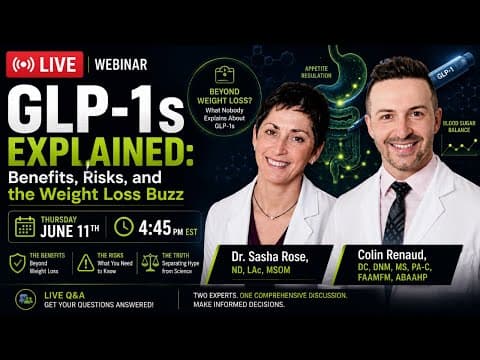
GLP-1 Medications: Every Option Explained for Weight Loss and Diabetes

Physician Assistant · BHRT Specialist · Updated July 18, 2026

Did you know that nearly a third of adults in the United States are either overweight or obese? This is a big problem. GLP-1 medications are a new solution. They help with diabetes and weight loss by controlling hunger and insulin.
GLP-1 medications have been around since 2005. They keep getting better, with options like Dulaglutide, Liraglutide, and Semaglutide. At Med Matrix, we use these to help people manage their weight. If you’re interested, learning about these medications is key.
Key Takeaways
- GLP-1 medications are mainly for diabetes and weight loss.
- These injections help control hunger and insulin.
- First approved in 2005, the class includes Dulaglutide, Liraglutide, and Semaglutide.
- Med Matrix uses these in their weight management plans.
- They help people lose weight and control blood sugar.
For more info on GLP-1 medications for Type 2 diabetes, check this Mayo Clinic resource. For studies on Semaglutide, see this detailed study on its weight loss benefits.
At Med Matrix, we use these to help people manage their weight. Learn more about semaglutide for weight loss in South Portland.
What Are GLP-1 Medications and How Do They Work?
We aim to explain GLP-1 medications to help manage weight and health. This knowledge helps patients make better choices for their care.
What are GLP-1 Medications?
GLP-1 medications, like Ozempic and Trulicity, are injectable drugs. They work like the glucagon-like peptide-1 hormone. These drugs help with weight and diabetes management.
How Do They Work in the Body?
GLP-1 medications work in several ways. They help release insulin when you eat, keeping blood sugar in check. They also stop the release of glucagon, which lowers blood sugar. Plus, they make you feel full longer.
Benefits Beyond Weight Loss
GLP-1 medications do more than help with weight. They also improve heart health. They may help prevent heart disease and stroke. These drugs are good for people with metabolic issues too.
| Brand | Main Function | Additional Benefits |
|---|---|---|
| Ozempic | Glucose Control | Cardiovascular Health |
| Trulicity | Weight Management | Prevention of Heart Disease |
The Role of GLP-1 in Weight Management
GLP-1 medications help with weight management in two main ways. They control hunger and manage blood sugar levels. These actions help people lose weight and improve their metabolic health.
Appetite Regulation
GLP-1 medications work by making you feel full for longer. They slow down how fast food leaves your stomach. This means you eat fewer calories.
They also affect the brain’s hunger centers. This makes them a great tool for those trying to eat less and lose weight.
Impact on Glucose Control
GLP-1 medications do more than just control hunger. They also help manage blood sugar levels. They increase insulin and decrease glucagon in the pancreas.
This helps keep blood sugar levels stable. It’s very helpful for people with Type 2 diabetes. The better blood sugar control also helps with weight loss.
Common GLP-1 Medications on the Market
Knowing about GLP-1 medications is key for managing weight and diabetes. This part will explore top medications, their benefits, and what sets them apart.
When comparing GLP-1 medications, look at how well they work, their safety, and extra benefits. Check our Tirzepatide vs Semaglutide comparison for more details.
Semaglutide
Semaglutide, sold as Ozempic, is known for controlling blood sugar and aiding in weight loss. It helps patients lose a lot of weight, making it great for long-term weight control.
Tirzepatide
Tirzepatide, or Mounjaro, works in a new way. It acts on two receptors, GLP-1 and GIP, to better control blood sugar and weight. This makes Tirzepatide a strong choice for weight loss.
Comparison of Popular Brands
When comparing GLP-1 medications, look at how well they work, their safety, and extra benefits. Semaglutide and Tirzepatide each have unique benefits for different needs and goals.
| Medication | Brand Name | Mechanism | Primary Benefits | Side Effects |
|---|---|---|---|---|
| Semaglutide | Ozempic | GLP-1 receptor agonist | Reduces appetite, lowers blood glucose, significant weight loss | Nausea, vomiting, diarrhea |
| Tirzepatide | Mounjaro | GLP-1 and GIP receptor agonist | Enhanced weight loss, improved glucose control | Nausea, decreased appetite, GI symptoms |
Who Can Benefit from GLP-1 Medications?
Figuring out who can take GLP-1 medication involves looking at their health closely. These drugs are mainly for adults with obesity or weight issues and Type 2 diabetes. They also help with heart and kidney diseases. But, it’s key to talk to doctors to make sure these meds are right for you, considering any health issues that might make treatment tricky.
Eligible Patient Profiles
GLP-1 medications work well for several groups:
- Adults with obesity who can’t lose weight the usual way.
- People with Type 2 diabetes who need help controlling their blood sugar.
- Those with heart problems looking to improve their heart health.
- Patients with chronic kidney disease who need help with weight and treatment.
Pre-existing Conditions
When it comes to GLP-1 pre-existing conditions, it’s important to be open about your health. Certain conditions, like medullary thyroid cancer or pancreatitis, mean you shouldn’t take these meds. Doctors need to carefully check your health to make sure GLP-1 medications are safe for you.
Who Should Not Take GLP-1 Medications?
GLP-1 medications are not safe for everyone. Conditions like medullary thyroid cancer or a history of pancreatitis mean you should not take these medications. Because they carry specific risks, it helps to be open about your full health history so a provider can confirm whether GLP-1 therapy fits into your weight loss treatment plan.
The Science Behind GLP-1 and Weight Loss
Exploring the GLP-1 mechanism of action reveals how these drugs help with weight loss. They work by controlling insulin levels and reducing hunger. This makes it easier to manage weight.
Mechanism of Action
GLP-1 medications mimic the natural GLP-1 hormone in our gut. This hormone helps control blood sugar by boosting insulin when we eat. It also slows down digestion and tells our brain we’re full, cutting down on how much we eat.
This complex action is why GLP-1 mechanism of action is so good at helping us lose weight.
Clinical Studies and Findings
Many GLP-1 clinical studies show these drugs are effective for weight loss and better health. People in these studies saw big drops in A1C levels and kept losing weight over time. These findings highlight GLP-1 treatments’ potential to tackle metabolic syndrome and improve health.
Personalized Protocols at Med Matrix
At Med Matrix, we think personalized protocols are key to good health. We focus on making treatment plans that fit each person’s needs. This way, we give each patient care that’s just right for them.
Tailored Treatment Plans
We start by looking closely at each patient’s health. This helps us create treatment plans that use many different methods. We even use GLP-1 medications in a new way.
By making treatment plans just for each person, we can tackle specific health problems. This leads to better and longer-lasting results.
Integration with Other Therapies
Med Matrix is known for blending different therapies together. We use GLP-1 medications, but also add peptide therapy and regenerative treatments. This mix helps us tackle health problems from all angles.
Our aim is to improve patients’ health in a big way. We want to do more than just treat symptoms. We want to make patients feel better overall.
| Treatment Approach | Key Benefits | Integration Examples |
|---|---|---|
| GLP-1 Medications | Appetite regulation, improved glucose control | Peptide Therapy for enhanced metabolic function |
| Regenerative Treatments | Tissue repair, anti-aging benefits | Integrates with GLP-1 to promote holistic health |
| Peptide Therapy | Hormonal balance, increased energy levels | Combination with GLP-1 for targeted weight management |
Overall Health Benefits of GLP-1 Medications
GLP-1 medications do more than help with weight loss. They bring many health benefits, making them a key part of today’s treatments.
Cardiovascular Health
GLP-1 medications have a big plus for heart health. They help control blood sugar by making insulin and stopping glucagon. This can lower heart disease risks. They also improve blood vessel function and cut down on inflammation, helping the heart.
Learn more about GLP-1 cardiovascular benefits here.
Improvement in Metabolic Conditions
GLP-1 medications also boost metabolic health. They lower bad cholesterol and improve health in people with diabetes and obesity. They slow down digestion and make you feel fuller, helping you eat less and lose weight.
These benefits show why GLP-1 therapies are important for metabolic health GLP-1 issues.
What Are the Side Effects of GLP-1 Medications?
GLP-1 medications offer many benefits, but they also come with concerns and side effects. These can help with weight management and health, but it’s important to know about possible reactions and long-term safety. This knowledge helps us make informed choices.
Common Side Effects
Common side effects include nausea, diarrhea, and low blood sugar, often when used with other diabetes treatments. Nausea usually goes away as your body gets used to the medication. But, it’s key to watch for any lasting or severe side effects and talk to your doctor about them.
Long-Term Safety Considerations
Research is ongoing to understand the long-term safety of GLP-1 medications. Studies are looking at how they affect heart health and metabolic conditions over time. Animal studies have shown a possible risk of thyroid tumors, which highlights the need for careful monitoring and patient-specific evaluations for long-term use.
The Med Matrix Approach to Functional Medicine
At Med Matrix, we focus on functional medicine in a big way. We mix the newest medical science with old, trusted care methods. We look for the real causes of health problems, not just the symptoms. This way, we find lasting solutions for better health.
At Med Matrix, we focus on functional medicine in a big way. We mix the newest medical science with old, trusted care methods through our functional medicine in South Portland approach.
Holistic and Regenerative Treatments
We use holistic treatments and regenerative therapies at our practice. We treat the whole person, not just the symptoms. This might include changing diets, lifestyles, and using integrative therapies.
Regenerative treatments, like stem cell therapy, help the body heal itself. They work at a cellular level to restore health. This approach gives our patients care that really works for them.
Working with Functional-Trained Providers
Our team is full of providers who know functional medicine well. They use many tools and methods to create care plans just for you. This approach helps solve health problems and makes you stronger.
Choosing Med Matrix means you’re in for a partnership. We’re all about finding the best ways to keep you healthy with the latest science.
Choosing Med Matrix means you’re in for a partnership. Schedule your consultation today to discuss GLP-1 options.
Frequently Asked Questions
What are GLP-1 medications?
GLP-1 medications are injectable drugs, like Ozempic and Trulicity, that mimic the natural glucagon-like peptide-1 hormone. They help the body release insulin when you eat, slow digestion, and signal fullness to the brain. This makes them useful for managing both Type 2 diabetes and weight.
What are examples of GLP-1 medications?
Common GLP-1 medications include Semaglutide, sold as Ozempic, and Tirzepatide, sold as Mounjaro. Semaglutide targets the GLP-1 receptor, while Tirzepatide acts on both the GLP-1 and GIP receptors. The class has been available since 2005 and also includes Dulaglutide and Liraglutide.
How do GLP-1 medications help with weight loss?
GLP-1 medications support weight loss in two main ways. They make you feel full for longer by slowing how fast food leaves your stomach, so you eat fewer calories. They also steady blood sugar by increasing insulin and lowering glucagon, which helps with weight loss too.
What are the side effects of GLP-1 medications?
Common side effects of GLP-1 medications include nausea, diarrhea, and low blood sugar, especially when combined with other diabetes treatments. Nausea usually fades as your body adjusts to the medication. Animal studies have shown a possible risk of thyroid tumors, so long-term use needs careful monitoring.