
Sermorelin for Men: How This Peptide Supports Growth Hormone, Energy, and Recovery

Forbes Health Advisory Board · Naturopathic Doctor · Updated July 18, 2026
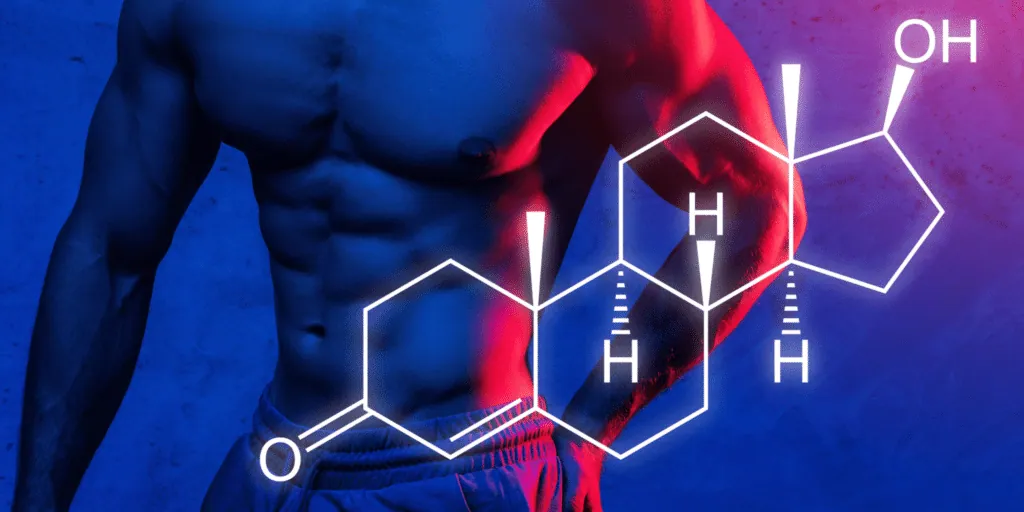
You used to recover fast. Sleep hard. Wake up with energy and focus that lasted all day. Now you're dealing with a version of yourself that feels softer, slower, foggier, and more beat up after workouts than you were five or ten years ago. Your doctor says your labs look "fine." Maybe you've been offered an antidepressant or told to get more sleep.
If that's where you are, sermorelin is worth understanding. Not as a magic fix, but as one tool inside a larger plan that addresses why you feel the way you do.
This guide covers what sermorelin actually is, how it works for men, what the real benefits look like, and how we use it at Med Matrix in South Portland, Maine as part of a functional medicine approach.
What Is Sermorelin and How Does It Work?
Sermorelin is a growth hormone-releasing hormone (GHRH) analog. It's a peptide (a short chain of amino acids) that signals your pituitary gland to produce and release more of your own growth hormone (GH).
This distinction matters. Sermorelin does not inject synthetic growth hormone into your body. It tells your body to make more of what it already produces naturally. Your pituitary still controls the process. Your feedback loops stay intact. That's why sermorelin carries a much lower risk profile than exogenous HGH (human growth hormone) injections.
When your pituitary releases more GH, your liver converts it into IGF-1 (insulin-like growth factor 1). IGF-1 is the downstream marker we track in labs, and it influences muscle protein synthesis, fat metabolism, cellular repair, bone density, and recovery speed.
Colin Renaud, PA-C, one of our providers, explains it to patients as a nudge rather than a replacement. Your body still does the work. Sermorelin just restores a signal that's gotten weaker with age.
Why Growth Hormone Declines in Men
GH production peaks in your late teens and early twenties. After that, it drops roughly 14% per decade. By the time you're 40, you may be producing half the GH you made at 20. By 60, you're often running on a fraction of what your body needs for efficient repair, recovery, and metabolic function.
This decline (sometimes called somatopause) doesn't show up on a standard blood panel. Most primary care doctors don't check IGF-1 unless you specifically ask. So men walk around for years with symptoms that are actually linked to declining GH output, and they're told it's just aging.
Symptoms of low GH in men include:
- Losing muscle despite consistent training
- Gaining belly fat that doesn't respond to diet or exercise
- Poor sleep quality, especially reduced deep sleep
- Slow recovery from workouts, injuries, or illness
- Low energy that doesn't improve with rest
- Brain fog, poor concentration, reduced mental sharpness
- Joint stiffness and nagging aches
- Thinning skin and slower wound healing
Any of these in isolation could have multiple causes. Several of them together, especially in a man over 35, raise the question of whether GH signaling needs support.
Sermorelin Benefits for Men
Sermorelin isn't going to make you feel 25 again overnight. What it can do, when combined with proper nutrition, training, sleep optimization, and hormonal balance, is meaningful.
Body Composition
GH plays a direct role in lipolysis (fat breakdown) and muscle protein synthesis. Men using sermorelin as part of a structured program (one that includes adequate protein intake and resistance training) often see improvements in lean mass and reductions in visceral fat over three to six months. This isn't the same as a weight loss drug. Sermorelin supports the metabolic environment that makes your training and nutrition more effective.
Sleep Quality
GH is primarily released during deep sleep (stages 3 and 4). When GH signaling improves, many men report falling asleep faster, staying asleep longer, and waking up feeling more restored. Better sleep then feeds back into better recovery, better hormone production, and better daytime energy. It's a compounding effect.
Recovery and Joint Health
Slower recovery is one of the most frustrating parts of getting older as a man. You used to lift heavy, play a sport on the weekend, and feel fine Monday morning. Now a hard workout leaves you sore for three days. Sermorelin supports the cellular repair processes that GH drives. Men often notice this within the first four to eight weeks: less post-workout soreness, less joint stiffness in the morning, fewer of those nagging injuries that never seem to fully heal.
Energy and Mental Clarity
The afternoon crash. The foggy feeling where you read the same paragraph three times. The loss of drive and motivation you can't explain. These are symptoms men bring to us constantly, and declining GH is frequently part of the picture alongside thyroid issues, testosterone levels, and chronic fatigue patterns. When GH output improves, patients describe feeling sharper, more motivated, and more like themselves.
Skin and Aging
GH supports collagen production and skin elasticity. Men on sermorelin sometimes notice improvements in skin quality and thickness over time. This is a slower benefit, typically visible after four to six months, but it reflects the deeper cellular repair happening throughout the body.
Sermorelin vs. HGH: Why We Prefer Sermorelin
Synthetic HGH (somatropin) injects growth hormone directly into your body. It bypasses your pituitary gland entirely. This can produce results, but it also carries significant risks: joint pain, carpal tunnel syndrome, insulin resistance, and potential effects on tumor growth. It also suppresses your body's natural GH production over time.
Sermorelin works differently. It stimulates your own pituitary to release GH in a pulsatile, physiologic pattern, the way your body is designed to produce it. More natural peaks and troughs. A lower risk profile. No suppression of your endogenous production.
For most men, sermorelin (or similar GHRH peptides like CJC-1295/Ipamorelin) provides meaningful benefits without the risks associated with exogenous HGH.
Is Sermorelin Safe for Men?
Sermorelin is considered low-risk for most men because it stimulates your own pituitary gland to release growth hormone in a natural, pulsatile pattern rather than injecting synthetic hormone. Your feedback loops stay intact and your body keeps control of the process, which is why sermorelin carries a much lower risk profile than exogenous HGH.
Common side effects are mild, such as redness at the injection site, occasional headaches, or temporary flushing. Sermorelin is typically not appropriate for men with active cancer, uncontrolled diabetes, or certain pituitary conditions, so your provider reviews your full history before prescribing.
Sermorelin vs. Testosterone: Different Problems, Different Tools
Sermorelin and testosterone replacement therapy (TRT) are not interchangeable. They don't solve the same problem.
Testosterone addresses low T levels directly. If your total and free testosterone are genuinely low (not just "low-normal" on a broad reference range), TRT can improve energy, libido, mood, muscle mass, and bone density.
Sermorelin addresses declining GH signaling. It supports recovery, sleep, body composition, and cellular repair through a completely different hormonal pathway.
Some men need one. Some need both. Some need neither because the real issue is thyroid, cortisol, insulin resistance, or nutrient deficiencies. The only way to know is through thorough lab testing that looks at the full picture, not just one number in isolation.
We run 80+ biomarkers before recommending any therapy. IGF-1, full thyroid panels (TSH, free T3, free T4, reverse T3, antibodies), total and free testosterone, SHBG, DHEA-S, fasting insulin, inflammatory markers, and body composition. If sermorelin is appropriate, it gets layered in alongside everything else. If it's not, we don't prescribe it.
How We Use Sermorelin at Med Matrix
Peptides don't get prescribed in a vacuum here. Our process ensures sermorelin only enters the picture when the data supports it and the foundation is in place.
Testing. Our 80+ biomarker panel includes IGF-1, full hormonal panels, metabolic markers, inflammation, nutrients, and an InBody body composition scan. This tells us whether your GH axis actually needs support, and what else is going on.
Provider review. Your provider reviews every result, cross-references symptoms with biomarker patterns, and identifies root causes. Our team sees these patterns across the 3,000+ patients we've treated.
60-minute consultation. You sit down with your provider for a full hour. No 15-minute appointments. Every result gets discussed in detail and a personalized plan gets built together. If sermorelin fits, you'll discuss dosing, timing, and what to expect. If it doesn't fit, you'll hear that too.
Ongoing monitoring. Peptide therapy isn't "set it and forget it." We recheck labs, track body composition changes, and adjust dosing based on how you respond. Men in our men's health program have direct access to their care team between visits.
What to Expect: Realistic Timeline
Sermorelin isn't a stimulant. You won't feel a rush after your first injection. Results build gradually as your GH output improves and your body starts using it for repair, recovery, and metabolic function.
- Weeks 1 to 4: Most men notice improved sleep quality first. Falling asleep faster, sleeping deeper, waking less often during the night.
- Weeks 4 to 8: Recovery improvements. Less post-workout soreness, less morning stiffness, and the beginning of better sustained energy through the day.
- Months 2 to 4: Body composition shifts become visible. Less belly fat, more visible muscle definition if training and nutrition are consistent.
- Months 4 to 6: Cumulative effects on skin quality, mental clarity, and overall vitality. This is where men typically say they feel like a different person compared to six months prior.
These timelines assume sermorelin is part of a full plan. If your thyroid is tanked, your testosterone is low, you're eating 80 grams of protein a day, and you're sleeping five hours a night, a peptide alone isn't going to fix the problem. The foundation matters.
Who Is a Good Candidate?
Sermorelin tends to work best for men who:
- Are 30 to 65 and experiencing declining energy, recovery, or body composition
- Have lab-confirmed low or low-normal IGF-1 levels
- Are already training, eating adequately, and sleeping reasonably (or willing to commit to these)
- Want to support GH naturally rather than using synthetic HGH
- May be on TRT and looking for complementary support for recovery and body composition
Sermorelin is typically not appropriate for men with active cancer, uncontrolled diabetes, or certain pituitary conditions. Your provider will review your full history before prescribing.
Why Most "Peptide Clinics" Get It Wrong
The peptide market has exploded in the last few years, and not all of it is good medicine. Telehealth services that prescribe sermorelin based on a five-minute questionnaire without lab work are cutting corners.
What separates a legitimate peptide therapy program from a prescription mill:
- Labs before any prescription. Always. No exceptions.
- A provider who reviews your full hormonal, metabolic, and inflammatory picture, not just IGF-1 in isolation
- Ongoing monitoring with repeat labs and dosing adjustments
- Integration with the rest of your health plan: nutrition, training, sleep, thyroid, testosterone, stress management
Peptides are one tool among many at Med Matrix. We prescribe them when the data supports it and the patient is committed to the bigger picture. With 190+ Google reviews at a 4.8-star rating, the results speak for themselves.
Frequently Asked Questions
Is sermorelin the same as HGH?
No. HGH (somatropin) is synthetic growth hormone injected directly into the body. Sermorelin is a peptide that stimulates your pituitary gland to release more of your own natural growth hormone. The mechanism, risk profile, and long-term effects are very different. Sermorelin preserves your body's natural feedback loops. Exogenous HGH can suppress them.
How long does it take for sermorelin to start working?
Most men notice sleep improvements within the first two to four weeks. Recovery and energy changes typically appear between weeks four and eight. Body composition shifts become visible around months two to four. Full benefits (including skin quality and sustained vitality) develop over four to six months of consistent use alongside proper nutrition and training.
Can I take sermorelin with testosterone replacement therapy?
Yes. Sermorelin and TRT work through different hormonal pathways and can complement each other. Many men in our men's health program use both. Whether you need one or both depends on your lab results, symptoms, and goals. We never prescribe based on assumptions.
What are the side effects of sermorelin?
Common side effects are mild: redness or irritation at the injection site, occasional headaches, and temporary flushing. Because sermorelin stimulates natural GH production rather than replacing it, serious side effects are uncommon when prescribed and monitored properly. Your provider will review your specific risk profile during your consultation.
Find out if sermorelin belongs in your plan. Schedule a free discovery call and start with the lab work that shows exactly what your body needs.