
PRP Joint Injections: How Platelet-Rich Plasma Therapy Works for Joint Pain

Forbes Health Advisory Board · Naturopathic Doctor · Updated June 4, 2026
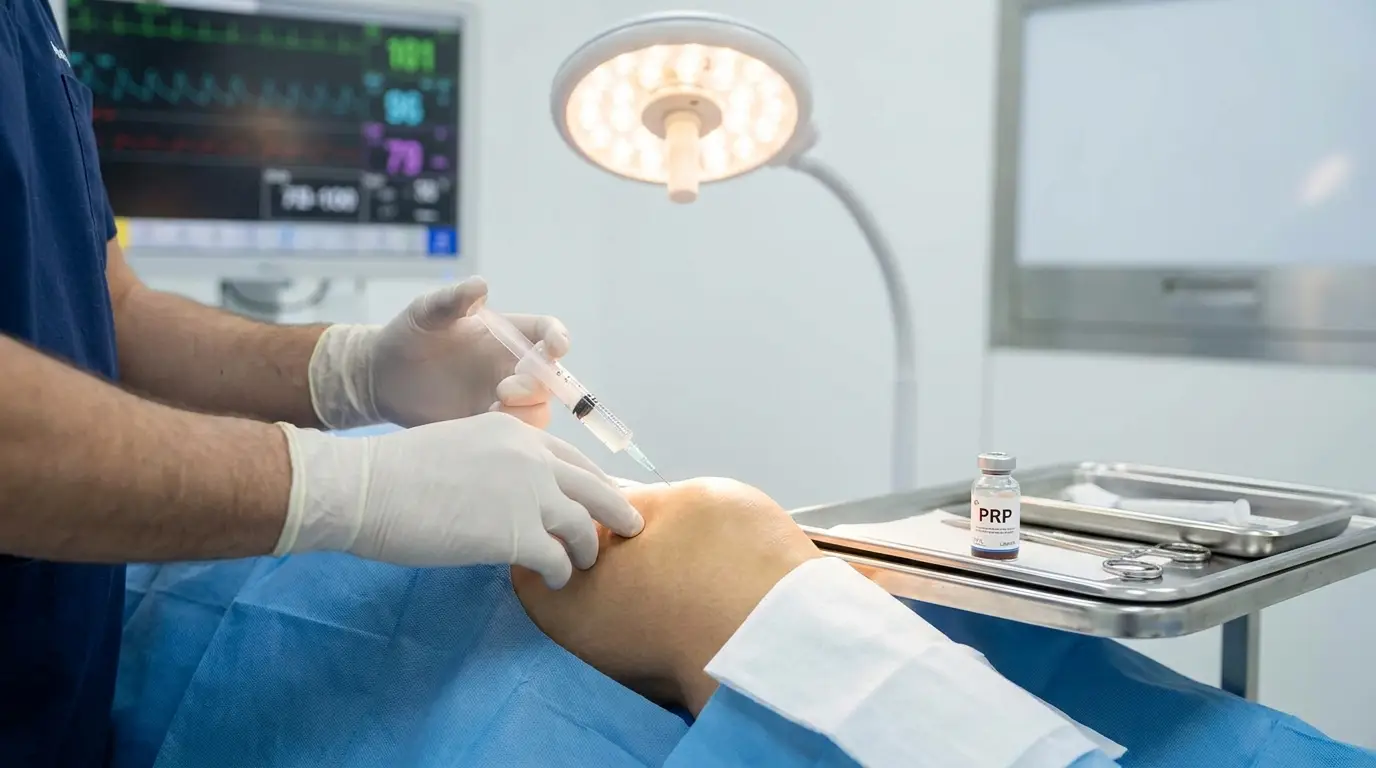
Did you know over 54 million Americans suffer from joint pain due to arthritis? Many are looking for natural ways to feel better. PRP joint injections are a new, effective treatment. It uses your body’s own healing powers to fix damaged tissues and reduce pain.
PRP therapy for joints is gaining popularity. It’s a great choice for those who don’t want to deal with medication side effects. By using your own blood, PRP injections offer a natural way to ease joint pain. It helps with conditions like osteoarthritis and tendon injuries. PRP therapy makes joints work better and reduces swelling, helping you stay active.
Key Takeaways
- PRP joint injections use your own blood to naturally reduce pain and promote healing.
- This innovative treatment avoids the complications often associated with surgical interventions and long-term medication use.
- PRP therapy for joints is very effective for chronic conditions such as osteoarthritis and tendon injuries.
- Patients usually see better joint function and less inflammation after the treatment.
- PRP injections offer a natural alternative for those seeking effective joint pain relief.
What Are PRP Joint Injections?
PRP joint injections use your body’s healing powers to fight joint pain. They use platelets and growth factors from your blood to fix damaged tissues. This method is becoming popular for its ability to ease pain and improve joint function.
Understanding Platelet-Rich Plasma Therapy
Platelet-rich plasma therapy, or PRP therapy, takes platelets from your blood. These platelets have growth factors that help heal tissues. Injecting them into joints can help with conditions like osteoarthritis and tendonitis.
It’s a natural way to fix damaged cells without using medicines. This makes it a great option for those looking for a drug-free solution.
How PRP is Derived from Your Blood
Getting PRP starts with a blood draw from you. The blood is then spun in a centrifuge to separate its parts. This process isolates the plasma rich in platelets for injection.
By injecting this plasma into your joint, you get a boost of healing factors. This careful process makes PRP therapy safe and effective, using only your own material.
Benefits of PRP Joint Injections
PRP joint injections are a new way to tackle joint pain and aid in recovery. They use the body’s own healing powers. This means no synthetic meds are needed.
Natural Healing Without Medications
The PRP injection benefits come from its natural makeup. It’s made from the patient’s own blood, packed with growth factors. These factors are key for fixing tissues. It’s a natural fix that’s safe and works well.
Reducing Inflammation and Pain
One big PRP injection benefit is fighting inflammation right where it hurts. The injection’s platelets and growth factors go straight to the problem. This makes the PRP injection healing process faster and eases pain. It helps lessen the pain of joint issues.
Improving Joint Function and Mobility
PRP injections boost the body’s healing, making joints work better. People see their joints move more freely and work better. This means a better life quality. The PRP injection healing process helps fix damaged tissues, keeping joints mobile.
Conditions Treated with PRP Injections
Platelet-Rich Plasma (PRP) injections are a new way to treat many medical issues. They use the body’s own healing to fix problems. This makes PRP therapy a good, easy option for many serious conditions.
Osteoarthritis and Degenerative Joint Diseases
Osteoarthritis makes joints hurt, stiff, and hard to move. PRP therapy for knee osteoarthritis is showing great promise. It helps keep joints lubricated and eases pain. This natural method is a good choice instead of old treatments.
Tendon Injuries and Ligament Damage
Tendonitis and ligament injuries, like sprains or tears, can be tough to heal. PRP injections help by speeding up healing and reducing pain. This is great for people with long-term tendon issues.
Sports Injuries and Chronic Pain
Sports injuries can cause long-term pain and joint problems. PRP injections are used in sports medicine to treat many issues. They help fix the pain and swelling at the source, offering a full solution for injuries.
Learn more about these treatments at Med Matrix Orthopedic and Musculoskeletal Services.
The PRP Injection Process Explained
The PRP joint treatment is a detailed process. It aims to relieve pain and improve joint function naturally.
Initial Consultation and Assessment
We start with a thorough check of your medical history and joint health. This helps us understand your condition. Then, we tailor the PRP injection to fit your needs perfectly.
Preparation of PRP
Next, we prepare the platelet-rich plasma. We take a small amount of your blood and spin it in a centrifuge. This makes the plasma rich in platelets, which help heal and regenerate.
Injection Procedure and Aftercare
When the PRP is ready, we inject it into the joint area. We use precise image-guidance for accuracy. The procedure is designed to be as comfortable as possible.
After the injection, you might feel some soreness. But there’s little downtime. We give you simple care instructions to manage any discomfort and speed up your recovery.
Who Can Benefit from PRP Injections?
Are you looking for non-surgical ways to manage chronic pain or joint issues? Many people are searching for natural solutions. PRP injections might be the answer, using your body’s own healing powers.
Candidates for PRP Therapy
Those with joint damage, chronic pain, or injuries like tendon or ligament damage are good candidates. This therapy is great for those who haven’t seen results from other treatments. We aim to help you recover and improve your life.
Considerations Before Treatment
We check the extent of joint damage and your overall health before starting PRP therapy. It’s important to make sure there are no health issues that could affect the treatment’s success. Personalized plans help target the source of your pain.
Success Stories and Testimonials
Many PRP joint injection success stories show its potential benefits. Patients have seen big improvements in joint function and less pain. Our patients often share how they’ve regained activities they thought were lost.
Med Matrix: Your Partner in PRP Therapy
At Med Matrix, we lead in regenerative medicine with our facilities in South Portland, Maine, serving patients from throughout Maine and New Hampshire. We focus on patient care from the start to follow-ups. This is our promise.
Locations in South Portland, Maine, serving patients from throughout Maine and New Hampshire
Med Matrix is in South Portland, Maine, serving patients from throughout Maine and New Hampshire. We bring PRP treatments to your area. Our clinic has the latest tech and skilled staff. Our team cares about your health and comfort.
Personalized Treatment Protocols
We know everyone is different. So, we create PRP plans just for you. We assess your condition and make a treatment plan that works best for you. Med Matrix aims for the best care for each patient.
A Holistic Approach to Joint Health
Med Matrix tackles joint issues at their source. We use advanced lab tests to create detailed treatment plans. This way, we help you heal and improve your joint health for the long term.
Innovations in Regenerative Medicine at Med Matrix
At Med Matrix, we’re leading the way in regenerative medicine. We offer our patients the latest in therapy options. Our approach is based on the latest research and a focus on personalized care.
Overview of Regenerative Therapies Offered
We offer a variety of regenerative therapies to help your body heal naturally. These include:
- Platelet-Rich Plasma (PRP) Therapy
- Stem Cell Treatments
- Peptide Therapy
These therapies use your body’s own healing powers. They provide new solutions for many conditions and injuries.
Combining PRP with Other Treatments
We also combine PRP with other therapies. This mix, including stem cells and peptides, boosts healing. It offers a complete treatment approach.
Our unique combination therapy strategy targets healing from all angles. This greatly improves patient results.
This combination not only increases treatment benefits. It also speeds up recovery. It’s a strong option for patients.
Importance of Advanced Lab Testing
Advanced lab testing is key to our regenerative medicine. We use detailed tests to create treatment plans just for you.
- Personalized Treatment Plans: Solutions based on your unique biomarkers.
- Accurate Diagnoses: We find and fix the cause of your condition.
- Enhanced Monitoring: We track your progress to make your treatment even better.
Our careful approach raises the bar in regenerative medicine. It opens doors to new breakthroughs.
PRP therapy for joints is gaining popularity. Explore advanced testing for PRP therapy at Med Matrix.
Customized Care: Working with Functional Medicine Providers
At Med Matrix, we focus on functional medicine. We don’t just treat symptoms. We find and fix the real causes of health problems. Our care is both modern and holistic, tailored to each person.
At Med Matrix, we lead in regenerative medicine with our facilities in South Portland, Maine, serving patients from throughout Maine and New Hampshire. Learn more about functional medicine in South Portland.
The Role of Functional-Trained Providers
Our providers are key to our personalized care. They use the latest science and holistic medicine. This way, they create treatments that fit each patient’s needs and lifestyle.
Structured Programs for Optimal Results
We start with structured treatment plans. These plans are made for each patient’s specific needs. This approach helps us see real improvements in health and joint pain relief.
Balancing Modern Science with Holistic Care
We mix advanced medical techniques with holistic care. This mix lets us offer new treatments like PRP injections. Our patients get the best of both worlds in a caring environment.
For the best results, we ask patients to follow certain rules before and after treatment. This includes avoiding certain medicines to get the most out of our care.
| Component | Detail |
|---|---|
| Customized Care | Tailored treatment plans combining modern science with holistic methods. |
| Role of Providers | Functional-trained providers design personalized therapies. |
| Structured Programs | Guideline-driven pathways for measurable health improvements. |
| Integrative Approach | Balance of scientific and holistic care for comprehensive treatment. |
| Pre-and Post-Treatment Guidelines | Specific instructions to optimize treatment success. |
Next Steps: Experience PRP Joint Injections
If you’re thinking about PRP joint injections, start by scheduling a consultation with our team at Med Matrix. We focus on educating and personalizing healthcare. We aim to treat the root cause of joint pain, not just the symptoms.
Scheduling a Consultation
Ready to improve your pain and mobility? Book a PRP consultation with us. Our staff is here to help you find a time that works. We’ll assess your condition and discuss your medical history to see if PRP is right for you.
What to Expect on Your First Visit
At your first visit, our team will check your joint health and explain PRP. This is your chance to ask questions and understand PRP therapy’s potential benefits. We aim to make you feel confident and informed about your treatment.
Ongoing Support and Care Plans
Your journey to joint recovery doesn’t stop after the first treatment. At Med Matrix, we offer ongoing PRP care and support. We’ll monitor your progress and adjust your treatment as needed. Our goal is to help you maintain optimal joint health.
Our goal is to help you maintain optimal joint health. Schedule your consultation today to discuss PRP joint injections.