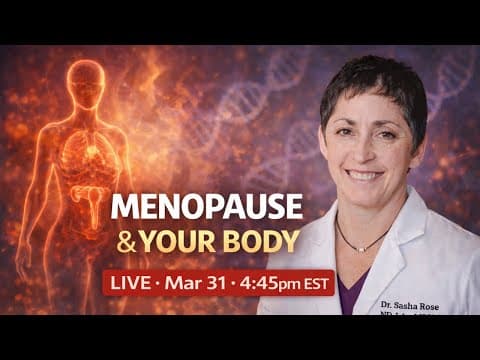
HRT vs Natural Menopause Remedies: What the Research Shows

Forbes Health Advisory Board · Naturopathic Doctor · Updated June 10, 2026

Should You Just Push Through Menopause Without Treatment?
Hot flashes that hit you mid-meeting. Night sweats that soak through the sheets. Weight that creeps up no matter what you eat. A mood that swings from anxious to flat to irritable, sometimes all before noon.
And then your doctor tells you this is just a normal part of aging.
It might be common. But that doesn't mean you have to grit your teeth and wait it out. Menopause is a hormonal shift, and hormonal shifts respond to treatment, when the treatment is actually targeted to what's happening in your body. Med Matrix is an HRT clinic offering hormone replacement therapy for Maine women.
The question isn't "should I treat my menopause symptoms?" It's "what approach is going to work best for me?"
What Are the Two Main Paths for Menopause Treatment?
When it comes to menopause treatment, most women in Maine are choosing between two broad categories: hormone replacement therapy (HRT) and natural or lifestyle-based approaches. Both have real evidence behind them. And for many women, the best plan combines elements of both.
Hormone Replacement Therapy (HRT)
HRT works by replenishing the hormones (primarily estrogen and progesterone) that decline during menopause. When those levels drop, your body reacts with the symptoms you're feeling: the hot flashes, the insomnia, the mood changes, the brain fog.
Replacing those hormones brings relief. For many women, it brings significant relief, often within weeks.
There are two main types of HRT:
- Synthetic hormones: Lab-made versions of estrogen and progesterone. These have been used for decades and are effective for symptom management.
- Bioidentical hormones: Derived from plant sources and structurally identical to the hormones your body produces naturally. Many patients prefer bioidentical HRT because it's tailored to their individual hormone levels based on lab results.
HRT can be delivered through creams, patches, tablets, or capsules depending on what works best for the patient.
Natural and Lifestyle Approaches
Not every woman wants or needs HRT. And even those who do benefit from HRT will see better results when they pair it with lifestyle changes.
Natural approaches that have clinical support include:
- Dietary shifts: Increasing phytoestrogen-rich foods (soy, flaxseeds), calcium for bone density, omega-3 fatty acids for inflammation and heart health
- Exercise: A mix of strength training and cardio helps with weight, mood, sleep, and bone density. Strength training is particularly important during menopause because muscle loss accelerates as estrogen drops.
- Stress reduction: Yoga, meditation, and breathing exercises can reduce the frequency and intensity of hot flashes. Chronic stress also raises cortisol, which makes every other menopause symptom worse.
- Herbal supplements: Black cohosh and red clover contain phytoestrogens that some women find helpful for hot flashes and mood. These aren't as potent as HRT, but they can take the edge off for women with milder symptoms.
What the Research Actually Says
HRT got a bad reputation after the Women's Health Initiative study in 2002 suggested links between HRT and increased cancer and heart disease risk. That study caused millions of women to stop or avoid HRT entirely.
In the years since, that data has been re-analyzed and reinterpreted significantly. The risks were overstated, particularly for women who start HRT within 10 years of menopause onset and use bioidentical formulations. More recent research shows that for most women in that window, HRT supports bone density.
The biggest risk of menopause isn't HRT. It's leaving severe hormonal deficiency untreated. Bone loss, cardiovascular decline, cognitive changes, and metabolic dysfunction all accelerate when estrogen drops and nothing replaces it.
That said, HRT isn't right for everyone. Women with certain health histories (specific types of breast cancer, blood clotting disorders) need careful evaluation before starting. This is exactly why testing and personalized protocols matter so much.
Why Testing Has to Come First
One of the biggest mistakes in menopause treatment is prescribing a standard dose of hormones without knowing what the patient's actual levels are. Every woman's hormonal profile is different. A 52-year-old with barely detectable estrogen needs a very different plan than a 47-year-old in early perimenopause whose levels are fluctuating but not yet depleted.
At Med Matrix, menopause treatment starts with advanced lab testing. This includes:
- Estradiol, progesterone, and testosterone levels
- Thyroid panel (full, not just TSH, because thyroid problems mimic and worsen menopause symptoms)
- Cortisol and DHEA (stress hormones that affect everything from sleep to weight)
- Inflammatory markers and metabolic panels
- Vitamin D, B12, iron, and other nutrients that affect energy and mood
The labs tell us what's actually happening. From there, your provider builds a protocol that's specific to your body. Not a generic prescription. A plan.
Does Testosterone Play a Role in Menopause Treatment for Women?
This is one of the most overlooked pieces of menopause care. Most conventional doctors don't test women's testosterone levels. And even when they do, they rarely treat low levels.
Testosterone matters for women. A lot. It supports energy, mental clarity, libido, bone density, and muscle mass. All of those decline during menopause, and low testosterone is often a major contributor.
When women hear "testosterone," they sometimes worry about masculinizing side effects. At appropriate doses (much lower than what's typically associated with testosterone therapy), the treatment is safe and effective for women. Our providers monitor levels closely and adjust dosing based on how you feel and what your labs show.
Why Does Menopause Cause Weight Gain Even When You Eat Right?
If you've been eating the same way you always have and exercising regularly, but the scale keeps climbing, you're not imagining it. Hormonal changes during menopause shift where your body stores fat (hello, belly fat), slow your metabolism, and increase insulin resistance.
Telling a menopausal woman to "eat less and move more" without addressing her hormones is bad advice. It doesn't work because it ignores the underlying problem.
Effective weight management during menopause usually involves:
- Hormone optimization (estrogen, progesterone, testosterone, thyroid)
- Nutrition plans that account for changing metabolic needs
- Strength training to rebuild and maintain muscle mass
- Addressing insulin resistance and inflammation
When the hormonal foundation is in place, the body starts responding to diet and exercise again. Without it, you're fighting a battle you can't win.
How Does Functional Medicine Treat Menopause Differently?
Functional medicine treats menopause differently than conventional care. Instead of handing you a prescription and sending you on your way, a functional approach asks: what's driving these symptoms, and what does your body actually need right now?
That means looking at the full picture. Hormones, yes. But also gut health (which affects estrogen metabolism), nutrient levels, inflammatory markers, thyroid function, and adrenal health. All of these systems interact, and treating one without considering the others leaves gaps.
At Med Matrix in South Portland, our providers spend a full 60 minutes with you at your consultation. Not 15 minutes. Not a rushed conversation while the doctor is already halfway out the door. An actual hour where every lab result gets reviewed, your symptoms get heard, and a plan gets built together.
What Are Your Real Options for Menopause Relief?
Menopause isn't something to just survive. With the right testing, the right provider, and a plan built around your specific body, most women feel dramatically better. More energy. Better sleep. Stable mood. Clearer thinking. Weight that actually responds to effort.
If you're in Maine or New Hampshire and you've been told to just deal with your symptoms, or if you've been prescribed something without anyone actually testing your hormone levels, it's worth a second look. A free discovery call with our team takes about 15 minutes. We'll talk through what you're experiencing and whether our approach makes sense for you. No obligation. Just an honest conversation.