
Our Podcast and Blog: Functional Medicine Education for Patients

IFM Certified Practitioner · Yale MMSc · Updated June 22, 2026
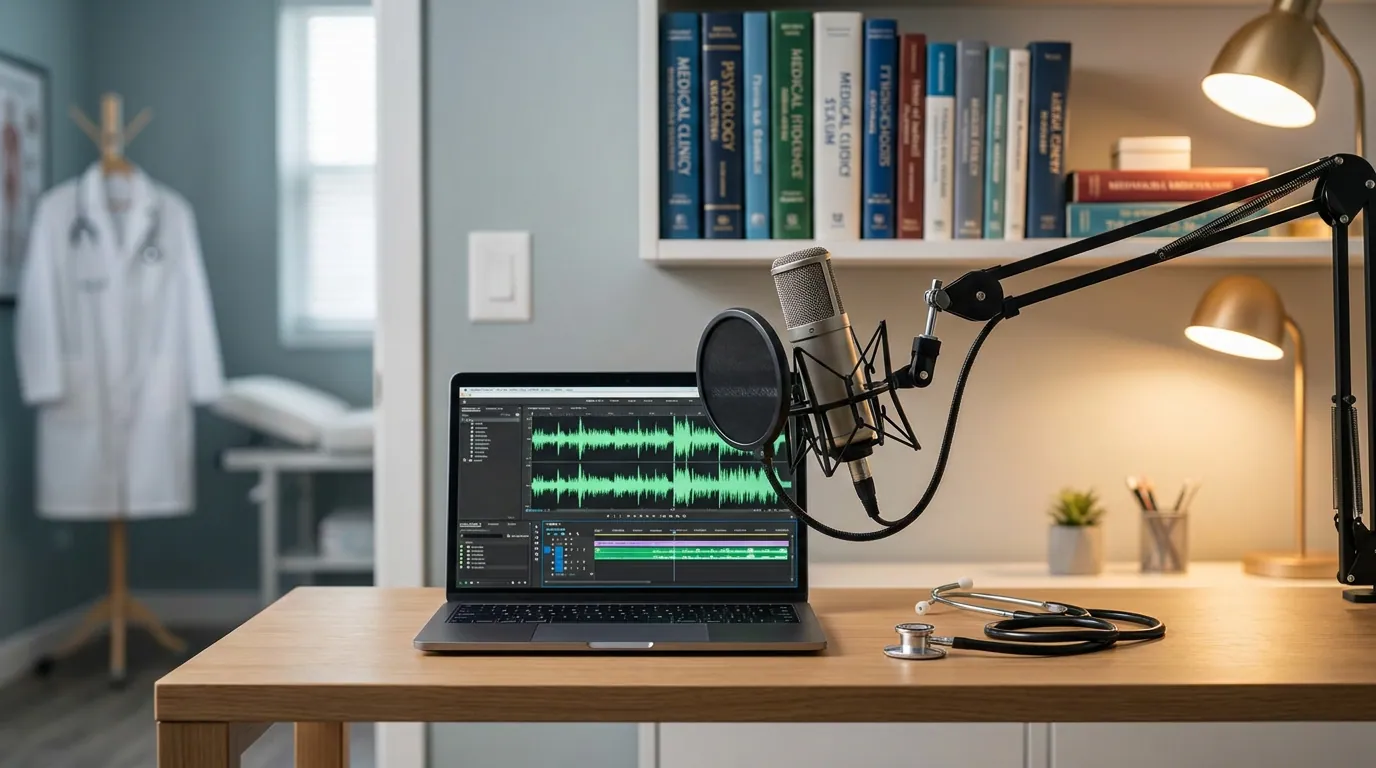
Most people meet functional medicine in the middle of being frustrated. The labs came back "normal." The fatigue did not. You walked out of a fifteen-minute visit with a shrug and a follow-up in a year.
So you start reading. You start listening. You try to figure out what is actually going on with your body before you hand it to one more provider who barely looked up from the screen.
That is exactly why we publish. We built a podcast and a blog so you can learn how this works in plain language, on your own time, before you ever pick up the phone. No pressure. No sales pitch. Just the explanations we wish more patients got from the start.
Why We Put So Much Online for Free
An informed patient is a better patient. When you understand what a thyroid panel measures or why fasting insulin matters, your appointment stops being a lecture and becomes a conversation.
We are a functional medicine clinic in South Portland, Maine. We have served more than 3,000 patients with a team of 7 providers, and we hold a 4.8 star rating across 190+ Google reviews. But none of that tells you whether our approach to functional medicine is right for you. The content does.
So we explain things the way we would explain them across the desk. What the markers mean. What we look for. Where conventional ranges fall short. The goal is simple. Learn first, decide second.
What the Podcast Covers
The podcast is a growing library of more than 35 episodes. Each one takes a single topic and breaks it down the way you would actually want it explained, without the jargon and without the fear.
Our providers host the conversations. You will hear from people like Dr. Sasha Rose, Dr. Paul Laband, Colin Renaud, PA-C, Collin Dees, PA-C, and Gabriel Rocha, PA-C. Real clinicians, talking through real patterns we see every week.
Episodes tend to cover the same ground that brings people to us in the first place. Hormones and what shifts as you age. Gut health and why digestion drives so much more than digestion. Stubborn fatigue. Thyroid and adrenal patterns. Weight that will not move no matter what you try.
If you want to meet the voices behind the episodes before you listen, you can read the full provider bios here.
What the Blog Covers
The blog runs deeper. With more than 75 articles, it is the written companion to the podcast, organized so you can find the topic that fits your situation instead of scrolling endlessly.
Some articles explain a single test. Others walk through a whole condition from symptoms to root cause to what treatment actually looks like. Many answer the exact question patients ask us during a discovery call, written down so you can read it at 11pm when the worry shows up.
We write the way we talk. Short sections. Plain words. No hype. If a claim needs a caveat, we give it the caveat.
Find Content by Condition
Both the podcast and the blog are organized around the things people actually struggle with. That makes it easy to start with what is bothering you and branch out from there. Here is how the topics map to the work we do.
Hormones
This is one of our biggest content areas, and we keep it carefully separated. For men, episodes and articles cover low testosterone and how we approach testosterone replacement therapy and broader men's health. For women, we cover the perimenopause and menopause transition, what changes in your 30s and 40s, and how we think about hormone replacement therapy and women's health overall.
If you are not sure where your symptoms fit, our content on hormone imbalance is a good starting point. It explains how hormones interact across the whole system instead of treating each number in isolation.
Gut Health
Bloating, irregular digestion, food reactions, and that vague sense that something you eat is working against you. We write about how the gut connects to energy, mood, skin, and inflammation, and why fixing it often improves things that seem unrelated.
Fatigue and Sleep
Tired all the time and out of answers. Our content on fatigue digs into the patterns conventional labs miss, and our articles on sleep issues cover why rest breaks down and what to actually do about it. We connect both back to thyroid and adrenal function, since that is so often where the trail leads.
Weight Loss
This is one of the most searched topics we publish on. Episodes and articles explain how medications like semaglutide and tirzepatide work, what the standard titration looks like, and how we combine them with testing and accountability. Start with semaglutide for weight loss or our broader take on medical weight loss.
Longevity and Performance
For people who feel fine but want to feel better, we cover healthy aging, peptide therapy, and how advanced testing reveals patterns long before they become problems. This is prevention content, written for people who would rather get ahead of things than react to them.
How the Content Connects to a Real Visit
Reading and listening can take you far. At some point, though, general information has to meet your specific biology, and that is where testing comes in.
When you become a patient, we run an 80+ biomarker blood panel and a full body composition scan, then sit with you for a 60-minute provider consultation to go through every result. The articles explain what those markers mean in general. The consultation tells you what they mean for you.
That is the line we try to keep honest in everything we publish. The content educates. It does not diagnose. A blog post can tell you what low ferritin often does to energy. Only your own labs and a provider can tell you whether that is your story.
New-patient onboarding runs $1,500 all-in for the panel, the scan, and that first long consultation. Follow-up visits are $275. New patients also get a $100 voucher. We put the numbers in writing so there are no surprises later.
How to Use the Library Before You Book
You do not have to read everything. Start with the topic that is keeping you up at night and follow the threads from there.
- Pick the condition that matches your main complaint and read that article first.
- Listen to the podcast episode on the same topic for the conversational version.
- Notice which provider's explanations make sense to you, then read their bio.
- Write down the questions that come up so your discovery call is focused.
- Come in already knowing what you want to test and why.
Patients who do this tend to get more out of their first visit. They are not starting from zero. They already speak the language, so we can spend the hour on their plan instead of the basics.
Beyond the Common Topics
The library reaches further than the headline conditions. If your situation is more specific, there is a good chance we have written about it.
We cover complex, lingering issues like Lyme disease and long haul COVID, where conventional care often runs out of road. We cover autoimmune conditions from a root-cause angle, plus joint pain and arthritis. We also write about skin and aesthetics through our med spa services, including acne and fine lines and wrinkles.
Some of our content covers supportive therapies we use under provider oversight, like IV nutrition, NAD, and ozone. We are careful with that language on purpose. These are described as adjuncts that support the body during a broader plan, not as cures for any disease. If an article ever makes a claim that sounds too clean, that is a sign to be skeptical, and we try never to be that article.
Frequently Asked Questions
Do I have to be a patient to read or listen?
No. Everything is free and open. We would rather you learn first and decide whether we are the right fit second. Plenty of people read for months before they ever reach out, and that is fine with us.
Is the content medical advice?
No. It is education. The articles and episodes explain how things work in general terms. They cannot account for your specific labs, history, or medications. For that, you need testing and a provider, which is what the 60-minute consultation is for.
How often do you publish?
Regularly. The blog has grown past 75 articles and the podcast past 35 episodes, and both keep expanding as new questions come up from patients and as the science moves. If a topic is missing today, it may well be there in a few weeks.
Where do I start if I feel completely overwhelmed?
Start with our overview of functional medicine, then read the one condition article that fits your main symptom. Two pieces is enough to get oriented. You do not need to consume the whole library before you talk to someone.
Can the content tell me what is wrong with me?
It can help you ask sharper questions, but it cannot diagnose you. Two people with identical symptoms often have very different lab patterns underneath. The only way to know yours is to test, which is exactly why we pair the free content with real evaluation.
Start Feeling Like Yourself Again
Read the articles. Listen to the episodes. Take your time. And when you are ready to turn general knowledge into a plan built around your own biology, we are here in South Portland and serving patients across Maine and southern New Hampshire. Your first step is a free discovery call, with a response in under 5 minutes during the day. Start feeling like yourself again here.