
Functional Medicine
Hormone Balance & HRT
Fatigue, weight gain, brain fog, mood swings, low libido. These aren't just 'part of getting older.' They're signs your hormones are off. We test the full panel, find the imbalance, and build a protocol that brings you back to baseline.

On This Page
- 01Why Hormone Imbalance Gets Missed for Years
- 02How Med Matrix Approaches Hormone Optimization
- 03What Causes Hormone Imbalance?
- 04What Does a Hormone Imbalance Test Include?
- 05How Do You Fix a Hormone Imbalance?
- 06Can You Balance Your Hormones Naturally?
- 07Common Symptoms We See
- 08How It Works
- 09Real Patients, Real Results
- 10What We Test for This Condition
- 11Frequently Asked Questions
On This Page
- 01Why Hormone Imbalance Gets Missed for Years
- 02How Med Matrix Approaches Hormone Optimization
- 03What Causes Hormone Imbalance?
- 04What Does a Hormone Imbalance Test Include?
- 05How Do You Fix a Hormone Imbalance?
- 06Can You Balance Your Hormones Naturally?
- 07Common Symptoms We See
- 08How It Works
- 09Real Patients, Real Results
- 10What We Test for This Condition
- 11Frequently Asked Questions
Why Hormone Imbalance Gets Missed for Years
Hormones don't crash overnight. They shift gradually, over months and years. You don't wake up one morning feeling terrible. You slowly forget what feeling good was like. The energy fades. Sleep gets worse. The weight creeps on. Your mood flattens. And at some point, you realize this isn't who you used to be.
Most people in this situation go to their doctor. And most of the time, they get one of three responses: "Your labs look normal." "This is just aging." "Let's try an antidepressant."
The problem is that conventional medicine relies on limited lab testing, checking a narrow set of markers against wide population-based reference ranges. Your doctor might run a TSH for your thyroid and call it done. They might check your total testosterone but not your free testosterone, estrogen, cortisol, or DHEA. They're comparing you to averages across millions of people, not to what's actually optimal for your body. So you can be deeply suboptimal and still get a "normal" result on paper.
For women, perimenopause can start as early as 35. Symptoms can build for 10 to 15 years before a doctor looks at the blood work and says, "Oh, you're menopausal." That's a decade of fatigue, brain fog, weight gain, and mood swings with no answers. For men, testosterone drops 1 to 2 percent per year after age 30 to 35. By your mid-40s, you could be at half your baseline and your doctor will still say you're within range.
This isn't a gap in your doctor's ability. It's a gap in the system. Insurance-based medicine wasn't designed to help you feel optimal. It was designed to catch you when you're sick enough to need treatment. That middle ground, where you feel terrible but your labs say "normal," is where millions of people get stuck. Functional medicine fills that gap.
Inside Med Matrix
Everything Under One Roof
Advanced testing, personalized protocols, and real results from a team that treats the whole picture.

How Med Matrix Approaches Hormone Optimization
We treat hormones as a connected system, not a collection of isolated numbers.
Your thyroid, adrenal glands, and sex hormones (ovaries in women, testes in men) form a triangle. They influence each other constantly. Chronic stress raises cortisol, which affects your thyroid and sex hormones. Estrogen and testosterone compete with each other. Thyroid dysfunction changes how your body processes everything else. Conventional medicine treats these as separate silos. We treat them as one system.
What we test on your first visit:
- Full thyroid panel (TSH, free T3, free T4, reverse T3, thyroid antibodies)
- Sex hormones (estrogen, progesterone, testosterone, DHEA, prolactin)
- Adrenal and stress markers (cortisol)
- Metabolic health (fasting insulin, glucose, HbA1c)
- Inflammatory markers (CRP, ESR)
- Nutrient levels (vitamin D, B12, ferritin, magnesium, zinc)
- Body composition via InBody 770 scan
- Not sure which of these applies to you?Talk it through on a free call with a patient coordinator.
That's roughly 80 biomarkers from a single round of lab testing. More data than most people get in years of conventional care.
When hormone replacement therapy is appropriate, we use bioidentical hormones. These are chemically identical to the hormones your body makes naturally, sourced from wild yam or soy. The safety profile is better than synthetic hormones, and we can adjust the dose and combination precisely for each patient. For women, that means customizing the exact type and strength of estrogen, progesterone, and testosterone. For men, testosterone replacement therapy means finding the right dose while monitoring estrogen levels and addressing everything else that affects hormone function.
We also use the Dutch test (dried urine test for hormones) when deeper insight is needed. This measures hormone metabolites, showing what's happening at the tissue and receptor level, not just what's floating in your blood. It's considered the gold standard for managing ongoing HRT.
Beyond hormones, your plan may include peptide therapy, IV nutrient therapy, dietary changes, stress management strategies, or targeted supplements. The goal of your treatment plan is to support your body's entire endocrine system, not just replace one hormone and hope for the best.
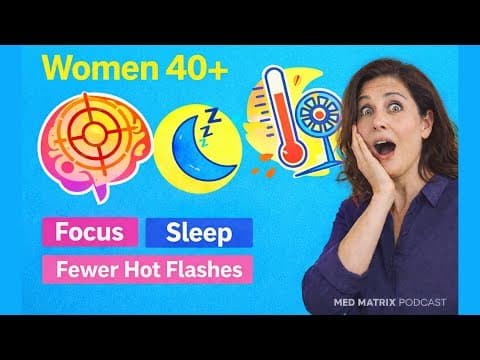
“These glands have a complex relationship with each other. In conventional medicine there's this idea that the thyroid is off on an island, the adrenal glands are off by themselves, and the ovaries are separate. All of these hormones are in the blood together.”
Dr. Rose: The Hormonal Triangle
Watch at 19:00 →What Causes Hormone Imbalance?
Hormones don't fail in isolation. They decline as part of a connected system, and the triggers are both predictable and testable.
- Age-related decline. Testosterone drops 1 to 2 percent per year in men starting around age 30 to 35. Women's progesterone begins declining in the mid-30s, often a full decade before menopause. Estrogen follows. These shifts are gradual enough that you don't notice a single moment when things changed. You just slowly forget what normal energy, sleep, and mood felt like.
- Chronic stress. Cortisol and sex hormones compete for the same building blocks (pregnenolone). When your body is under sustained stress, it prioritizes cortisol production at the expense of testosterone, progesterone, and DHEA. This is called the "pregnenolone steal," and it explains why high-stress patients often have tanked sex hormones even in their 30s.
- Gut dysfunction. Your gut metabolizes and clears estrogen through a set of bacteria called the estrobolome. When the gut microbiome is disrupted, estrogen recirculates instead of being eliminated. This creates estrogen dominance: too much estrogen relative to progesterone. Symptoms include weight gain, bloating, heavy periods, mood swings, and increased breast tenderness. Fixing the gut often rebalances estrogen without direct hormone intervention.
- Insulin resistance. Elevated insulin drives the ovaries to produce more testosterone (contributing to PCOS in women) and increases aromatase activity in men (converting testosterone to estrogen). Metabolic dysfunction and hormone imbalance feed each other. You can't fix one without addressing the other.
Nutrient deficiencies. Vitamin D, zinc, magnesium, B6, and selenium are all cofactors in hormone production and metabolism. Deficiency in any of them impairs the entire system. Most people in Maine are low in at least two of these. Read more about early signs of hormonal shifts that conventional doctors often dismiss.
What Does a Hormone Imbalance Test Include?
A hormone test at your regular doctor's office typically checks one or two markers. Total testosterone for men. Maybe TSH and estradiol for women. That's it.
Our panel tests the full network. We check sex hormones (estrogen, progesterone, testosterone, DHEA, prolactin), thyroid function (TSH, free T3, free T4, reverse T3, antibodies), adrenal output (cortisol), metabolic health (fasting insulin, glucose, HbA1c), inflammatory markers (CRP, ESR), and the nutrients that drive hormone production (vitamin D, B12, ferritin, magnesium, zinc). That's roughly 80 biomarkers from a single blood draw.
For patients already on hormone replacement, or those with complex hormonal patterns, we also use the Dutch test. This is a dried urine panel that measures hormone metabolites, showing how your body processes and uses hormones at the tissue level. It's the difference between knowing what's in your blood and knowing what's actually reaching your cells.
Testing is paired with an InBody 770 body composition scan. Hormones directly affect where your body stores fat, how much muscle you maintain, and how your body distributes water. The scan gives us a measurable baseline we track over time.
Your results are reviewed by your provider (Dr. Sasha Rose or Sophia Viner for most hormone cases) during a full 60-minute consultation. Not a 15-minute appointment. Not a phone call from a nurse with a vague summary. A full hour going through every result, explaining what's off, and building your personalized protocol. Learn about our full testing approach.

How Do You Fix a Hormone Imbalance?
Fixing a hormone imbalance follows a clear order: test the full system, find the root cause, then correct it directly. A single lab value can't tell you why you feel off, so the first step is measuring sex hormones, thyroid, cortisol, insulin, and the nutrients that drive hormone production together.
Once the pattern is clear, the fix is targeted rather than generic. That might mean correcting a vitamin D, zinc, or magnesium deficiency, lowering the chronic stress that steals building blocks from sex hormone production, improving gut and insulin health, or using bioidentical hormone replacement when testing confirms a true deficiency. Because hormones influence each other, the goal is to support the whole endocrine system, not replace one hormone and hope the rest follows.
Progress is tracked over time. Labs are rechecked and the plan is adjusted based on both your numbers and how you actually feel. See how our full testing panel maps the whole picture before any treatment begins.
- Testosterone (Total + Free)Drives energy, muscle mass, libido, and mental clarity in both men and women. Often dismissed in women and undertested in younger men.
- Full Thyroid PanelTSH, free T3, free T4, reverse T3, and antibodies. Thyroid and sex hormones are interconnected. You can't optimize one without the other.
- CortisolChronically elevated cortisol steals building blocks from sex hormone production and suppresses thyroid function.
- Fasting InsulinElevated insulin drives abnormal hormone production (PCOS in women, estrogen conversion in men).
Can You Balance Your Hormones Naturally?
Often, yes, at least in part. Many hormone imbalances are driven by factors you can influence directly: chronic stress, poor sleep, gut dysfunction, insulin resistance, and nutrient deficiencies. Addressing these can rebalance hormones before, or alongside, any prescription.
Chronic stress raises cortisol, which pulls building blocks away from sex hormone production, so sleep and stress management matter more than most people expect. Your gut clears excess estrogen through the estrobolome, so improving gut health can ease estrogen dominance. And because vitamin D, zinc, magnesium, and B6 are cofactors in hormone production, correcting those deficiencies supports the entire system.
Natural strategies work best when they're guided by data instead of guesswork. If lifestyle and nutrient support aren't enough on their own, that's when a personalized medical plan through functional medicine can close the gap.
Common Symptoms We See
- Persistent fatigue that sleep doesn't fix
- Unexplained weight gain, especially around the midsection
- Low libido or loss of interest in intimacy
- Mood swings, irritability, or anxiety without clear cause
- Brain fog, forgetfulness, or difficulty focusing
- Night sweats or hot flashes
- Difficulty building or maintaining muscle
- Hair thinning or loss
- Feeling like a different person than you were five years ago
- Sleep disruption that started in your 30s or 40s
- Depression that doesn't respond to antidepressants
The Med Matrix Process
How It Works
Your path to feeling like yourself again, step by step.
Discovery Call
Free consultation
Biomarker Test
80+ markers
Team Review
Full analysis
Consultation
60 minutes
Ongoing Support
Continuous care
Free Discovery Call
- Talk with our patient coordinator about your goals, symptoms, and concerns
- Understand your options and what to expect
- Get matched with the right provider for your needs
Result: A clear next step personalized to your situation, with no pressure or commitment.
80+ Biomarker Test & Full Body Scan
- Comprehensive panel of 80+ lab markers
- Full body composition scan
- In-depth health questionnaires
Result: A complete picture of your health, so nothing gets missed.
Medical Team Reviews Everything
- Providers review your labs, medical history, and questionnaires
- Cross-reference symptoms with biomarker patterns
- Identify root causes, not just surface symptoms
Result: A personalized treatment plan built from real data, not guesswork.
60-Minute Provider Consultation
- Sit down with your provider for a full hour
- Go over every result in detail
- Build your personalized plan together
Result: You leave with a clear understanding of what is happening and exactly what to do about it.
Ongoing Support & Progress
- Continued monitoring of your labs and markers
- Adjustments to your plan as your body responds
- Direct access to your care team
Result: Real, measurable progress you can feel and see in your numbers.
Real Patients, Real Results
Cat spent three years bouncing between her PCP and OB while menopausal symptoms wrecked her quality of life. They kept increasing her estrogen, which made things worse. Blood testing at Med Matrix revealed she needed progesterone and testosterone, too, plus had significant inflammation. Within six months, her weight stabilized, anxiety resolved (without medication), sleep improved, and her moods evened out. She says she got herself back.
Ryan, 45, noticed his energy, focus, and muscle mass declining for two years. His primary care said his testosterone was still in the acceptable range. At Med Matrix, we found it had dropped to half his personal baseline, plus multiple other deficiencies. Within four weeks of starting his protocol, his afternoon energy crash was gone and his cognitive clarity improved so much that his work performance changed.
Caleb came in with tanked testosterone, chronic pain, and no energy. After three months, his surgeon was so impressed by how fast he recovered from rotator cuff surgery that he filmed Caleb's range of motion at the six-week post-op visit.
Over 3,000 patients have come through Med Matrix. 4.8 stars across 190+ Google reviews. Our providers work together, not constrained by insurance. If your doctor has told you there's nothing wrong but you know something is off, you're exactly who we built this practice for.

“I was so anxious that I was really looking at getting on an anxiety medication, and then I know now that that was a function of my hormones. I don't feel like that anymore. I feel great.”
Cat: Anxiety Resolved Through Hormone Balance
Watch at 1:45 →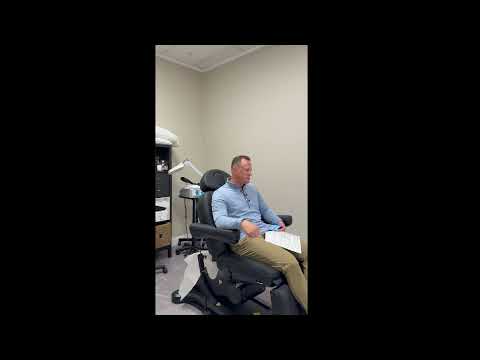
“My old level was really probably closer to my baseline. And if you take that and cut it in half, even though my half was still in what medical professionals say is an acceptable range, that's not necessarily what's acceptable for my body.”
Ryan: Why 'Normal Range' Wasn't Normal for Him
Watch at 2:35 →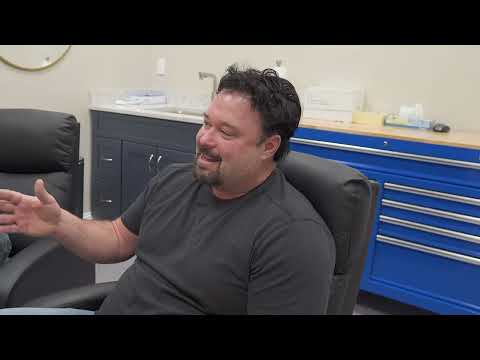
“I wake up and not feel that, you're like, 'Wow.' My quality of life is completely different.”
Caleb: Quality of Life Completely Changed
Watch at 4:10 →“These glands have a complex relationship with each other. In conventional medicine there's this idea that the thyroid is off on an island, the adrenal glands are off by themselves, and the ovaries are separate. All of these hormones are in the blood together.”
Dr. Rose: The Hormonal Triangle
Provider Insight
“I was so anxious that I was really looking at getting on an anxiety medication, and then I know now that that was a function of my hormones. I don't feel like that anymore. I feel great.”
Cat: Anxiety Resolved Through Hormone Balance
Patient Story
“My old level was really probably closer to my baseline. And if you take that and cut it in half, even though my half was still in what medical professionals say is an acceptable range, that's not necessarily what's acceptable for my body.”
Ryan: Why 'Normal Range' Wasn't Normal for Him
Patient Story
“I wake up and not feel that, you're like, 'Wow.' My quality of life is completely different.”
Caleb: Quality of Life Completely Changed
Patient Story
What We Test for This Condition
Estradiol (E2)
The primary estrogen. Too high drives weight gain and mood swings. Too low causes hot flashes, bone loss, and brain fog.
Progesterone
Balances estrogen and supports sleep, mood, and anxiety regulation. First hormone to decline in perimenopause.
Testosterone (Total + Free)
Drives energy, muscle mass, libido, and mental clarity in both men and women. Often dismissed in women and undertested in younger men.
DHEA-S
Precursor to both testosterone and estrogen. Low DHEA signals adrenal depletion and accelerated hormonal aging.
Cortisol
Chronically elevated cortisol steals building blocks from sex hormone production and suppresses thyroid function.
Full Thyroid Panel
TSH, free T3, free T4, reverse T3, and antibodies. Thyroid and sex hormones are interconnected. You can't optimize one without the other.
Fasting Insulin
Elevated insulin drives abnormal hormone production (PCOS in women, estrogen conversion in men).
SHBG
Sex hormone binding globulin. Determines how much testosterone and estrogen is actually available to your tissues.
Vitamin D (25-OH)
Functions as a hormone itself. Deficiency impairs mood, immune function, and overall hormone signaling.
From Our Podcast
Our providers answer common questions about this condition on the Med Matrix Method podcast.
Low Testosterone in Women: Why Your Total Testosterone Number Is Misleading
- Q:How do testosterone, estrogen, and thyroid interact as a system?
- Q:What's the difference between 'normal range' and optimal?
Estrogen Dominance Symptoms: How Your Gut Controls PMS, Acne, and Belly Fat
- Q:How does gut health affect estrogen levels?
- Q:What is the estrobolome and why does it matter for hormone balance?
Does Hormone Replacement Therapy Cause Cancer? The Myth, the History, and What Women Should Know
- Q:What is bioidentical hormone replacement therapy?
- Q:How are hormone protocols customized for each patient?
Who Treats This Condition
These providers specialize in this area and review every patient's case personally.


Free Resource
Get Your Free Practice Guide
Includes a $100 voucher toward your first visit
Everything you need to make an informed decision: pricing, testing catalog, process timeline, provider bios, and real patient stories. No commitment required.

Free Practice Guide + $100 Voucher
Everything you need before your first visit
STEP 1 OF 3
Enter your email to get instant access
We only accept a limited number of patients per week
EXPLORE
Related Content
Articles, patient stories, and podcast episodes about hormone balance & hrt.



FAQ
Hormone Balance & HRT FAQ
We test a full panel including thyroid (TSH, free T3, free T4, reverse T3, antibodies), sex hormones (estrogen, progesterone, testosterone, DHEA, prolactin), cortisol, and related metabolic markers. When needed, we also use the Dutch test, a dried urine panel that measures hormone metabolites at the tissue level. This shows us how your body is processing and using hormones, not just what's circulating in your blood.
Bioidentical hormones are chemically identical to the hormones your body produces. They're sourced from plants (wild yam or soy) and have a better safety profile than synthetic versions. Synthetic hormones are similar but not identical, and they can't be dose-adjusted as precisely. We use bioidentical exclusively because we can customize the type, form, and dose for each patient. Topical or transdermal delivery is preferred over oral for estrogen because it reduces blood clot risk.
Initial onboarding runs $1,500 all-in, covering labs, body composition scan, provider prep, and your one-hour provider visit. Follow-up visits are $275. Hormone therapy typically costs $70 to $200 per month depending on your protocol. Supplements run $20 to $100 per month. We accept HSA, FSA, CareCredit, and all major cards. New patients receive a $100 voucher toward their first visit.
For most patients, hormone replacement is a long-term commitment. Your body's hormone production naturally declines with age, and supplementing externally reduces your body's own production over time. That said, the goal is to help you feel and function at your best for as long as possible. Many patients find that once they experience the difference, the commitment is easy to maintain. Your provider will walk you through what to expect based on your specific situation.
Bioidentical hormone replacement therapy has a strong safety profile when prescribed and monitored properly. A large 2023 study (the Traverse Trial) showed testosterone replacement did not increase risk of heart attacks or strokes in men. For women, transdermal estrogen delivery is preferred because it reduces blood clot risk compared to oral forms. We monitor labs regularly (at 10 weeks, then quarterly) and adjust dosing based on both your numbers and how you feel. Ongoing monitoring is key.
No. Perimenopause can start as early as 35, and testosterone decline in men begins in the early 30s. You don't need an extreme lab result to benefit from optimization. If you're dealing with fatigue, brain fog, weight changes, low motivation, poor sleep, or mood shifts, your hormones may be suboptimal even if a conventional doctor called them normal. We look at what's optimal for you, not just what falls within a population reference range.
Common signs include persistent fatigue that sleep doesn't fix, unexplained weight gain around the midsection, low libido, mood swings or unexplained anxiety, brain fog, night sweats, difficulty building muscle, and hair thinning. In both men and women these symptoms build gradually, so they get written off as normal aging. If several apply to you, full-panel testing can show whether your hormones are actually the cause instead of guessing.
It starts with testing the full network rather than one or two markers. We check sex hormones, thyroid, cortisol, insulin, and the nutrients that drive hormone production, then identify the root cause. From there your plan may include correcting nutrient deficiencies, addressing stress, gut, or insulin issues, and bioidentical hormone replacement when testing confirms it's appropriate. Levels are rechecked over time and the plan is adjusted based on both your labs and how you feel.
There's no single best treatment, because the right approach depends on what is actually driving the imbalance. For some people it's a thyroid or nutrient issue that resolves without hormone therapy. For others, bioidentical hormone replacement is the most effective option once testing confirms a true deficiency. The best treatment is the one matched to your specific labs, symptoms, and goals, which is why we test the full panel first and personalize from there.
No single pill balances every hormone, and any product marketed that way is worth approaching with caution. Hormones work as a connected system, so lasting results come from finding the specific imbalance and correcting it directly. Depending on your results, that might mean targeted supplements for a nutrient deficiency, lifestyle changes, or bioidentical hormone therapy, not a one-size-fits-all product.
Related Services to Hormone Balance & HRT

Your Health, Your Terms
Start Feeling Like Yourself Again
Get your free practice guide and a $100 voucher toward your first visit. No commitment, no pressure.